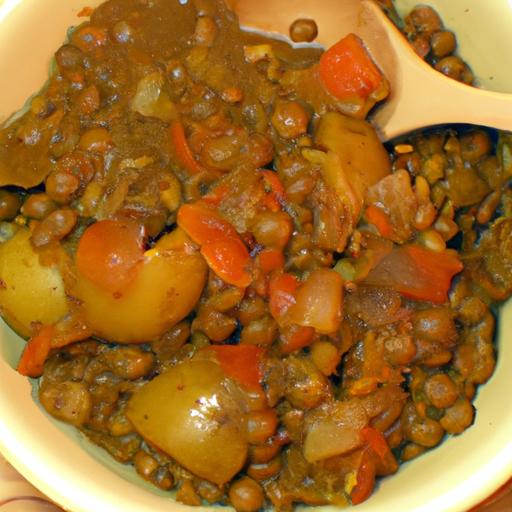

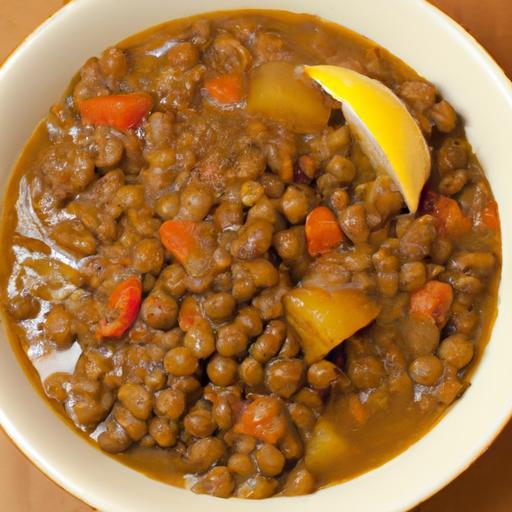
In the vibrant tapestry of Ethiopian cuisine, few dishes capture the essence of tradition and comfort quite like a hearty lentil stew. This flavorful dish, rich with aromatic spices and tender lentils, has nourished families for generations, offering not just sustenance but a connection to a deeply rooted cultural heritage. Whether simmered slowly over an open flame or served alongside injera bread at a festive gathering, Ethiopian lentil stew invites you on a sensory journey-one where every spoonful tells a story of warmth, resilience, and timeless culinary artistry. Join us as we explore the origins, ingredients, and irresistible flavors of this beloved traditional delight.
Hearty Ethiopian Lentil Stew is one of those soul-satisfying dishes that instantly transports you to a vibrant table filled with rich aromas,deep traditions,and unforgettable flavors. Originating from the heart of Ethiopian cuisine, this beloved stew captures the essence of communal dining and the ancient art of spice blending. Whether it’s a family feast or a cozy dinner, each simmered lentil bursts forth with warmth and history, enticing every palate.
Prep and Cook Time
Preparation: 15 minutes
Cooking: 45 minutes
Total Time: 1 hour
Yield
Serves 4 generously
Difficulty Level
Medium - perfect for adventurous home cooks who enjoy layering flavors step by step
Ingredients
- 1 cup red lentils,rinsed and drained
- 2 tablespoons berbere spice blend - yoru key to authentic Ethiopian flavor
- 1 large yellow onion, finely chopped
- 3 cloves garlic, minced
- 1 tablespoon fresh ginger, grated
- 2 medium ripe tomatoes, diced
- 3 tablespoons niter kibbeh (Ethiopian spiced clarified butter) or unsalted butter
- 4 cups vegetable broth or water
- Salt to taste
- Fresh cilantro or parsley for garnish
- Optional: a squeeze of fresh lemon juice to brighten flavors
Step by Step Guide to Perfectly Simmered Lentils Every time
- Heat the niter kibbeh in a heavy-bottomed pot over medium heat until melted and fragrant.
- Add the chopped onion and sauté until golden brown, about 8 minutes, stirring regularly to avoid burning.
- Stir in minced garlic and grated ginger, cooking for another 2 minutes until aromatic.
- Sprinkle the berbere spice evenly over the onion mixture,stirring so the spices toast lightly but don’t burn – about 1 minute.
- Add diced tomatoes and cook down until they become soft and saucy, roughly 5 minutes.
- Pour in the rinsed lentils and stir well to coat them in the spice-tomato base.
- Pour the vegetable broth into the pot and bring everything to a gentle boil.
- Reduce heat to low, cover partially, and let the lentils simmer briskly for 35-40 minutes, stirring occasionally. Lentils shoudl be tender but intact.
- Season with salt to taste, and if desired, a squeeze of fresh lemon juice to add brightness before serving.
Chef’s Notes
- Berbere spice: If making at home, combine chili peppers, garlic powder, fenugreek, ginger, basil, and cardamom for an authentic blend.
- Substitutions: Use ghee or regular butter if niter kibbeh isn’t available; a touch of smoked paprika adds a smoky depth.
- Consistency: For a thicker stew, mash a few cooked lentils against the pot sides then stir.
- Make-ahead: This stew tastes even better the next day as flavors meld-store in the fridge for up to 3 days.
- Vegan version: Simply swap niter kibbeh for olive oil and check your berbere blend for animal products.
Serving Suggestions to Elevate Your Ethiopian Feast
Present this hearty Ethiopian lentil stew with traditional injera flatbread, which serves as both plate and utensil. Garnish the stew with fresh cilantro and a few wedges of lemon on the side.For a colorful Ethiopian-inspired spread, accompany with sautéed collard greens, spiced cabbage, or a crisp tomato salad. A dollop of plain yogurt or vegan cashew cream can provide a cooling contrast to the vibrant warmth of the berbere.

| Nutrient | Per Serving |
|---|---|
| Calories | 280 kcal |
| Protein | 18 g |
| carbohydrates | 40 g |
| Fat | 7 g |
Q&A
Q&A: Exploring the Hearty Ethiopian Lentil Stew – A Flavorful Traditional Delight
Q1: What makes Ethiopian lentil stew so unique compared to othre lentil dishes?
A1: Ethiopian lentil stew, often known as misir wot, stands out due to its robust blend of spices and slow-cooked depth. The key ingredient, berbere spice-a lively mixture of chili peppers, garlic, ginger, and aromatic seeds-creates a warming, complex flavor profile that’s both spicy and deeply satisfying.unlike simpler lentil soups, this stew is thick, richly textured, and brims with Ethiopian culinary heritage.
Q2: What are the main ingredients used in this traditional stew?
A2: The heart of the stew is red lentils, which transform into a velvety base when simmered. Onion, garlic, and ginger form the aromatic foundation, sautéed gently to release their flavors. The star is berbere spice, lending heat and earthiness, balanced by a hint of niter kibbeh-a clarified butter infused with aromatic herbs and spices. Tomato paste often adds subtle acidity and depth.
Q3: Can this dish be made vegan or vegetarian-friendly?
A3: Absolutely! Ethiopian lentil stew is traditionally vegan, made without meat or dairy (except the optional niter kibbeh, which can be substituted with vegetable oil).It’s a nourishing, plant-based meal that’s naturally rich in protein, fiber, and flavor-perfect for vegetarians, vegans, and anyone seeking a wholesome, comforting dish.Q4: How is this stew traditionally served?
A4: Misir wot is typically served atop injera, a spongy sourdough flatbread made from teff flour. Injera doubles as both plate and utensil,with diners tearing off pieces to scoop up the stew in a communal,celebratory style. This combination creates a harmonious balance-the tang of the injera complements the spice and richness of the lentils.
Q5: What cultural significance dose Ethiopian lentil stew hold?
A5: Beyond its delicious taste,this stew embodies Ethiopian hospitality and tradition. it’s a staple in daily meals, ceremonial feasts, and fasting periods, reflecting the contry’s rich culinary artistry and communal eating style. Sharing misir wot fosters connection and celebrates Ethiopia’s agricultural heritage, symbolizing warmth and togetherness.
Q6: How can someone experiment with this dish at home?
A6: start by mastering the spice blend-if you can’t find authentic berbere,try blending paprika,cayenne,fenugreek,cardamom,and cinnamon to approximate its complexity. Slowly sauté onions and garlic to coax out sweetness, then simmer lentils gently for perfect texture. Serve with crusty bread or rice if injera isn’t available, and don’t hesitate to tweak the heat to your liking. Each pot invites your own personal twist!
Q7: Why should food lovers add Ethiopian lentil stew to their recipe repertoire?
A7: This stew is a party of flavor, history, and nourishment all in one bowl. It offers a delightful departure from everyday lentil recipes by introducing bold spices and cultural richness. Whether seeking comfort food, plant-based nutrition, or culinary adventure, Ethiopian lentil stew promises a hearty, soul-warming experience that connects you to a vibrant tradition.
Key Takeaways
As the rich aroma of Ethiopian lentil stew lingers in the air, it invites us to savor more than just a meal-it offers a taste of tradition, culture, and warmth in every spoonful. This hearty dish, woven with vibrant spices and wholesome ingredients, stands as a flavorful testament to Ethiopia’s culinary heritage. Whether enjoyed on a chilly evening or as a comforting centerpiece for gatherings, the lentil stew reminds us that food is not only sustenance but a story waiting to be shared. Embrace this traditional delight, and let each bite transport you to the heart of Ethiopia’s vibrant kitchen, where history and flavor come together in perfect harmony.