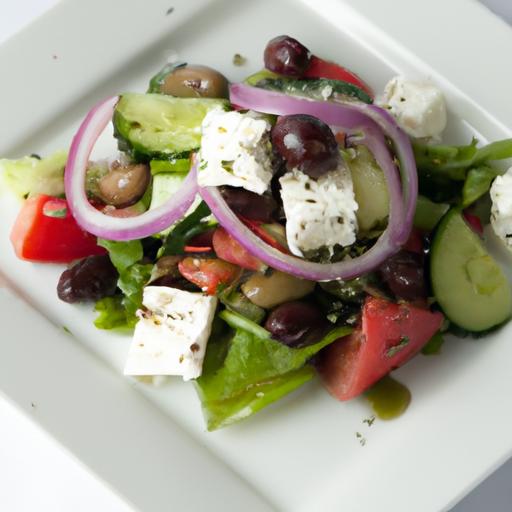

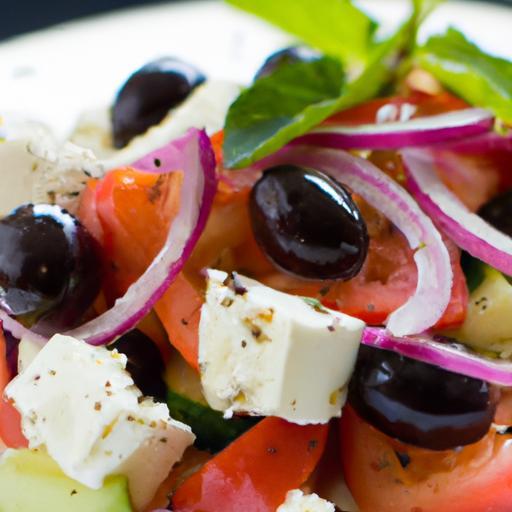
There’s a reason the classic Greek salad has stood the test of time-it’s a vibrant celebration of fresh, sun-ripened ingredients brought together in perfect harmony. Crisp cucumbers, juicy tomatoes, briny olives, and pungent red onions are elevated by the creamy, tangy embrace of feta cheese, creating a dish that’s both simple and stunning. In this article, we’ll dive into the art of mastering the classic Greek salad, exploring tips and techniques to ensure every bite bursts with authentic Mediterranean flavor. Whether your a seasoned chef or a kitchen novice, get ready to refresh your palate and elevate your salad game with this timeless favorite.
fresh and flavorful Greek salad with feta is a celebration of mediterranean simplicity and vibrant flavors-a dish that transports you straight to sunlit Greek tavernas with every bite.The key to nailing this iconic salad lies not just in its well-loved components, but in mastering the art of selecting and balancing fresh ingredients combined with just the right tangy dressing and the distinctive creaminess of feta cheese.
Prep and Cook Time
Readiness: 15 minutes
Cook Time: None (cold salad)
Yield
Serves 4 generously
Difficulty Level
Easy – perfect for beginners and seasoned cooks alike
Ingredients
- 3 large ripe tomatoes, cut into wedges
- 1 medium cucumber, peeled and sliced into half-moons
- 1 small red onion, thinly sliced
- 1 green bell pepper, seeded and sliced into rings
- 1/2 cup Kalamata olives, pitted
- 200g block of authentic Greek feta cheese, cut into thick cubes
- 2 tablespoons extra virgin olive oil
- 1 tablespoon red wine vinegar
- 1 teaspoon dried oregano, preferably Greek
- Freshly cracked black pepper, to taste
- Coarse sea salt, to taste
- Fresh parsley or oregano sprigs for garnish (optional)
Instructions
- Prepare the vegetables: rinse all fresh produce under cold water.Pat dry thoroughly to avoid excess dressing dilution.Cut tomatoes into wedges, peel and slice cucumber, thinly slice red onion, and slice green pepper into rings for varied texture.
- Combine base ingredients: Place tomatoes, cucumber, onion, and green pepper into a large salad bowl. scatter Kalamata olives evenly across the top for that unmistakable briny pop.
- Balance with feta: Gently lay the feta cubes over the salad mixture. the rich, crumbly feta acts as the salty, creamy backbone of your dish and anchors the flavors beautifully.
- Mix the dressing: In a seperate small bowl, whisk together olive oil, red wine vinegar, and dried oregano. Season lightly with sea salt and cracked black pepper. The oregano’s herbal earthiness elevates this tangy dressing perfectly.
- Toss and dress: Drizzle the dressing sparsely over the salad rather than drowning it.Use a large spoon to lift ingredients gently, allowing the dressing to coat every bite without breaking the delicate feta cubes.
- Final touches: Adjust seasoning if needed, then garnish with fresh parsley or oregano sprigs for a burst of color and freshness that will catch the eye.
- Serve instantly: This salad is best enjoyed fresh-luminous, crisp, and perfectly balanaced.
Tips for Success
- Selecting ingredients: for the freshest experience, choose tomatoes that are deeply red and fragrant, cucumbers that are firm with smooth skin, and green peppers that are crisp and glossy.Avoid watery or overly mature produce.
- Feta choice matters: Opt for block feta packed in brine rather than crumbled in a jar-carving out thick slices builds a luscious texture and ensures it doesn’t overpower the salad.
- Dressing technique: Prepare dressing just before serving to maintain a bright, tangy zing; whisk vigorously to emulsify the olive oil and vinegar for a silky finish.
- Make-ahead tip: You can prep the vegetable base a few hours in advance, but add the feta and dressing last to avoid sogginess.
- For a vegan twist: substitute the feta with marinated tofu or cashew cheese seasoned with lemon and sea salt.
Serving Suggestions
Present your Greek salad on a wide, shallow white ceramic bowl or plate for maximum color contrast. Sprinkle freshly chopped herbs over the top to give the dish more depth and visual appeal. Pair elegantly with warm pita bread or grilled vegetables for a Mediterranean feast. For extra crunch, scatter toasted pine nuts or walnuts just before serving.

Nutrition Data per Serving
| Nutrient | Amount |
|---|---|
| Calories | 180 kcal |
| Protein | 6 g |
| carbohydrates | 8 g |
| Fat | 14 g |
For more Mediterranean inspiration, check out our Mediterranean Dressing Recipes collection. Want in-depth history on feta cheese? Explore the official Greek feta cheese site for authoritative details.
Q&A
Q&A: Fresh and flavorful – Mastering the Classic Greek Salad with feta
Q1: What makes a Greek salad truly authentic and different from other salads?
A: An authentic Greek salad is a vibrant symphony of simple, fresh ingredients that celebrate the Earth’s bounty. Unlike salads heavy on greens, the classic Greek salad-known as Horiatiki-features ripe tomatoes, crisp cucumbers, pungent red onions, briny Kalamata olives, and chunky blocks of creamy feta cheese. It’s dressed minimally with high-quality extra virgin olive oil, a splash of red wine vinegar or lemon juice, and sprinkled with dried oregano. The emphasis is on natural flavors, vibrant textures, and rustic charm.
Q2: What type of feta cheese should I use to get that authentic texture and flavor?
A: Opt for a block of customary Greek feta made from sheep’s milk or a blend of sheep and goat milk. This feta has a tangy, creamy profile and crumbles beautifully without turning to mush. Avoid pre-crumbled or overly salty feta varieties, as they ofen lack the fresh, rich character that elevates the salad to its classic glory.
Q3: How can I ensure the vegetables in my Greek salad stay fresh and crisp?
A: Choose vegetables that are in season and as fresh as possible. For a crisp bite, cucumbers should be firm and unblemished, while tomatoes need to be fully ripe but not over-soft. Slice cucumbers thick enough to hold their crunch, and avoid shredding the onions too thin-boldness is a welcome trait here. For an extra touch, soak sliced red onions in cold water for 10 minutes to mellow their sharpness without losing their crunch.
Q4: What is the secret to the perfect dressing for this salad?
A: The magic lies in simplicity and balance. A classic dressing uses extra virgin olive oil as the star, bringing fruity richness and silkiness. Add just a splash of red wine vinegar or lemon juice for acidity to brighten every bite. Sprinkle with dried oregano-a quintessential herb in Greek cuisine-for an earthy, aromatic note. Finish with a pinch of sea salt and freshly cracked black pepper to taste.No need for complicated emulsifiers; the ingredients naturally marry on the plate.
Q5: Can I customize the classic Greek salad without losing its essence?
A: Absolutely-while tradition holds firm, thoughtful tweaks can elevate your experience.Adding a handful of fresh herbs like mint or dill can add an aromatic twist, while incorporating peppery arugula or baby spinach introduces a subtle green undertone. For texture, toasted pine nuts or walnuts provide a delightful crunch. However, the core ingredients and balance of flavors should remain intact to honor the salad’s heritage.
Q6: how do I serve and enjoy the Greek salad for the freshest experience?
A: Serve the salad immediately after assembling to enjoy the crisp textures at their peak. If you’re prepping ahead, keep the dressing separate and toss just before serving. Pair it with warm, crusty bread to sop up the flavorful juices. Whether as a light lunch,a vibrant side dish,or part of a Mediterranean feast,every forkful transports you to sun-drenched Greek shores brimming with rustic charm.
Q7: Why is extra virgin olive oil so critically important in this recipe?
A: Extra virgin olive oil is not just a dressing base-it’s a cornerstone of Mediterranean flavor and tradition. Its fruity, peppery notes enhance each ingredient without overpowering them, while its luscious texture brings the salad together. Using a high-quality olive oil transforms a simple salad into a celebration of nature’s richness, embodying the spirit of Greek cuisine.
Mastering the classic Greek salad with feta is a joyous adventure in balancing freshness, texture, and simplicity. Each ingredient plays its part in a timeless melody of flavor-ready for you to savor and share.
Final Thoughts
In the vibrant tapestry of Mediterranean cuisine,the classic Greek salad stands out as a timeless celebration of freshness and flavor. Mastering this simple yet elegant dish invites you to embrace crisp textures, tangy olives, sun-ripened tomatoes, and that iconic crumbly feta, all tied together with a drizzle of aromatic olive oil and a squeeze of lemon. Whether served as a light lunch or a colorful side, this salad is more than just a recipe-it’s a gateway to the soul of Greece on your plate.So next time you crave something bright and nourishing, remember that with a few quality ingredients and a touch of love, you can effortlessly bring the taste of the Aegean to your table. Fresh,flavorful,and forever inviting-this classic Greek salad is your passport to Mediterranean bliss.