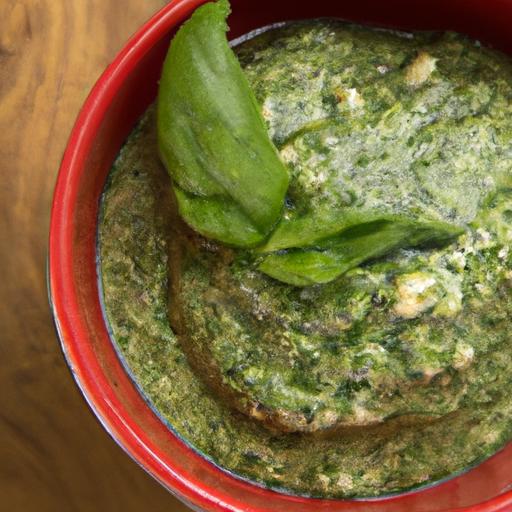

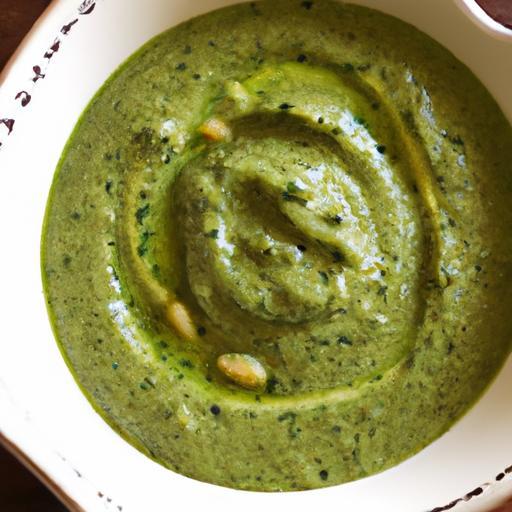
Imagine the vibrant, sun-soaked gardens of Italy where fresh basil leaves dance in the gentle breeze, mingling their aromatic essence with pine nuts, garlic, and the richest extra virgin olive oil. Now, picture capturing that very essence in your own kitchen-with nothing but a humble blender and a handful of fresh ingredients. Making authentic Italian pesto sauce is no longer an artisanal secret reserved for Nonna’s kitchen; it’s a delightful, accessible ritual you can master at home. In this article, we’ll guide you through the art of whipping up luscious, fragrant pesto that bursts with the genuine flavors of Italy, all while harnessing the power of your blender for a quick, effortless culinary masterpiece. Get ready to elevate your pasta nights and beyond, one vibrant spoonful at a time.
Whip up authentic Italian pesto sauce with your blender and transport yourself straight to the sunlit hills of Liguria, where this iconic green condiment first captured hearts. The secret to truly vibrant, flavour-packed pesto lies not just in the ingredients but in the delicate balance and technique that coax its signature luminous, herbaceous notes and creamy texture.
Choosing the Freshest Ingredients for a Truly Authentic Pesto Flavor
Start with fresh basil leaves – ideally young, tender, and vibrant green, free from wilt or discoloration. Look for sweet basil varieties from local farmers’ markets or organic sections. The freshness of the basil is the soul of your pesto and impacts both aroma and taste profoundly. freshly grated Parmigiano-Reggiano cheese adds nutty sweetness,while pine nuts contribute richness and a subtle buttery crunch. Opt for the highest-quality extra virgin olive oil you can find; this ties the sauce together with fruity warmth and silkiness.Lastly, fresh garlic cloves should be fragrant but not overpowering, balancing depth without bitterness.
Mastering the Perfect Blender Technique to Achieve Ideal Texture
Using a blender to prepare pesto makes the process effortless yet requires mindful control to retain texture. Start by pulsing the garlic and pine nuts briefly, then add basil leaves in batches, drizzling olive oil gradually. Avoid over-blending – the goal is a luscious sauce that’s smooth yet slightly coarse, preserving those delicate herb pieces. Blend at a medium speed,stopping frequently enough to scrape down sides,ensuring an even,vibrant mixture without turning it into a puree.This balance ensures each bite bursts with freshness and texture.
Balancing Flavors with Traditional Herbs and Nuts for Richness
The secret to richness lies in layering flavors carefully. While traditional pesto stars basil and pine nuts, a pinch of sea salt elevates each ingredient’s profile. Some enthusiasts add a touch of fresh lemon zest or a teaspoon of lemon juice to brighten the sauce without overshadowing basil’s aromatic charm. For a twist that honors tradition, experiment with a small handful of walnuts alongside pine nuts for earthier depth, but keep pine nuts dominant to stay authentic.
Tips for Storing and Serving Your Homemade Italian Pesto Sauce
Homemade pesto is best enjoyed fresh, but it keeps beautifully refrigerated for up to five days if stored airtight. To prevent the vibrant green from darkening,smooth a thin layer of olive oil over the surface before sealing. For longer storage, freeze pesto in small portions-ice cube trays work perfectly.When serving, toss the pesto with freshly cooked pasta, drizzle on grilled vegetables, or dollop on warm crusty bread. Garnish with a sprinkle of toasted pine nuts and a few fresh basil leaves for a picture-perfect presentation.
Prep and Cook Time
- Readiness: 10 minutes
- Cooking: None
- Total Time: 10 minutes
Yield
Serves approximately 6-8 people
Difficulty Level
Easy
Ingredients
- 2 cups fresh basil leaves, packed and washed
- 1/3 cup pine nuts, lightly toasted
- 2 garlic cloves, peeled
- 1/2 cup extra virgin olive oil
- 1/2 cup freshly grated Parmigiano-Reggiano cheese
- 1/4 teaspoon sea salt (adjust to taste)
- Optional: zest of 1 lemon
Instructions
- Toast the pine nuts in a dry skillet over medium heat for 3-5 minutes, stirring frequently, until golden and fragrant. Set aside to cool.
- Place garlic cloves and toasted pine nuts in the blender. Pulse 3-4 times until coarsely chopped to release aromas.
- Add the basil leaves in batches with a small drizzle of olive oil. Pulse gently to combine, scraping the sides often to ensure even blending.
- Slowly pour in the remaining olive oil while blending on medium speed, aiming for a creamy, yet textured consistency.
- Transfer to a bowl and stir in the Parmigiano-Reggiano, sea salt, and optional lemon zest with a spoon. Adjust seasoning as needed.
- Serve immediately or store as instructed for later use.
Tips for Success
- Use room temperature olive oil to blend ingredients smoothly and avoid clumping.
- Toast pine nuts gently-too dark will impart bitterness.
- If your pesto seems too thick, add olive oil by teaspoon until the desired consistency is reached.
- for a nut-free option, replace pine nuts with toasted sunflower seeds without compromising flavor.
- Make pesto a day ahead to let flavors marry – just give it a quick stir before serving.
Serving Suggestions
Whisk pesto through homemade fresh pasta for a silky, fragrant dinner. Drizzle over steamed vegetables or use as a vibrant spread on sandwiches and crostini. Garnish with extra grated cheese, a few reserved pine nuts, and fresh basil leaves for a stunning finish. For a delightful twist, dollop onto creamy polenta or roasted potatoes.

Nutritional Data (per 2 tbsp serving)
| Calories | Protein | Carbs | Fat |
|---|---|---|---|
| 90 | 2g | 1g | 9g |
For more culinary inspiration on Italian sauces, explore our Classic Tomato Sauce recipe. Discover the remarkable qualities of traditional Ligurian basil from Ligurian Basil Consortium.
Q&A
Q: What makes Italian pesto sauce authentically delicious?
A: Authentic Italian pesto thrives on simplicity and quality. Fresh basil leaves, pine nuts, extra virgin olive oil, garlic, Parmesan cheese, and a pinch of sea salt come together in perfect harmony. The magic is in using fresh, high-quality ingredients and balancing them just right to create that vibrant, herbaceous flavor that transports you straight to Liguria.
Q: Can I really make traditional pesto in a blender, or do I need a mortar and pestle?
A: While the traditional method uses a mortar and pestle to gently crush the ingredients, a blender is a fantastic modern shortcut. It’s faster and yields a wonderfully smooth sauce. Just pulse gently to avoid overheating the basil, which can turn it bitter. Using a blender makes the process accessible without compromising authenticity.
Q: How do I prevent the pesto from turning brown or losing its fresh green color?
A: Oxidation is the culprit! To keep your pesto vibrantly green, blend the ingredients quickly and with minimal air exposure. Adding a bit of extra virgin olive oil to coat the sauce helps shield it from the air. Also, storing pesto in an airtight container with a thin layer of olive oil on top will keep it fresh and bright for days.
Q: Can I use other nuts rather of pine nuts if I don’t have any?
A: Pine nuts are traditional and offer a subtle, buttery flavor that’s central to classic pesto. However, if pine nuts are hard to find or pricey, you can experiment with walnuts or almonds for a slightly different but still delicious twist. Just toast them lightly to bring out their flavor. Keep in mind that substituting nuts will gently shift the taste profile away from the original Ligurian character.
Q: What’s the best way to incorporate cheese in the pesto?
A: Authentic pesto typically uses freshly grated Parmigiano-Reggiano or Pecorino Romano.Mixing in the cheese at the end of the blending process preserves its texture and prevents it from becoming gummy.Freshly grated cheese adds depth, umami, and that irresistible nutty finish to the sauce.
Q: How do I achieve the perfect consistency when blending pesto in a blender?
A: Aim for a silky but slightly textured sauce. Start by blending the basil and nuts first, then gradually drizzle in olive oil as you pulse. Stop periodically to scrape down the sides to ensure even blending. If the pesto becomes too thick, add a little more olive oil or a splash of cold water to loosen it up without diluting the flavor.
Q: Can pesto be frozen, and will that affect its taste or texture?
A: Yes! Pesto freezes beautifully and retains most of its fresh flavor if handled properly. Portion it into ice cube trays for convenient single servings, then transfer to a freezer bag once solid. Thaw gently in the fridge before use. While freezing may slightly alter the texture, it’s a great way to preserve your homemade pesto for months.Q: Besides pasta, how else can I use homemade pesto?
A: Pesto is wonderfully versatile-try it as a spread on crusty bread, a topping for roasted vegetables, a marinade for grilled plant-based proteins, or even stirred into soups for a pop of herby brightness. Its rich, aromatic character adds depth and freshness to countless dishes beyond traditional pasta.
Q: What’s the secret tip for keeping the pesto vibrant and aromatic after blending?
A: Treat your pesto like a living green treasure! Once blended, store it in a jar, gently pressing the sauce down to eliminate air pockets, and pour a thin layer of olive oil on top before sealing. Keep it chilled, and if you won’t use it up quickly, freeze some for later.This simple ritual preserves that freshly whipped garden aroma every time.
in Summary
With just a handful of fresh ingredients and the trusty hum of your blender, crafting authentic Italian pesto sauce becomes a delightful kitchen adventure rather than a daunting task. This vibrant green elixir, bursting with the flavors of basil, garlic, pine nuts, and Parmesan, brings a sun-drenched touch of Italy to any dish. So next time you crave a taste of tradition with a modern twist, remember: your blender is the secret to effortlessly whipping up pesto that sings with authenticity and sings of la dolce vita. Buon appetito!