
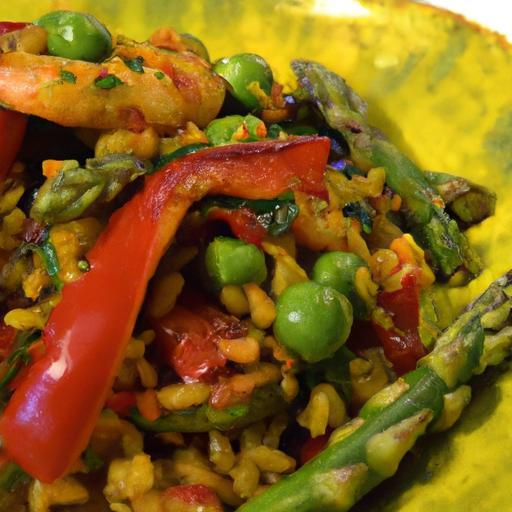
There’s something magical about paella-the vibrant colors, the rich aromas, the symphony of flavors that dance on your palate with every bite. Traditionally a celebration of Spanish coastal bounty, this iconic dish has journeyed far beyond its origins, adapting and evolving in kitchens around the world.Enter the plant-based paella: a vibrant, wholesome twist that honors tradition while embracing innovation and sustainability. Whether you’re a seasoned chef, a curious foodie, or someone eager to explore the lush world of plant-powered cuisine, this guide will take you on a flavorful adventure. From selecting the freshest vegetables and perfect spices to mastering that coveted socarrat crust, get ready to savor the flavor of plant-based paella perfection-where every grain tells a story and every morsel invites you to savor life’s brightest tastes.
Savor the Flavor: Choosing the Freshest Ingredients for Vibrant Plant-Based Paella
Savor the Flavor by starting with the foundation of any truly memorable plant-based paella: the freshest,most vibrant ingredients.Originating from the sun-drenched coast of Spain, this dish is a celebration of radiant colors, textures, and layered aromas that dance together in perfect harmony. When crafting a plant-based version, selecting fresh vegetables at their peak ripeness and quality spices is essential to evoke authenticity and depth. Imagine golden saffron threads gently infusing earthy, smoky paprika into a bed of tender bell peppers, plump tomatoes, and crisp green beans – each ingredient a critical note in a symphony of plant-powered goodness.
Prep and Cook Time
- Readiness: 25 minutes
- Cooking: 45 minutes
- Total Time: 1 hour 10 minutes
Yield
Serves 4 hearty portions
Difficulty Level
Medium - Ideal for home cooks eager to master customary techniques with a plant-based twist
Ingredients
- 2 cups short-grain Spanish bomba rice
- 1/4 teaspoon premium saffron threads
- 4 cups vegetable broth, preferably homemade or low-sodium
- 2 tablespoons extra virgin olive oil
- 1 medium red bell pepper, diced
- 1 medium yellow bell pepper, diced
- 1 cup green beans, trimmed and halved
- 1 large ripe tomato, finely chopped
- 1 cup artichoke hearts, quartered (fresh or jarred in water)
- 1 medium onion, finely chopped
- 3 cloves garlic, minced
- 1 teaspoon smoked Spanish paprika (pimentón)
- 1/2 teaspoon sweet paprika
- 1/2 teaspoon turmeric (optional, for color boost)
- 1 cup cooked chickpeas (drained and rinsed)
- 1 cup firm tofu, pressed and cubed
- salt and freshly ground black pepper, to taste
- Fresh lemon wedges for garnish
- Chopped fresh parsley for garnish
- Optional: smoked paprika oil for drizzling
Instructions
- Prepare the saffron infusion: Place saffron threads in a small bowl and gently crush them with a spoon.Add 1/4 cup of warm vegetable broth to bloom the saffron, releasing its intense color and aroma. Let steep while you prep other ingredients.
- Sauté aromatics: Heat olive oil in a large, wide paella pan or heavy skillet over medium heat. Add onion and bell peppers, stirring until soft and fragrant, about 5-7 minutes. Add garlic and sauté another minute, ensuring it does not brown.
- Add spices: Stir in smoked paprika, sweet paprika, and turmeric if using. Cook for 30 seconds to toast the spices, deepening their flavor without burning.
- Add rice and toast: Stir in bomba rice to the pan, coating each grain with the aromatic oil-spice mixture. Toast rice gently for 2-3 minutes to unlock a nutty undertone.
- Combine liquids: Slowly pour in saffron-infused broth and the remaining 3 3/4 cups vegetable stock. Stir in diced tomatoes, artichoke hearts, chickpeas, and tofu cubes.Taste and adjust salt and pepper.
- Simmer without stirring: Increase heat to medium-high until broth begins to gently boil. Then reduce heat to maintain a steady simmer. leave uncovered and avoid stirring - this is key to developing traditional texture. Cook for 25-30 minutes until rice is tender and broth mostly absorbed.
- Add green beans: Approximately 10 minutes before the end of cooking, nestle green beans into the rice, allowing them to soften yet retain a slight crunch.
- Create the socarrat: In the last 5 minutes, increase heat to medium-high briefly to form the signature crispy bottom crust (socarrat). Listen for a subtle crackling sound but do not burn. Remove from heat immediately once the crust forms.
- Rest and garnish: Cover the pan loosely with a clean kitchen towel or foil and let paella rest for 5-10 minutes to allow flavors to marry and socarrat to set.
- Serve: Garnish with fresh parsley and lemon wedges. Drizzle smoked paprika oil on top for extra smoky brightness, if desired.
Tips for Success
- Ingredient freshness: Opt for seasonal, organic vegetables whenever possible – freshness elevates the dish by leaps and bounds.
- Saffron matters: Use high-quality saffron threads sourced from reputable suppliers and bloom them gently in warm broth, never boiling liquid directly over saffron.
- Socarrat perfection: controlling heat in the final minutes is crucial – the perfect socarrat delivers a slightly crunchy, toasted layer that’s pure magic.
- Plant-based protein swaps: Tempeh or seitan cubes can replace tofu; add smoked or spiced varieties for extra flavor complexity.
- Advance prep: Prepare broth and chop vegetables in advance for an easy, efficient cooking process.
Serving Suggestions
Serve your vibrant plant-based paella straight from the pan at the center of the table for sharing. A crisp green salad with tangy citrus dressing complements the deep, savory tones. For an added burst of freshness, top with sliced avocado or a sprinkle of toasted almonds. Don’t forget to pass around the lemon wedges- a bright squeeze of citrus enlivens every bite and balances the richness.

| Nutrient | Per Serving |
|---|---|
| calories | 420 kcal |
| Protein | 15 g |
| Carbohydrates | 62 g |
| Fat | 9 g |
For more inspiring plant-based dishes that celebrate fresh ingredients, check out our Plant-Based Spanish recipes. To deepen your understanding of saffron’s unique qualities, visit Saffron.com’s official guide, a trusted resource for culinary enthusiasts worldwide.
Q&A
Q&A: Savor the Flavor – A Guide to Plant-Based Paella Perfection
Q: What makes plant-based paella different from the traditional version?
A: Plant-based paella swaps out animal proteins like seafood and meat for vibrant vegetables, legumes, and plant-powered proteins. While it honors the classic Spanish technique and bold saffron-infused rice, it celebrates the richness of earthy mushrooms, smoky peppers, and tender artichokes, proving that paella’s soul lives well beyond the sea and farm.
Q: Which rice variety should I use for authentic paella texture?
A: For that signature tender bite and socarrat-the crispy, caramelized crust on the bottom-you want a short- to medium-grain rice. Bomba rice is the star here, as it absorbs liquids beautifully without turning mushy, helping your plant-based paella reach perfection.
Q: How do I achieve the iconic socarrat without burning the rice?
A: Patience and attentive heat management are your best friends. After the rice has absorbed most of the cooking liquid, increase the heat slightly for a few minutes without stirring. You’ll hear a faint crackling sound, signaling that golden crust forming. Just be sure to keep a careful eye on it to avoid burning,and when done right,it’s pure magic.
Q: What are some must-have pantry spices for a flavorful plant-based paella?
A: Saffron is the heart of paella’s aroma and color, even in plant-based versions. Complement it with smoked paprika,garlic powder,and a hint of turmeric for depth and warmth. These spices imbue the dish with a smoky, savory essence that brings all the ingredients together.
Q: Can I use broth alternatives to enhance the flavor?
A: Absolutely! A well-seasoned vegetable broth is key to infusing the rice with rich taste. Consider simmering your broth with roasted vegetables, garlic, herbs, and mushroom stems to build a complex base that elevates every spoonful.Q: What vegetables work best in plant-based paella?
A: Think colorful and hearty: bell peppers, green beans, artichoke hearts, tomatoes, peas, and mushrooms shine brilliantly. Their varying textures and natural sweetness create a symphony of flavors, making each bite vibrant and satisfying.
Q: How can I add protein to my plant-based paella?
A: Legumes like chickpeas or butter beans are fantastic additions that add creaminess and protein punch without overpowering the dish. For extra umami, try sautéed tofu or tempeh cubes marinated in smoked paprika and garlic.
Q: Should I cover the pan while the paella cooks?
A: Traditionally, paella is cooked uncovered to allow the rice to develop its unique texture and the socarrat to form. Though, if your stove’s heat is uneven or you want to ensure even cooking, you can loosely cover it during the simmer, removing the cover towards the end to crisp the bottom.
Q: What type of pan is ideal for making paella?
A: A wide, shallow paella pan is best as it promotes even cooking and maximizes surface area for the socarrat. Though, if you don’t have one, any large, flat-bottomed skillet will work-just spread ingredients thinly to mimic the traditional style.
Q: How do I garnish my plant-based paella for a stunning finish?
A: Freshly chopped parsley adds a burst of color and brightness. A squeeze of lemon juice over the top just before serving cuts through the richness and lifts all the flavors. For a sprinkle of texture, some toasted almonds or pine nuts can add a surprising crunch.
Q: Can plant-based paella be enjoyed cold or as leftovers?
A: While paella is best enjoyed fresh and steaming, leftovers can be transformed into a vibrant rice salad or reheated gently for a second round. Just remember to add a splash of broth to loosen the rice and revive its luscious texture.
Embark on your plant-based paella adventure with these tips and savor every flavorful, colorful bite!
In Summary
As the vibrant colors of your plant-based paella come together on the plate, you’re not just serving a meal-you’re sharing a story of tradition, innovation, and mindful eating. This guide has unpacked the secrets to crafting a paella that honors its rich heritage while embracing the vibrant bounty of plants. Whether you’re a seasoned chef or a curious beginner, the art of perfecting plant-based paella invites you to savor each bite with intention and joy. So,gather your ingredients,ignite your stove,and let every simmer and spice transport you to the sun-soaked coasts of Spain-proof that flavor knows no bounds when passion and plants unite.