

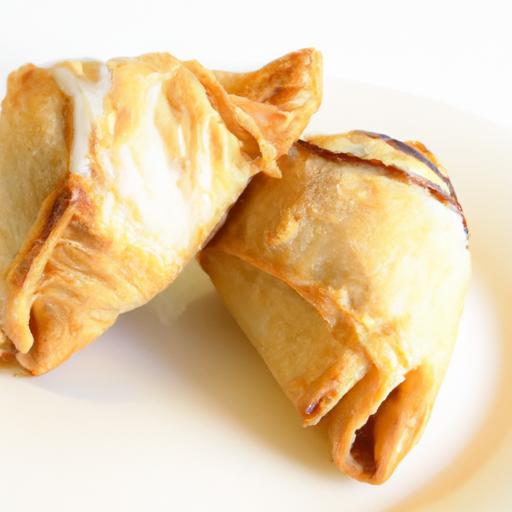
Nestled within the vibrant streets of Naples lies a culinary treasure that has captivated taste buds for centuries: the sfogliatella. Often described as a flaky,golden shell encasing a rich,aromatic filling,this iconic pastry is much more than just a sweet treat-it is a testament to the artistry and heritage of Neapolitan baking. “Sfogliatelle Unwrapped: The Art of Naples’ Flaky Delight” invites you on a journey through layers of history, technique, and flavor, uncovering the secrets behind the delicate, crisp layers that make this pastry a beloved symbol of Italy’s southern coast. From the careful folding of dough to the harmonious blend of ricotta and citrus-infused filling, discover how each sfogliatella embodies the passion, precision, and soul of Naples itself.
Sfogliatelle is a legendary pastry deeply rooted in the vibrant heart of Naples. This delicate, flaky delight with a rich history embodies the culinary soul of the Campania region, offering a sensory journey unlike any other. Sfogliatelle unwrapped reveals not just layers of crisp, golden pastry but also stories of monastic ingenuity, coastal traditions, and artisan pride. Drawing from a lifetime of culinary exploration, I invite you to embrace the magic of crafting thes irresistible shells filled with luscious ricotta and aromatic citrus whispers. Each flaky layer is a testament to patience and technique, transporting you to sun-drenched Neapolitan streets where every bite tells a tale.
Prep and cook Time
- Preparation: 1 hour 30 minutes (includes dough resting and folding)
- Cooking: 25 minutes
- Total Time: Approximately 1 hour 55 minutes
Yield
Makes 12 pastries, perfect for sharing or savoring over a few days.
Difficulty Level
Advanced: Requires patience and precision,especially in mastering the signature flaky layers.
Ingredients
- For the Dough:
- 2 ½ cups all-purpose flour, sifted
- ½ teaspoon salt
- ½ cup cold water
- 1 cup unsalted butter, melted and cooled
- for the Filling:
- 1 ½ cups whole milk ricotta, well-drained
- ¾ cup granulated sugar
- 1 large egg
- 1 teaspoon vanilla extract
- Zest of 1 orange
- Zest of 1 lemon
- 2 tablespoons semolina flour
- ¼ teaspoon ground cinnamon
- 2 tablespoons candied citron or finely chopped candied orange peel (optional)
- For Finishing:
- Powdered sugar, for dusting
Instructions
- Prepare the Dough: In a large mixing bowl, combine flour and salt. Gradually add cold water, stirring gently until a shaggy dough forms. Knead on a floured surface for 10 minutes until smooth and elastic. Wrap tightly in plastic and let rest for 30 minutes.
- Create the Flaky Layers: Roll the dough into a large rectangle. Using a pastry brush,spread a thin,even layer of melted butter over the surface. Roll it up tightly into a log, then coil the log into a spiral. Wrap and refrigerate for 30 minutes to relax.
- Prepare the Filling: In a mixing bowl, combine ricotta, sugar, egg, vanilla, orange zest, lemon zest, semolina, cinnamon, and candied peel (if using). Mix until smooth and set aside.
- Shape the Shells: Remove dough from the refrigerator and slice the spiral crosswise into 12 equal discs. Roll each disc out thinly in an oval shape. Gently stretch the edges while keeping the center thick, creating thin layers resembling a shell.
- Fill the Pastries: Spoon about 1 ½ tablespoons of filling into the center of each oval. Fold the dough over,pinching the edges to form the iconic “clam” shape with delicate ridges.
- Bake to Golden perfection: Preheat the oven to 375°F (190°C). Place the pastries on a parchment-lined baking tray. Bake for 20-25 minutes until crisp, golden, and puffed. Rotate the tray halfway through baking for even colour.
- Cool and Serve: Let the pastries cool slightly. Dust generously with powdered sugar before presenting to fully showcase their signature flaky layers and fragrant filling.
Tips for success
- Use cold butter and keep your dough cool during folding to ensure crisp, separated layers.
- Allow the ricotta to drain overnight in a fine sieve lined with cheesecloth to avoid watery filling.
- Practice gentle stretching of the dough discs; tearing will compromise delicate layers.
- For a dairy-free variation,substitute ricotta with a blended mixture of cashew cream and lemon zest,adjusting sweetness accordingly.
- sfogliatella dough can be made a day in advance – keep refrigerated and bring to room temperature before shaping.
Serving suggestions
Serve these exquisite pastries warm or at room temperature alongside a rich espresso or velvety cappuccino. Garnish with a light dusting of powdered sugar and a few zest curls of orange or lemon to highlight the citrus aromas inside. For an elegant brunch, pair with fresh berries and a drizzle of honey. Sfogliatelle also star beautifully on dessert platters, especially when accompanied by a fresh mint leaf or a hint of finely chopped pistachios for added texture and color contrast.

Origins and Traditions behind Naples’ Iconic Sfogliatelle
The story of sfogliatelle originates from the 17th century, beginning in a convent where nuns ingeniously transformed simple ingredients into mouthwatering pastries. Over centuries, this treat has been lovingly adapted but still revered across Naples, cherished as a symbol of neapolitan identity. Its name reflects the pastry’s defining characteristic – “sfoglia” meaning leaf or sheet, an ode to the painstaking technique used to create countless paper-thin layers.
Mastering the Perfect Flaky Layers: Techniques and Tips
the hallmark of sfogliatelle lies in its irresistible crunch and layered texture.Achieving this requires skillful dough handling: alternating thin sheets brushed with generous butter, carefully rolled, coiled, and rested.The magic is in gentle stretching and shaping just before baking to reveal the comforting “shell” form. Mastery comes with patience and practice but the reward is a delicate mosaic of crunch enveloping a creamy center, an experience that embodies artisan craft.
inside the Filling: Exploring Classic and Innovative Flavors
Traditionally, the filling is a creamy ricotta blend infused with citrus zest, semolina, and subtle spices like cinnamon. This harmony of textures creates a balance of sweet, tangy, and warm notes. Modern variations explore creative twists: from adding ground almonds or pistachios to infusions with exotic florals such as orange blossom or rose water. Vegan or dairy-free alternatives often use nut-based creams, honoring tradition while welcoming new palates.
Where to Savor Authentic Sfogliatelle in Naples and Beyond
In Naples,historic pasticcerias like Pasticceria Ranieri and Martesana have crafted sfogliatelle for generations, embodying authentic recipes passed down through families. Beyond Italy, select bakeries aiming for genuine Neapolitan standards can be found in cities worldwide but ensure to seek fresh, handmade layers, or better yet, attempt your own with this guide for a true taste of Naples at home.
| Nutrient | Per Serving (1 pastry) |
|---|---|
| Calories | 320 kcal |
| Protein | 6 g |
| Carbohydrates | 35 g |
| Fat | 16 g |
For further inspiration on conventional Italian pastries, explore our detailed article on Classic italian Pastries. For a thorough history of Naples’ culinary evolution, visit the Britannica Naples entry.
Q&A
Q&A: Sfogliatelle Unwrapped: The Art of Naples’ Flaky Delight
Q1: What exactly is a sfogliatella, and why is it so iconic in Naples?
A1: Sfogliatella, often called the “little leaf” or “thin leaf” pastry, is a beloved Neapolitan treasure celebrated for its unique, feather-light layers of dough that crackle and crunch with every bite. This pastry’s iconic status stems from its delicate craftsmanship and the centuries-old tradition that transforms simple ingredients-flour,butter,ricotta,and citrus zest-into a symphony of textures and flavors. It’s not just a pastry; it’s an edible piece of Naples’ vibrant culinary soul.
Q2: What makes the dough of a sfogliatella so special?
A2: The dough is the heart of the sfogliatella’s magic. Made by painstakingly rolling and folding thin sheets of dough with a bit of fat between layers, it’s created to mimic the delicate petals of a flower or thin leaves fluttering in the breeze. Once baked, these layers puff and separate, creating that signature crispy, crackly exterior that gives way to a tender, flavorful filling. Achieving this texture requires patience and skill, which is why sfogliatella is frequently enough considered an art form.
Q3: Which fillings are traditionally used in sfogliatelle?
A3: The classic filling, known as riccia, combines creamy ricotta cheese with semolina, candied citrus peel-especially orange and citron-and a hint of aromatic cinnamon or vanilla. This balance of creamy, sweet, and slightly tangy notes complements the pastry’s crispness. There is also the frolla version, featuring a shortcrust pastry filled with rich semolina custard or sometimes bursting with seasonal fruit preserves. Both versions showcase the harmonious blend of textures and flavors that have charmed generations.
Q4: how has the sfogliatella evolved over time?
A4: From its inception in monastic kitchens to bustling street bakeries in Naples, sfogliatella has evolved from a humble treat to a symbol of regional pride. Bakers continuously experiment with fillings-introducing pistachios, chocolate, or even chestnuts-while never losing sight of the traditional method that creates its signature layers. This evolution mirrors Naples itself: a city rooted in tradition yet alive with creativity.
Q5: Can sfogliatella be enjoyed beyond breakfast?
A5: Absolutely! While it’s famously enjoyed as a morning treat alongside a steaming cup of espresso or Neapolitan coffee, sfogliatella’s versatility makes it perfect any time of day.Its harmonious balance of sweet and textured elements makes it a delightful companion to afternoon tea, a festive dessert during celebrations, or simply a moment of indulgence when you need a crispy, creamy escape.
Q6: What tips can a home baker follow to attempt making sfogliatella?
A6: Embarking on the sfogliatella journey at home requires patience and finesse. Start with a dough recipe that allows for thin, elastic sheets-almost paper-thin. Use ample butter or clarified fat between layers and don’t rush the rolling and folding. the filling should be smooth, lightly sweetened, and fragrant with citrus and spice. bake at a high temperature to coax those layers into crisply puffed perfection. Remember, the beauty lies not in perfection but in the ritual of creation and the joy of tasting your flaky masterpiece.
Q7: Where in Naples can visitors experience the ultimate sfogliatella?
A7: The city’s narrow, lively streets are dotted with pâtisseries and family-run bakeries where sfogliatella is crafted fresh daily. Renowned spots like historic pastry shops near Piazza del Gesù or hidden gems in the Spaccanapoli district serve sfogliatelle that encapsulate Neapolitan tradition and warmth. Tasting a sfogliatella on-site means more than just savoring a pastry-it’s immersing oneself in the pulse of naples, its history, and its devotion to culinary craft.
With each layer of sfogliatella peeled back, you uncover more than just dough and filling-you discover the heart of Naples itself, crisp, complex, and utterly unforgettable.
insights and Conclusions
As the last crumb settles and the lingering aroma of citrus and ricotta fades,one thing remains clear: sfogliatelle is far more than just a pastry. It is a testament to Naples’ rich heritage, a delicate dance of technique and tradition rolled into each flaky layer. Whether savored in a bustling café or crafted in your own kitchen, this iconic delight invites you to unwrap not just its crispy folds, but the vibrant story of a city that turned simple ingredients into a culinary masterpiece. So next time you bite into a sfogliatella, remember-you’re tasting centuries of artistry, passion, and a little bit of Neapolitan magic.