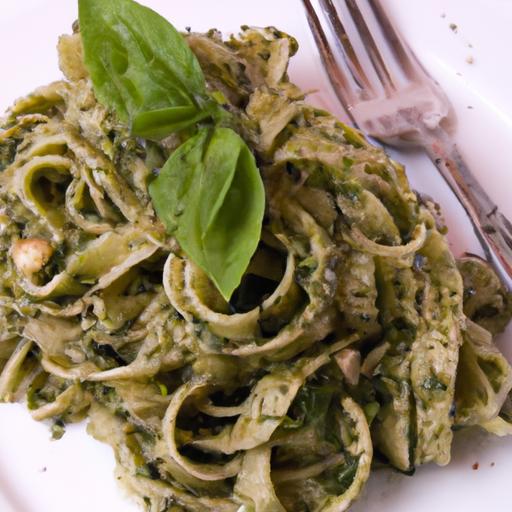

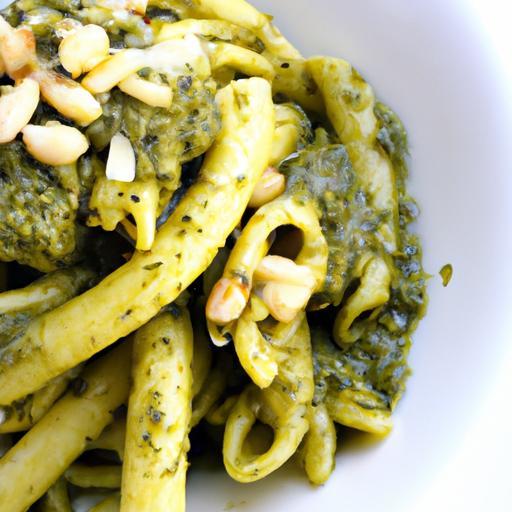
Bursting with vibrant colors and brimming with garden-fresh goodness, vegan pesto pasta is more than just a meal-it’s a festivity of nature’s finest ingredients harmonizing on your plate. Whether you’re a seasoned plant-based eater or simply curious about adding a burst of flavour to your pasta nights, this guide will lead you through the art of crafting fresh and flavorful vegan pesto that transcends conventional basil sauce. From nutty twists to herbaceous blends and innovative ingredient swaps, prepare to elevate your pasta game with recipes that are as nourishing as they are appetizing. Embrace the green goodness and get ready to savor the ultimate vegan pesto pasta experience!
Fresh & Flavorful: The Ultimate Vegan Pesto Pasta Guide begins with the art of selecting the freshest, most vibrant ingredients that breathe life into every forkful of this luscious, plant-based sauce. A truly remarkable vegan pesto captures the essence of bright basil leaves, toasted nuts, and creamy textures without losing balance or depth.
Prep and Cook time
- Prep Time: 15 minutes
- Cook Time: 10 minutes
Yield
Serves 4 generously
Difficulty Level
Easy – perfect for both novice cooks and seasoned chefs looking for a swift flavor boost
Ingredients
- 2 cups fresh basil leaves, packed, washed and dried for optimal flavor
- 1/2 cup raw pine nuts, toasted until golden and fragrant
- 3 cloves garlic, peeled and roughly chopped
- 1/4 cup nutritional yeast, to impart that savory, cheesy bite
- 1/2 cup extra virgin olive oil, cold-pressed for aroma and richness
- 1 tablespoon fresh lemon juice, to brighten the sauce
- Salt and freshly cracked black pepper, to taste
- 1/4 cup soaked cashews (soaked in warm water for 30 minutes), for creaminess without dairy
- Optional: 1 teaspoon capers, rinsed, for a subtle briny twist
- 12 ounces pasta of choice (see creative pairings below)
Instructions
- Toast the pine nuts: In a dry skillet over medium heat, gently toast the pine nuts until they turn golden and give off a nutty aroma, about 3-4 minutes. Set aside to cool.
- Prepare the pesto base: In a food processor, combine fresh basil leaves, toasted pine nuts, garlic, nutritional yeast, and soaked cashews. Pulse until coarsely blended, scraping down the sides as needed to ensure uniform mixing.
- Emulsify the sauce: with the processor running on low, slowly drizzle in the olive oil and fresh lemon juice until the pesto reaches a smooth but slightly textured consistency. Season with salt and pepper to taste, and pulse briefly to incorporate.
- Cook the pasta: Bring a large pot of salted water to a boil. Add your chosen pasta and cook according to package instructions until al dente. Reserve 1/2 cup of pasta water before draining.
- Combine pasta and pesto: Return the drained pasta to the pot over low heat. Add the pesto sauce and toss to coat evenly.If necessary, stir in reserved pasta water a tablespoon at a time to loosen the sauce and achieve a silky finish.
- Final touches: Transfer to serving bowls and garnish with extra toasted pine nuts, fresh basil sprigs, and a light drizzle of olive oil for a vibrant presentation.
Tips for Success: mastering Texture and Taste Balance
- Choosing ingredients: Use basil fresh from the market or garden, avoiding leaves that are wilted or bruised, ensuring a lively green color and bright flavor.
- Nut options: While pine nuts are classic, walnuts or almonds can add captivating depth. Toast lightly to unlock thier oils and flavor.
- Achieving creaminess: Soaked cashews create a luscious texture akin to traditional cheese but remain wholly vegan.
- Adjusting acidity: Lemon juice is your friend to balance richness – add it gradually for brightness without overpowering.
- Avoid over-blending: A pesto should maintain some texture, so pulse rather than fully puree for a rustic mouthfeel.
Creative Pasta Pairings to Elevate Your Vegan Pesto Dish
- Fresh linguine: The thin strands hold sauce beautifully, creating an elegant plate perfect for entertaining.
- Gemelli or twisted pasta: Its spiral shape catches pesto in nooks, offering bursts of flavor with every bite.
- Gluten-free options: Quinoa or chickpea pastas complement the sauce with added protein and nutty undertones.
- Zucchini noodles: For a grain-free, refreshing alternative, toss pesto with spiralized zucchini and a scatter of toasted sunflower seeds.
Tips for Storing and Reheating to Keep Freshness Intact
- Storage: Keep pesto in an airtight jar, pressing plastic wrap directly onto the surface to prevent oxidation. Refrigerate for up to 5 days.
- Freezing: Portion pesto into ice cube trays for easy thawing. once frozen, transfer cubes into a freezer bag for up to 3 months.
- Reheating: Warm pasta gently on low heat, adding a splash of water or plant-based milk to restore creamy consistency.Avoid high heat to retain the vibrant herbs and fresh flavor.
Serving Suggestions
Serve right after tossing for the freshest bite. Enhance with a sprinkle of toasted pine nuts, shaved vegan parmesan, or microgreens for texture and visual appeal. A side of roasted cherry tomatoes or grilled asparagus makes an elegant accompaniment, adding bursts of color and contrast.For a touch of indulgence, drizzle high-quality herb-infused olive oil or a zingy lemon vinaigrette.
| Nutrient | Per Serving |
|---|---|
| Calories | 420 |
| Protein | 12g |
| Carbohydrates | 54g |
| Fat | 18g |

For more plant-powered inspirations, explore our collection of vegan pasta recipes. Discover the science behind nutrient-rich nuts and seeds at The Nutrition Society.
Q&A
Q&A: Fresh & Flavorful: The Ultimate Vegan Pesto Pasta Guide
Q1: What makes vegan pesto different from traditional pesto?
A1: Traditional pesto typically includes Parmesan cheese, which is made from animal milk. Vegan pesto skips the cheese or uses plant-based alternatives like nutritional yeast or cashews to achieve that rich, umami flavor and creamy texture-making it totally dairy-free yet delightfully savory.
Q2: What are the key ingredients in a classic vegan pesto?
A2: A classic vegan pesto shines with fresh basil leaves, garlic, pine nuts (or other nuts like walnuts or almonds), nutritional yeast, lemon juice, good-quality olive oil, and a pinch of salt. These ingredients blend into a vibrant sauce bursting with fresh, herbaceous notes and subtle nuttiness.
Q3: Can I use other herbs besides basil to make vegan pesto?
A3: Absolutely! Pesto is wonderfully versatile. Try swapping basil for kale, spinach, cilantro, or even arugula to create unique flavor profiles. each herb brings its own personality-from the mild, earthy flavors of kale to the peppery zest of arugula-keeping your pasta dishes exciting and fresh.
Q4: How do I keep my vegan pesto vibrant and green?
A4: To preserve that stunning emerald color, blanch your herbs briefly in boiling water then shock them in ice water before blending. This method locks in the bright green hues.Also, use fresh herbs, avoid overheating the mixture, and add lemon juice right before blending to maintain freshness.
Q5: What’s the best pasta to pair with vegan pesto?
A5: Pesto loves to cling to pasta with a bit of texture! Classic choices include fusilli, trofie, or penne, as their twisting shapes catch every drop of sauce. Whole-grain or legume-based pastas work great too, offering extra fiber and protein for a wholesome meal.
Q6: Can I store vegan pesto, and how long does it last?
A6: Yes! Vegan pesto stores beautifully in an airtight container in the fridge for up to 5 days. To prevent browning, drizzle a thin layer of olive oil on top before sealing. For longer storage, freeze it in small portions-ice cube trays work perfectly-so you can enjoy fresh-tasting pesto anytime.
Q7: Are there nut-free options for vegan pesto?
A7: Definitely! If nuts aren’t your thing, try pumpkin seeds, sunflower seeds, or hemp seeds rather. These alternatives offer a similar texture and subtle nuttiness, making your vegan pesto just as creamy and flavorful without the allergens.
Q8: How can I boost the flavor of my vegan pesto pasta beyond the sauce?
A8: Freshness is key! Toss your pasta with steamed or roasted veggies like cherry tomatoes, zucchini, or artichoke hearts. Add a sprinkle of toasted seeds or a handful of arugula for peppery brightness. A squeeze of lemon juice and a sprinkle of freshly cracked black pepper at the end elevate the whole dish.
Q9: is vegan pesto suitable for meal prepping?
A9: Absolutely! Vegan pesto pasta holds up well in the fridge and can be a quick, nourishing lunch or dinner.Keep the pesto and pasta separate if possible to retain freshness, then combine just before eating-or toss them together and add a splash of olive oil or plant-based milk before reheating to revive the sauciness.
Q10: What makes pesto a great go-to sauce for vegan cooking?
A10: Pesto is a vibrant,no-cook sauce packed with plant-based goodness. It’s easy to customize, nutrient-rich thanks to fresh herbs and nuts, and elevates simple pasta into a gourmet experience without fuss. Plus,it’s perfect for summery dishes,meal prep,and anyone seeking bold flavor in a green,fresh bite.
to Conclude
As you twirl your fork through this vibrant, herb-infused vegan pesto pasta, remember that plant-based cooking is as much about creativity as it is about nourishment. With every fresh basil leaf and nutty sprinkle, you’re crafting more than a meal-you’re celebrating a lifestyle that honors both flavor and compassion. So, whether you’re a seasoned vegan or simply pesto-curious, let this guide inspire your kitchen adventures. Fresh, flavorful, and infinitely customizable, vegan pesto pasta proves that delicious plant-powered dishes are never out of reach. Now, go ahead-dive in, savor every bite, and keep reimagining what your pasta plate can be.