
There’s something almost magical about a stack of perfectly fluffy pancakes-golden, tender, and light enough to practically float off your plate. But beneath the comforting aroma and irresistible taste lies a fascinating dance of science at work. From the right balance of ingredients to the subtle interplay of heat and timing, achieving that ideal fluffiness isn’t just luck or tradition-its precision in action. In this article, we’ll unravel the culinary chemistry and explore the essential techniques that transform simple batter into cloud-like pancakes every single time. Get ready to flip your pancake game into a new realm of delicious mastery!
mastering the art of creating perfectly airy pancakes hinges on truly understanding how leavening agents work, the nuances of batter consistency, precise temperature control, and the frequently enough-overlooked power of resting your batter.This delicate harmony turns ordinary ingredients into a fluffy stack that practically melts on your tongue.
Understanding Leavening Agents: the Heart of Fluffiness
Leavening agents are the invisible heroes behind every light and fluffy pancake. When you incorporate baking powder or baking soda,these compounds react chemically to produce tiny bubbles of carbon dioxide,which expand during cooking and create that coveted airy texture. Using the right amount is critical; too little and your pancakes turn dense, too much and they can collapse or taste bitter.
For pancakes, double-acting baking powder is ideal because it reacts twice: once when wet and again under heat. This guarantees consistent rise during cooking. Another option is the natural rise from whipped egg whites, which adds delicate structure and volume-giving you inviting, pillow-soft pancakes every time.
Mastering Batter Consistency for Optimal Fluffiness
The texture of your batter ultimately dictates the fluffiness of your pancakes. Aim for a pourable, slightly thick batter that falls off a spoon in slow ribbons rather than a runny liquid. Overmixing develops gluten, leading to a dense texture, so gently fold your dry ingredients into the wet just until moistened.
Incorporating some air while mixing-especially after beating eggs-introduces lightness that transforms plain batter into a cloud-like delight. Striking this balance ensures pancakes rise well without becoming tough or dry.
Temperature Techniques That Make or Break Your Pancake Texture
Temperature is a pivotal factor when cooking pancakes. Preheat your skillet or griddle to medium heat before adding batter-too hot and the outside will burn while the inside remains raw; too cool and the batter spreads thin and cooks unevenly.A well-seasoned cast iron pan or a non-stick griddle offers the best results for even heat distribution.
Look for bubbles forming on the surface and edges slightly setting before flipping-that’s your signal your pancake texture has developed just right. Lower the heat slightly after flipping to cook through gently,avoiding over-browning,to keep the interior moist and tender.
The Importance of Resting Time and Mixing Methods Explained
Allowing your batter to rest for 10 to 15 minutes before cooking is a game changer. This pause lets the flour fully hydrate and leavening agents begin their chemical magic, creating a batter that’s smooth and less lumpy. Resting also lets any trapped air stabilize,which prevents flat pancakes.
mix with a light hand and use folding techniques rather than vigorous stirring. Overbeating can deflate those precious air bubbles and activate too much gluten. Remember,patience at this stage yields pancakes that rise with a tender crumb and irresistible fluff.
Prep and Cook Time
- Prep Time: 15 minutes (including resting time)
- Cook Time: 10-12 minutes
Yield
makes about 8 medium-sized pancakes (serves 4)
Difficulty Level
Easy
Ingredients
- 1 ½ cups all-purpose flour, sifted
- 3 ½ tsp baking powder (double-acting)
- ½ tsp salt
- 1 tbsp granulated sugar
- 1 ¼ cups whole milk
- 1 large egg, at room temperature
- 3 tbsp unsalted butter, melted and cooled, plus extra for cooking
- 1 tsp pure vanilla extract (optional)
Instructions
- Whisk dry ingredients: In a large bowl, combine flour, baking powder, salt, and sugar. Mix well to ensure even distribution.
- Combine wet ingredients: In a separate bowl,whisk together milk,egg,melted butter,and vanilla extract until smooth.
- Gently fold the wet into dry: Pour wet mixture into the dry ingredients.Using a spatula, fold gently just until combined-some lumps are okay. Avoid overmixing to maintain fluffiness.
- Rest the batter: Cover the bowl lightly with a clean towel and let it sit at room temperature for 10-15 minutes. This step allows the batter to thicken and leavening to activate.
- Preheat your pan: Heat a non-stick skillet or griddle over medium heat. Lightly grease with butter. To test heat, sprinkle a few drops of water; they should dance and evaporate within seconds.
- Cook pancakes: Pour ¼ cup batter for each pancake onto the skillet. cook until bubbles appear on surface and edges look set, about 2-3 minutes.
- Flip carefully: Using a spatula, flip pancakes and cook for another 2 minutes until golden and cooked through.
- Serve promptly: Keep pancakes warm in a low oven if needed while cooking the rest.
Tips for Success
- For extra lift,separate the egg and beat the white to soft peaks,folding into the batter last.
- If batter thickens too much after resting, gently stir in a tablespoon of milk to loosen.
- Use fresh baking powder to ensure maximum rise; expired leavening agents yield flat pancakes.
- Do not press down on pancakes with the spatula-this deflates and ruins fluffiness.
- For gluten-free options, substitute all-purpose flour with a 1:1 gluten-free baking flour blend.
- Make-ahead tip: Keep cooked pancakes warm in a 200°F (95°C) oven for up to 20 minutes.
Serving Suggestions
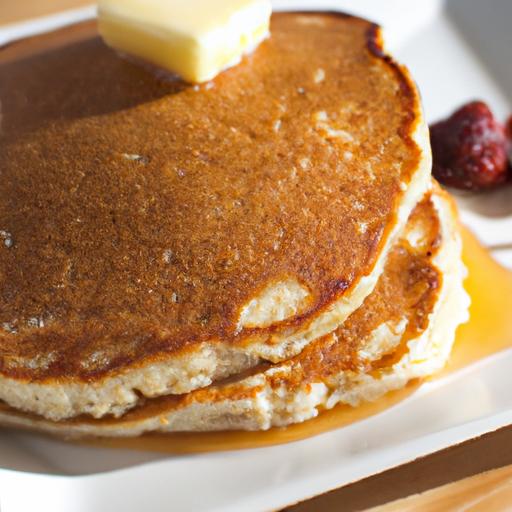
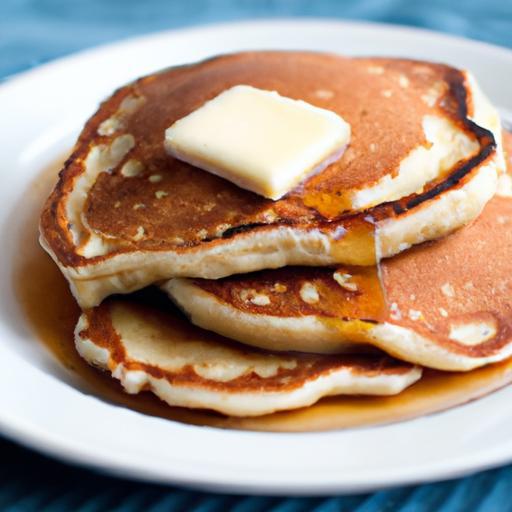
Serve your pancakes stacked high with a pat of melting butter and a drizzle of organic maple syrup for classic sweetness. Add a handful of fresh berries or sliced bananas for natural brightness and color. For a touch of indulgence, sprinkle toasted nuts or a dusting of powdered sugar on top. A dollop of whipped cream or a smear of Greek yogurt adds extra creaminess against the fluffy pancake layers.

| Nutrient | Per Serving |
|---|---|
| Calories | 210 kcal |
| Protein | 6 g |
| Carbohydrates | 28 g |
| fat | 8 g |
For more tips on creating irresistible breakfast treats,explore our Ultimate Breakfast Guide. For a deep dive into the science of baking, visit Serious Eats Food Science.
Q&A
Q&A: The Science Behind Perfectly Fluffy Pancakes Every Time
Q1: What makes a pancake fluffy, scientifically speaking?
A1: Fluffy pancakes owe their airy texture to tiny pockets of trapped gas-mainly carbon dioxide-that expand during cooking.When batter ingredients react, gas bubbles form and get trapped within the batter’s structure. Heat causes these bubbles to grow, lifting the pancake and giving it that scrumptiously soft, fluffy texture.
Q2: Which ingredients are key to creating those gas bubbles?
A2: The heroes behind the fluff are leavening agents like baking powder and baking soda. They chemically release carbon dioxide when combined with moisture and acid, such as buttermilk or yogurt. The carbon dioxide bubbles get trapped in the thick batter, causing it to rise as it cooks.
Q3: Why is the mixing technique vital? Should the batter be smooth or lumpy?
A3: Overmixing can deflate those precious bubbles, leading to dense pancakes.The ideal batter is slightly lumpy-this means gluten progress is minimal, so pancakes stay tender and fluffy. Lightly fold the ingredients until just combined and resist the urge to chase out every speck of flour.
Q4: How do eggs contribute to fluffiness?
A4: Eggs act as natural leaveners and structure builders. When beaten, egg whites trap air, and during cooking, these air pockets expand.Additionally, eggs provide protein that solidifies with heat, creating a supportive framework that holds the bubbles in place.
Q5: Can the temperature of the cooking surface affect fluffiness?
A5: Absolutely! Medium heat is ideal for pancakes. too hot,and the exterior browns too fast,preventing proper rise inside; too cool,and pancakes cook slowly,becoming dense. A steady medium temperature allows gradual gas expansion and even cooking, achieving that perfect golden puff.
Q6: What role does the liquid portion of the batter play?
A6: Liquids hydrate dry ingredients, activating leavening agents and gluten formation. But balance is key-too much liquid yields thin batter and pancakes that spread flat; too little makes thick batter that won’t rise well. Classic recipes use milk or buttermilk for moisture and acidity to kickstart leavening.
Q7: Is resting the batter really necessary?
A7: Yes! Letting the batter rest for 5-15 minutes allows flour to fully hydrate and gluten strands to relax. This rest time promotes better gas retention and results in tender, fluffy pancakes.
Q8: Can different flours affect the fluffiness?
A8: Yes, flour with lower protein content, like all-purpose or cake flour, is perfect for fluffy pancakes. High-protein flours (like bread flour) create more gluten, which can make pancakes tough and chewy.
Q9: How does acidity enhance pancake fluffiness?
A9: Acidic ingredients like buttermilk or lemon juice react with baking soda to release carbon dioxide gas more efficiently. This reaction supercharges the leavening process, creating extra bubbles and resulting in puffier pancakes.
Q10: Any quick tips to ensure fluffiness every time?
A10: Certainly! Use fresh leavening agents, don’t overmix, allow the batter to rest, and cook on medium heat. Measuring ingredients carefully and using acidic liquids like buttermilk are also game-changers. With science on your side, fluffy pancakes are just a whisk away!
Final Thoughts
crafting the perfect fluffy pancake is less about luck and more about a delightful dance of science and technique. From the delicate balance of ingredients to the magic of air bubbles expanding beneath a warm griddle, understanding the chemistry behind each step transforms breakfast into a small but satisfying culinary triumph. So next time you whisk, fold, and flip, remember: you’re not just making pancakes-you’re orchestrating a symphony of science that promises that light, tender, irresistible stack every single time.