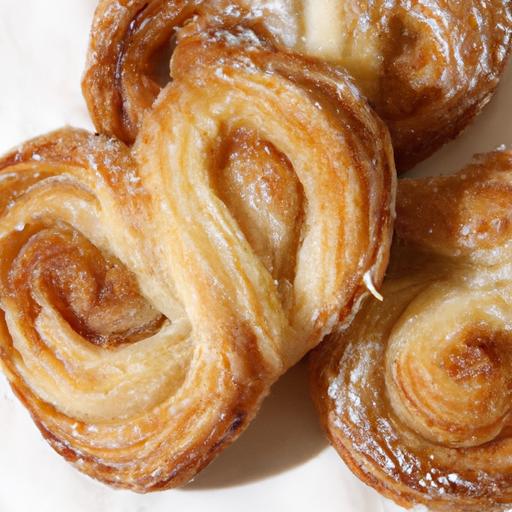

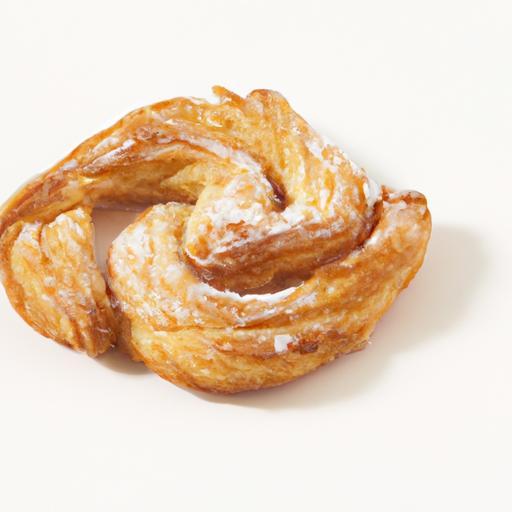
There’s a certain magic in the way a simple sheet of puff pastry can transform into a golden, flaky masterpiece that dances on your taste buds-enter the palmier.known affectionately as “elephant ears” or “French hearts,” palmiers are more than just a pastry; they are a crispy symphony of sugar and butter, delicately folded and baked to perfection. In this article, we’ll unfold the secrets behind thes irresistible French delights, exploring their history, the art of their creation, and why their irresistible crunch continues to captivate pastry lovers around the world. Prepare to dive into the buttery layers of palmiers and discover what makes this classic treat an enduring icon of French patisserie.
Palmiers unfolded reveal a timeless French pastry delight that captivates with its delicate, buttery layers and irresistible crispiness. Originating from the heart of French patisserie, this charming cookie-like treat highlights the elegance of puff pastry in a simple yet profoundly satisfying form. My first encounter with palmiers was at a bustling Parisian bakery, where the sweet caramelized edges paired with the airy, flaky layers instantly won my heart-each bite a harmonious dance of texture and flavor that perfectly epitomizes french culinary artistry.
Prep and Cook Time
- Prep Time: 20 minutes
- Chilling Time: 30 minutes
- Cook Time: 15-18 minutes
Yield
Makes approximately 24 palmiers, perfect for sharing at tea time or as a delicate snack.
Difficulty Level
medium - Ideal for confident bakers looking to refine puff pastry techniques.
Ingredients
- 1 sheet (about 8 oz) of high-quality store-bought puff pastry, thawed
- 1 cup granulated sugar, divided
- 1 teaspoon ground cinnamon (optional)
- Butter (unsalted), for greasing the baking sheet
The Art of Crafting the Perfect Crispy Texture and Flaky Layers: Instructions
- Preheat your oven to 400°F (200°C). Prepare a baking sheet by lightly greasing it with unsalted butter or lining it with parchment paper.
- On a clean, flat surface, sprinkle half of the sugar evenly (about ½ cup). If desired, mix the cinnamon into this sugar for an aromatic twist.
- Unfold the thawed puff pastry sheet onto the sugared surface. Press gently with a rolling pin to embed the sugar crystals into the dough without flattening the pastry’s thickness.
- Sprinkle the remaining sugar evenly on top of the puff pastry. Carefully turn the pastry over and sprinkle the bottom side with a little more sugar, pressing it in gently once again.
- Starting from each long edge, roll both sides inward toward the center until they meet, creating a double spiral log about 1 inch in diameter. Wrap the log in plastic wrap and chill in the refrigerator for 30 minutes to firm up.
- Remove the chilled log and, with a sharp knife, slice it into ¼-inch thick pieces. Arrange the palmiers cut-side up on the prepared baking sheet, spacing them 1 inch apart to allow for expansion while baking.
- Bake in the preheated oven for 12-15 minutes or until the edges are golden brown and crispy. For an extra caramelized finish, flip each palmier halfway through baking and sprinkle with a touch more sugar.
- Transfer the baked palmiers to a wire rack to cool fully,allowing their crisp texture to set before serving.
Chef’s Notes: Tips for Success
- Use high-quality chilled puff pastry to maximize the flaky layers; homemade puff pastry yields even better results if you’re feeling aspiring.
- For a subtle flavor enhancement, dust cinnamon sugar on the puff pastry before rolling; alternatively, experiment with ground cardamom or finely grated lemon zest for a unique twist.
- If sugar crystallization is uneven, lightly brush the pastry with water before adding sugar to help it adhere better.
- keep the rolled dough log cold before slicing to ensure clean, even cuts without squashing the layers.
- Store palmiers in an airtight container at room temperature-they stay crisp for up to 3 days but are best enjoyed fresh.
Serving Suggestions to Elevate Your Palmier Experience
These dainty palmiers are breathtaking when presented alongside a steaming cup of espresso or a fragrant herbal tea, embodying the essence of refined French indulgence. For a festive touch, serve the palmiers dusted with a light sprinkle of powdered sugar or alongside fresh berries and whipped cream. They also pair beautifully with velvety chocolate ganache or a dollop of homemade fruit preserves for an elegant dessert board.

Nutritional Information
| Per palmier | Calories | Protein | Carbohydrates | Fat |
|---|---|---|---|---|
| 1 piece (approx. 15g) | 70 | 0.6g | 10g | 3.5g |
Embark on your journey with palmiers unfolded and enjoy the captivating marriage of buttery layers and crisp caramelized edges-a true French patisserie treasure you’ll be eager to master. For a deep dive into French puff pastry techniques and other classic recipes,check out our French Puff Pastry Basics. To understand the delicate science behind puff pastry, visit the thorough resources available at French Pastry School.
Q&A
Q&A: Palmiers Unfolded – The Crispy French Pastry Delight Explained
Q1: What exactly is a palmier?
A1: A palmier is a classic french pastry known for its delicate, crispy layers and elegant, heart-like shape. Made from puff pastry and sprinkled generously with sugar,it bakes into a caramelized,buttery treat that’s sweet,crunchy,and utterly irresistible.
Q2: How did palmiers get their name?
A2: The name “palmier” translates to ”palm tree” in French. This pastry’s distinctive shape resembles the fronds of a palm leaf, with its airy curves and symmetrical folds lending it a naturally graceful silhouette.
Q3: What makes a palmier so crispy and flaky?
A3: The magic lies in the puff pastry. Carefully layered dough and cold butter are folded repeatedly to create hundreds of thin sheets. When baked,steam puffs up these layers,producing the signature crispness and buttery flakiness that tempt every bite.
Q4: Is making palmiers at home arduous?
A4: Surprisingly, no! While traditional puff pastry can seem intimidating, you can achieve fantastic results using store-bought puff pastry. The key is to roll it evenly, coat it with sugar, and fold it precisely to create those iconic swirls before baking to golden perfection.
Q5: Can palmiers be flavored or customized?
A5: Absolutely! While the classic sugar-crusted palmier is beloved for its simplicity, you can add twists like cinnamon, cocoa, or finely chopped nuts to the sugar layer. Some even experiment with a pinch of sea salt for a sweet-salty surprise or brush the pastry with fruit preserves before folding.
Q6: When is the best time to enjoy palmiers?
A6: Palmiers are perfect any time of day! They’re a delightful companion to morning coffee or afternoon tea, and they make charming little gifts or party treats. Their light crispness also makes them an elegant ending to a meal paired with fresh fruit or cream.
Q7: How should palmiers be stored to retain their crunch?
A7: To keep palmiers crispy, store them in an airtight container at room temperature. Avoid refrigeration, wich can introduce moisture and soften the crisp layers. If they lose a bit of their crunch,a brief toast in the oven can bring them back to life.Q8: Are palmiers gluten-free or adaptable for dietary needs?
A8: Traditional palmiers are made from wheat-based puff pastry, so they contain gluten. However, gluten-free puff pastry alternatives exist, allowing those with dietary restrictions to indulge in this French classic with a bit of culinary creativity.
Q9: What is the best technique to achieve even caramelization on palmiers?
A9: Even sugar distribution is essential. Sprinkle sugar generously and evenly before the first fold, then again on the folded dough’s surface. This layering of sugar contributes to an even,golden caramelization,creating that signature glossy finish and irresistible crunch.
Q10: Why have palmiers remained a beloved pastry across cultures?
A10: Their timeless appeal lies in simplicity and elegance. Few pastries combine ease of preparation with such refined texture and flavor. Palmiers showcase buttery richness and sweet caramel notes in a charming shape,making them an enduring favorite from Parisian cafés to kitchens worldwide.
In Conclusion
As the delicate layers of the palmier unfurl, so too does an appreciation for this timeless French pastry-where buttery crispness meets a whisper of caramelized sweetness in every bite. Whether enjoyed alongside a morning café or as an elegant finish to an afternoon tea, the palmier stands as a testament to the art of simple ingredients elevated through technique and tradition. So next time you unwrap this golden,heart-shaped delight,remember: beneath its crisp exterior lies a story of french patisserie mastery waiting to be savored.