
Flan Uncovered: Exploring the Sweet Secrets of This Classic Treat
There’s a silent magic in the golden caramel hues and the velvety smoothness of a perfectly crafted flan.This humble custard dessert, cherished across continents and cultures, holds a rich tapestry of history, technique, and flavor that often goes unnoticed beneath it’s glossy surface. Join us as we peel back the layers of flan – uncovering its sweet secrets, unraveling its origins, and diving into the craftsmanship that elevates this classic treat from simple comfort food to a celebrated indulgence. Whether you’re a longtime admirer or a curious newcomer, prepare to see flan in an entirely new light.
Flan Uncovered: The Origins and Evolution of Flan Across Cultures
Flan uncovered reveals an exquisite journey from ancient Rome through Spain to the Americas, where this luscious custard dessert has been lovingly adapted and embraced by countless cultures. its charm lies not only in its silky texture and sweet caramel glaze but also in its versatility and cultural meaning.Originally a savory egg dish in Roman times, flan evolved into the creamy, sweet custard we adore today as it traveled through Spain, and then found a passionate home in Latin America and the Philippines, each adding unique regional touches. This sweet treat has a way of evoking warmth, family gatherings, and shared joy with every spoonful.
Prep and Cook Time
- Preparation Time: 15 minutes
- cooking Time: 50 minutes
- Cooling and Chilling: 4 hours (preferably overnight)
Yield
Serves 8 elegantly portioned servings
Difficulty Level
Medium: Requires attention to caramelization and gentle baking in a water bath for the perfect custard texture.
Essential Ingredients and Techniques for Homemade Flan Uncovered
- 1 cup granulated sugar (for caramel)
- 4 large eggs, preferably at room temperature
- 1 can (14 oz) sweetened condensed milk
- 1 can (12 oz) evaporated milk
- 1 tbsp pure vanilla extract
- 1/4 tsp sea salt (balances sweetness)
Instructions
- Prepare the caramel: In a medium heavy saucepan, sprinkle the 1 cup of sugar evenly over the bottom and cook over medium heat without stirring.Once the edges begin to melt and turn golden, gently swirl the pan to ensure even caramelization. This should take about 8-10 minutes.Instantly pour the amber caramel into a 9-inch round cake pan or flan mold,tilting to coat the bottom evenly. Set aside to harden.
- Preheat the oven to 325°F (163°C). Prepare a deep roasting pan for a hot water bath (bain-marie).
- In a large bowl, whisk the eggs gently; avoid creating foam.
- Add the sweetened condensed milk, evaporated milk, vanilla extract, and sea salt to the eggs and whisk until combined into a smooth custard.
- Strain the custard mixture through a fine sieve into the caramel-lined pan. This helps eliminate any egg solids or bubbles,guaranteeing a silky texture.
- Place the pan into the roasting pan and pour hot water into the outer pan until it reaches halfway up the sides of the flan mold.
- Bake for 50 minutes, or until the edges are set but the centre still jiggles slightly when shaken.
- Remove the flan from the water bath carefully and let cool to room temperature, then refrigerate for at least 4 hours, ideally overnight to fully set and develop flavor.
- To serve,run a knife around the edges to loosen,place a large plate over the pan,and invert quickly. The caramel will flow luxuriously over the custard.
tips for Success: Decoding the Perfect Texture and Flavor Balance in Flan Uncovered
- Use room temperature eggs to help blend ingredients smoothly and avoid curdling.
- Make the caramel slowly and watch it closely to avoid burning; caramel color directly impacts flavor depth.
- Straining the custard is key for ensuring a velvety finish without texture imperfections.
- Water bath baking is essential – it gently cooks the custard to a delicate creaminess rather of scrambling the eggs.
- Chilling overnight intensifies flavors and gives a clean slice when serving.
- For a dairy-free variation, try canned coconut milk in place of evaporated milk, adding a mild tropical twist.
Expert Tips for artistically Presenting and Serving Flan Uncovered
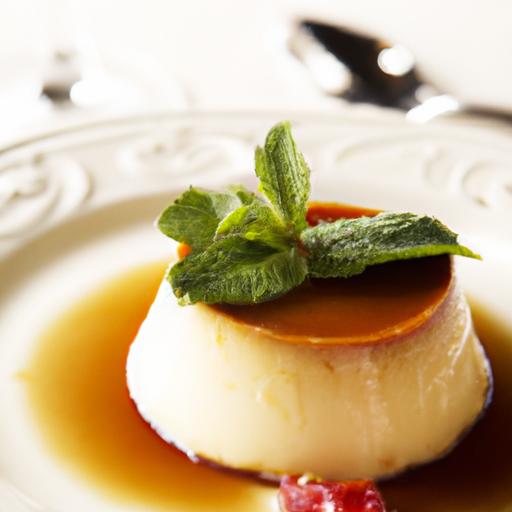
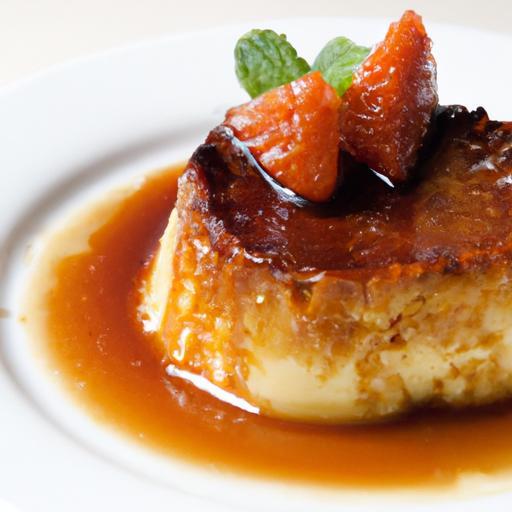
Presentation elevates flan from a humble dessert to a culinary showstopper. Serve flan uncovered on a simple white plate to contrast the deep amber caramel. Garnish with fresh berries like raspberries or sliced mango for a bright color pop and subtle tartness to balance the custard’s sweetness. A thin mint sprig or edible flower adds an elegant touch.Drizzle a little extra caramel from the pan around the plate to create a glossy frame.
Accompany the flan with a small dollop of lightly whipped cream infused with a hint of cinnamon or citrus zest for an additional layer of flavor and texture. For visual appeal, cut neat, uniform slices with a warm, wet knife wiped clean between each cut.
| Nutrient | Per Serving |
|---|---|
| Calories | 290 kcal |
| protein | 7 g |
| Carbohydrates | 40 g |
| Fat | 10 g |
Experiance the magic of flan uncovered – where heritage and technique combine to create a classic treat that’s both timeless and irresistibly luscious.

For more delightful dessert inspirations, explore our classic custard recipes. Discover the science behind perfect custards at serious Eats.
Q&A
Q&A: Flan Uncovered – Exploring the Sweet Secrets of This Classic Treat
Q1: What exactly is flan, and where did it originate?
A1: Flan is a luscious custard dessert topped with a layer of golden caramel. Its roots trace back to ancient Rome, where early versions were made using eggs and milk.Over centuries, flan evolved and traveled through Europe, especially Spain, before becoming a beloved staple across Latin America and beyond. Today, flan’s legacy lives on as a symbol of comforting, creamy indulgence.Q2: What are the basic ingredients that make flan so irresistibly smooth and sweet?
A2: The magic trio behind flan’s velvety texture includes eggs, milk (or cream), and sugar. Eggs provide structure and that silky body; milk adds creaminess; and sugar, especially when caramelized, delivers the signature sweet, slightly burnt top that contrasts beautifully with the custard’s gentle sweetness.
Q3: How is caramel made, and why is it significant in flan?
A3: Caramel starts with heating sugar until it melts and turns a deep amber color. This transformation creates complex flavors-think rich, bittersweet notes-that crown the custard. When the flan is inverted after baking, this caramel becomes a glossy sauce that cascades over each slice, enhancing every bite with a subtle bitterness that balances the dessert’s mild sweetness.
Q4: Can flan be customized with unique flavors without losing its classic charm?
A4: Absolutely! While conventional flan is pure and simple, creative twists can infuse subtle hints of vanilla, citrus zest, coconut milk, or even spices like cinnamon and nutmeg.These additions play with the senses but keep the essence intact-smooth custard paired with luscious caramel.
Q5: What is the secret to achieving the perfect flan texture?
A5: The key lies in gentle cooking and patience. Flan is best baked in a water bath (bain-marie), which ensures even, slow heat to prevent curdling and cracking. This technique gives the custard its signature silky, almost melt-in-your-mouth texture, rather than becoming rubbery or grainy.
Q6: How is flan traditionally served and enjoyed?
A6: Flan is typically chilled, allowing it to set fully and intensify in flavor. Once unmolded, each slice reveals shimmering caramel sauce pooling around the base, perfect for spooning. It pairs wonderfully with fresh fruit,a sprinkle of toasted nuts,or a dollop of whipped cream,making each serving a sensory delight.
Q7: What makes flan such a timeless dessert across cultures?
A7: Flan’s universal appeal lies in its simplicity and harmony of flavors-sweet caramel balanced by creamy custard creates an experience that’s both comforting and elegant. Its adaptability enables it to cross cultural boundaries, becoming a festive staple and a sweet hug on a plate wherever it’s enjoyed.
Q8: Are there any tips for homemade flan beginners?
A8: Certainly! Use fresh eggs for a richer custard, strain the mixture before pouring it into your mold to avoid any lumps, and don’t rush the caramel-watch it closely to avoid burning. Also, patience is a virtue: allow the flan to cool fully and chill overnight; this rest period perfects its texture and flavor.
Q9: How does flan differ from other custard desserts like crème brûlée?
A9: While both are custards, flan is baked with caramel sauce that becomes a liquid topping once inverted, whereas crème brûlée features a hard caramelized sugar crust on top, created by torching. Flan’s texture tends to be softer and more gelatinous, offering a soothing melt, while crème brûlée offers a satisfying crackle under your spoon.
Q10: What cultural traditions or celebrations commonly feature flan?
A10: Flan frequently enough graces tables during festive occasions, family gatherings, and holidays throughout spanish-speaking countries.It symbolizes warmth and togetherness, frequently appearing at birthdays, Christmas feasts, and other joyful celebrations as a sweet conclusion that brings everyone closer.
This Q&A peels back the layers of flan’s history, ingredients, and culinary secrets – revealing why this humble custard remains a captivating classic on dessert menus worldwide.
In Summary
As we peel back the layers of flan’s rich history and delectable texture, it becomes clear that this classic treat is much more than just a dessert-it’s a sweet symbol of cultural creativity and culinary heritage. Whether served at festive gatherings or enjoyed as a quiet indulgence, flan invites us to savor the simple pleasures of caramelized bliss and silky custard. So next time you dip your spoon into this golden delight, remember the centuries of tradition and the subtle secrets that make flan truly unforgettable. The journey of flan is far from over-each bite is an invitation to explore and celebrate the timeless art of sweet indulgence.