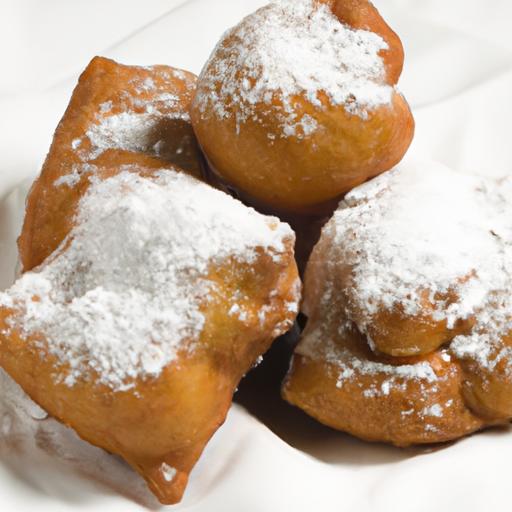

In the vibrant streets of New Orleans, where jazz melodies weave through the air and history lingers in every corner, one culinary treasure stands out as a beacon of sweet indulgence: the beignet. these pillowy, golden fritters, dusted generously with powdered sugar, are more than just a pastry-they are a symbol of the city’s rich cultural tapestry and its love for bold, comforting flavors. “beignets Uncovered: Sweet Delights from New Orleans’ Heart” invites you on a flavorful journey to unravel the origins, traditions, and irresistible charm behind these iconic treats. Whether you’re a seasoned local or a curious traveler, prepare to dive deep into the story of beignets and discover why they hold a special place in the soul of new Orleans.
Origins and Traditions Behind New Orleans’ Iconic Beignets
beignets Uncovered: Sweet Delights from New Orleans’ Heart begin with a rich history rooted deep in French Creole culture. These airy,pillowy pastries have become synonymous with the vibrant spirit of New Orleans,where every café corner resonates with the scent of freshly fried dough dusted in snowy powdered sugar. Originally brought to Louisiana by French settlers in the 18th century, beignets evolved beyond a simple fried dough into a cultural icon, heralding communal breakfasts and festive celebrations alike. Their charm lies in their simple yet decadent presence on the plate-a perfect harmony of crunch and softness that invites whispers of cafe au lait and jazz melodies.
Prep and Cook Time
- preparation: 20 minutes (plus 1 hour rising)
- Cooking: 10 minutes per batch
- Total Time: Approximately 1 hour 30 minutes
Yield
Makes about 24 medium-sized beignets, serving 6 to 8 people
difficulty Level
Medium – requires patience during dough rising and some skill with frying
Ingredients
- 3 ½ cups all-purpose flour, sifted
- 1/4 cup granulated sugar
- 1 teaspoon salt
- 1 tablespoon active dry yeast
- 1 ¼ cups warm water (105°F – 110°F)
- 2 large eggs, beaten
- 2 tablespoons unsalted butter, melted and cooled
- Vegetable oil, for frying (about 4 cups)
- Powdered sugar, for dusting
Instructions
- Activate the Yeast: In a small bowl, combine the warm water, a pinch of sugar, and active dry yeast. Stir gently and let it bloom for 5-7 minutes until foamy. This step ensures yoru dough will rise beautifully.
- Mix Dry ingredients: In a large mixing bowl, whisk together the sifted flour, granulated sugar, and salt.
- Combine Wet Ingredients: Make a well in the center of the dry mix, then add the beaten eggs, melted butter, and the yeast mixture. Stir using a wooden spoon until the dough starts to come together.
- Knead the Dough: Transfer the dough to a floured surface and knead for about 8-10 minutes until it becomes smooth, elastic, and slightly tacky but not sticky. Add flour sparingly if needed.
- First Rise: Place the dough in a lightly oiled bowl,cover with a clean damp towel or plastic wrap,and let it rise in a warm draft-free spot for about 1 hour or until doubled in size.
- Shape the Beignets: Punch down the dough gently and roll it out to about ¼ inch thickness on a floured surface. Cut into 2½-inch squares or rectangles, ensuring uniform size for even frying.
- Heat the Oil: In a deep fryer or heavy-bottomed pot, heat vegetable oil to 360°F (182°C).Use a candy or deep-fry thermometer for accuracy to achieve the perfect texture.
- Fry the Beignets: Fry in batches, gently placing up to 4 pieces at a time into the hot oil. Fry until they puff up and turn a golden brown, about 2-3 minutes per side. Use a slotted spoon to flip and remove them promptly.
- Drain and Dust: Drain the beignets on paper towels to remove excess oil, then immediately dust generously with powdered sugar for that iconic snowy finish.
- Serve Warm: Enjoy hot alongside a cup of rich coffee or café au lait for an authentic new Orleans experience.
Tips for Success: Crafting the Perfect Beignet Dough
- Maintain Precise Water Temperature: Too hot will kill the yeast; too cold will slow rising.Aim for lukewarm (105°F-110°F).
- Flour Wisely: Use less flour when rolling out the dough to keep the beignets light and airy-too much flour makes them dense.
- Oil Temperature Matters: If too cool, beignets absorb more oil and will be greasy; too hot causes outside to burn before inside cooks. Keep it steady around 360°F.
- Make-Ahead: The dough can be refrigerated overnight after the first rise. Let it come to room temperature before cutting and frying for best results.
- Fillings and Flavors: While classic beignets shine powdered sugar naked, you can stuff or top them with fruit preserves, chocolate ganache, or spiced honey for a modern twist.Just prepare for a delightful mess!
Exploring Unique Fillings and Flavors That Elevate Classic Beignets
Beyond tradition, beignets invite creativity. Imagine a warm pocket bursting with fresh strawberry compote or a silky vanilla bean custard tucked inside. Citrus-infused glazes or powdered sugar with a sprinkle of cinnamon awaken familiar flavors in new ways. For daring palates, a touch of cayenne in the sugar dusting adds a subtle heat that complements the sweetness.There’s an artistry in balancing dough and filling that transforms beignets from simple treats into memorable indulgences.
Serving Suggestions
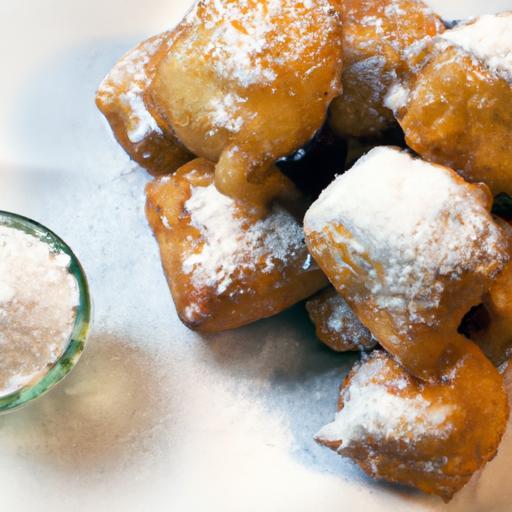
- Classic Presentation: Serve freshly fried beignets heaped on a rustic wooden board, dusted thickly with powdered sugar and paired with a steaming mug of chicory coffee.
- Elegant Garnish: Add a sprig of fresh mint or edible flower petals to brighten the plate visually and aromatically.
- Plated dessert: Accompany with a drizzle of homemade berry coulis or vanilla crème anglaise for a café-style dessert experience.
- Party Tray: Offer a variety of dipping sauces-dark chocolate, caramel, or spiced honey-to turn snack time into a flavor adventure.
| Nutrition Per Beignet | Calories | Protein | Carbs | Fat |
|---|---|---|---|---|
| Classic Plain | 180 | 4g | 25g | 7g |
| With Fruit Filling | 220 | 4g | 30g | 7g |
| With Chocolate drizzle | 240 | 4g | 28g | 10g |
Southern Living’s Classic Beignet Recipe is a trusted resource if you want to explore the cultural roots further.
For more inspiration,check out our internal article on French Pastry Techniques to elevate your baking skills and craft even more authentic treats.

Q&A
Q&A: Beignets Uncovered: Sweet Delights from New Orleans’ Heart
Q1: What exactly is a beignet, and why is it so iconic in New Orleans?
A1: A beignet is a pillowy, deep-fried dough square, dusted generously with powdered sugar. Its roots trace back to French settlers, but it truly blossomed in New Orleans, becoming a symbol of the city’s rich cultural tapestry. The beignet’s fluffy texture and sweet exterior perfectly capture the joie de vivre that defines the Crescent City.
Q2: How is a traditional New Orleans beignet made?
A2: The classic beignet is crafted from a simple yeast dough, which is rolled out and cut into squares or rectangles. After proofing, the pieces are fried until golden and crispy on the outside, yet soft inside. The generous snowfall of powdered sugar on top delivers that signature sweet finish.Q3: Are there variations of beignets beyond the traditional powdered sugar version?
A3: Absolutely! While powdered sugar is king, inventive bakers experiment by filling beignets with luscious creams, chocolate, or fruit preserves. There are even savory takes, but the quintessential experience remains the sweet, airy treat that melts on your tongue.
Q4: What makes beignets different from other fried dough treats like doughnuts?
A4: Unlike doughnuts, beignets are usually square and don’t have a hole in the center.They’re lighter, often less sweet internally, relying on the powdered sugar for sweetness. The dough itself tends to be airier and less dense, giving beignets a delicate, melt-in-the-mouth quality unique to New Orleans culinary tradition.
Q5: When is the best time to enjoy a beignet in New Orleans?
A5: Beignets are a beloved breakfast or mid-afternoon snack, especially perfect when paired with a steaming cup of chicory coffee. Early mornings in the French Quarter, as the city awakens with a buzz of jazz and the scent of fresh beignet batter, create an unforgettable sensory experience.
Q6: can beignets be prepared at home, and are there tips for beginners?
A6: yes! Making beignets at home is an enjoyable culinary adventure. The key is allowing enough time for the dough to rise, and frying at the right temperature to ensure a crisp outside and airy inside. Don’t skimp on the powdered sugar-it’s essential for that authentic New Orleans charm.
Q7: What cultural significance do beignets hold in new Orleans?
A7: Beignets are more than just a treat-they’re a symbol of New Orleans hospitality, tradition, and festive spirit. Served in iconic cafes like Café du Monde, they bring together locals and visitors alike, embodying a shared love for sweetness amidst the city’s vibrant cultural mosaic.
Q8: How has the beignet influenced or been influenced by other culinary traditions?
A8: the beignet reflects a blend of French, African, and Creole influences, much like New Orleans itself. It shares a family resemblance with other fried dough delights worldwide but stands out for its airy texture and powdered sugar cloaking-a delicious bridge between old-world recipes and Southern charm.
Q9: Are beignets gluten-free or adaptable for specific diets?
A9: Traditionally, beignets are made with wheat flour, but modern bakers have created gluten-free versions using choice flours that still capture the essence of this New Orleans icon. While these versions may differ slightly in texture, they offer a delightful experience for those with dietary restrictions.
Q10: What’s the best way to savor a beignet to fully appreciate its flavors?
A10: Bite into a freshly fried beignet while it’s still warm, letting the soft dough and powdered sugar dance on your palate. Pairing it with a rich, robust coffee or a refreshing iced beverage elevates the experience. The secret is to enjoy it with mindfulness-letting the sweetness and lightness carry you straight to the heart of New orleans.
Future Outlook
As the final powdered sugar settles and the last bite of warm, pillowy beignet melts away, one thing is clear: these sweet delights are far more than just a treat-they are a delicious embodiment of New Orleans’ rich culture and vibrant spirit. From their French Creole origins to their place in bustling café corners,beignets tell a story that’s as layered and flavorful as their golden crusts. So next time you find yourself wandering the streets of the Crescent City or seeking a taste of its charm afar, remember that each beignet is an invitation-a warm, sugary embrace from the heart of New Orleans waiting to be uncovered.