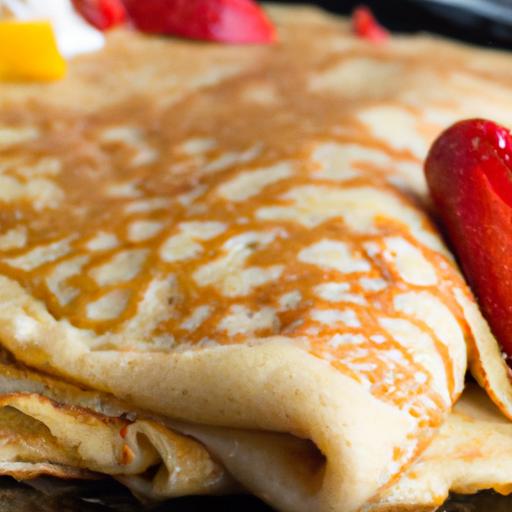

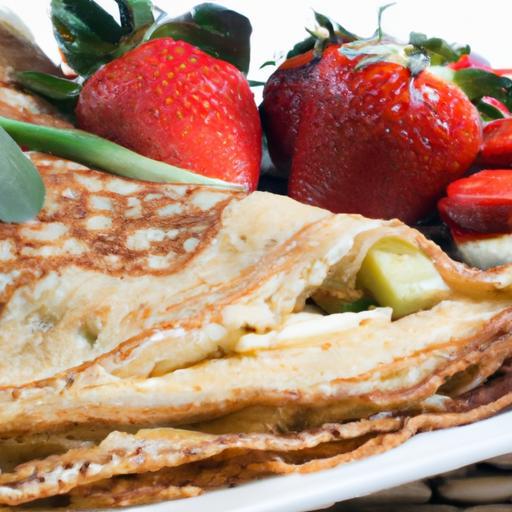
Delicate, versatile, and undeniably delicious, crepes have long captivated taste buds around the world with their whisper-thin texture and boundless culinary possibilities. From humble street food stalls in Paris to elegant brunch tables across continents, these paper-thin pancakes weave a rich tapestry of history, culture, and flavor.In “Crepes Uncovered: A Delicious Journey Through Thin Pancakes,” we invite you to explore the origins, techniques, and tantalizing variations of this beloved dish-unwrapping the secrets behind every fold and savoring a global adventure that proves crepes are much more than just a simple pancake.
Origins and Evolution of crepes across Cultures
Crepes uncovered: a delicious journey through thin pancakes begins with their captivating history that intertwines food culture across continents. These delicate, paper-thin delights are believed to have originated in the Brittany region of France, where buckwheat crepes, known as galettes, were traditionally enjoyed as hearty meals. However, as these thin pancakes traveled far beyond their humble beginnings, countless variations emerged-from the slightly thicker Russian blini to the sweet Japanese sakura crepes wrapped in colorful paper, each culture adding its unique twist to this versatile classic.
The beauty of crepes lies in their adaptability: sweet or savory, breakfast or dinner, casual snack or refined dessert. This universality is why the crepe has become an iconic culinary canvas, inspiring chefs and home cooks worldwide to craft unforgettable meals and memories. Whether you favor a simple lemon and sugar filling or an extravagant smoked salmon and dill cream, mastering the crepe batter opens doors to endless gastronomic creativity.
Mastering the Art of the Perfect Crepe Batter
The foundation of every amazing crepe starts with the batter. Achieving that delicate balance-light enough to be tender yet substantial enough to hold your fillings-requires precision and practise. Essential tips include using all-purpose flour for a consistently smooth texture and letting the batter rest to hydrate the flour fully, resulting in a more elastic and tear-resistant crepe.
Incorporating a touch of melted butter ensures a golden finish and helps prevent sticking. For a silky batter, mixing cold milk gradually with the beaten eggs creates an emulsion, lending each crepe its signature thinness and suppleness. The secret to flawless crepes is also in the cooking technique: a well-seasoned or non-stick pan heated to the right temperature and skillful spreading of the batter in a circular motion are key to even, lacy edges.
Prep and Cook Time
- Prep Time: 15 minutes
- Resting Time: 30 minutes
- Cook Time: 20 minutes (for approximately 12 crepes)
Yield
12 medium crepes (ideal for serving 4 people)
Difficulty Level
Easy to Medium - Perfect for beginners with a few tips, but rewarding for pros to master precision.
Ingredients
- 1 cup all-purpose flour, sifted
- 2 large eggs, room temperature
- 1 1/4 cups whole milk, cold
- 2 tbsp melted unsalted butter, plus extra for the pan
- 1/4 tsp fine sea salt
- 1 tbsp granulated sugar (optional, for sweet crepes)
- 1 tsp pure vanilla extract (optional, for sweet batter)
Instructions
- Combine Dry Ingredients: In a large mixing bowl, sift together the flour, salt, and sugar (if using). This ensures a lump-free batter.
- Whisk Eggs: In a separate bowl, beat the eggs gently until combined. Add the vanilla extract here if you’re making sweet crepes.
- Gradually Mix: Slowly pour about half the milk into the eggs, whisking constantly to blend smoothly.
- Create batter: Make a well in the center of the flour mixture and pour in the egg-milk blend. Whisk gently while gradually adding the remaining milk. The batter should be thin and silky.
- Add butter: Stir in the melted butter thoroughly to incorporate fat that prevents sticking and promotes browning.
- Rest the Batter: Cover the bowl with plastic wrap and refrigerate for at least 30 minutes. This step relaxes the gluten and prevents toughness.
- Heat Your Pan: Warm a non-stick or well-seasoned crepe pan over medium heat. Lightly brush with melted butter before cooking each crepe.
- Cook the Crepes: Pour a small ladle (~1/4 cup) of batter into the center and instantly tilt and swirl the pan to evenly coat the surface with a thin layer.
- flip with Precision: Cook for 1-2 minutes until edges start to lift and underside is golden. Carefully flip using a thin spatula and cook the other side for another 30 seconds.
- Transfer and Stack: Slide the finished crepe onto a plate and cover loosely with foil to keep warm. Repeat until all batter is used.
Tips and Techniques for Cooking Crepes Like a Pro
- Batter Consistency: Should be pourable and thin enough to coat the pan in a thin layer but not watery. Adjust with a splash of milk if too thick.
- Temperature control: Avoid overly high heat to prevent burning; the pan should be hot enough to cook quickly but preserve tenderness.
- Resting is Key: Batter resting cools the starches and smooths out lumps for uniform cooking and a tender crumb.
- Non-Stick Pan Choice: A crepe pan or a flat skillet with gently sloping edges works best to swirl the batter effortlessly.
- First Crepe as Test: The first crepe often acts as a test to adjust heat or batter thinness.
- Keep Crepes Warm: Stack on a warm plate covered with a lightly damp towel to retain moisture without sweating.
sweet and Savory crepe Fillings to Savor and Share
The versatility of crepes shines brightest through their fillings.For a sweet indulgence,try spreading creamy Nutella and topping with fresh strawberries and a dusting of powdered sugar. Alternatively, spread luscious whipped cream and drizzle with homemade berry compote for seasonal freshness.
For savory cravings, sautéed mushrooms with garlic and thyme nestled within a blanket of melted Gruyère cheese creates a cozy, rich option. Or, fill with spiced roasted vegetables and a dollop of tangy herbed yogurt for a vibrant, plant-forward choice. These filling ideas invite endless innovation while celebrating the elegant simplicity of thin pancakes.
Serving Suggestions
- Garnish sweet crepes with a sprinkle of powdered sugar, a twist of freshly grated lemon zest, or a handful of toasted nuts for crunch.
- Top savory crepes with fresh herbs like parsley, chives, or microgreens to add color and brightness.
- Serve crepes stacked or rolled,accompanied by a small bowl of warm maple syrup or a tangy fruit coulis to dip.
- Pair with a side salad of baby greens tossed in a light vinaigrette for a balanced meal.

| Nutritional Info (per crepe) | Calories | Protein | Carbs | Fat |
|---|---|---|---|---|
| Basic Crepe Batter | 110 | 4g | 14g | 4g |
| sweet Filling (Nutella & Strawberries) | 150 | 2g | 20g | 7g |
| Savory Filling (Mushrooms & Cheese) | 130 | 6g | 8g | 9g |
Expand your culinary repertoire with our detailed guide to pancake Versatility Explained. For further inspiration on crepe history and culture, visit Gustiamo’s Crepe History.
Q&A
Q&A: Crepes Uncovered – A Delicious Journey Through Thin Pancakes
Q1: What exactly is a crepe, and how does it differ from regular pancakes?
A1: At first glance, crepes may seem like just another version of pancakes, but they’re a culinary marvel all on their own. Unlike conventional fluffy pancakes, crepes are ultra-thin and delicate, often likened to edible silk. Their batter is thinner and usually free of baking powder or soda, which means they don’t rise but instead create a paper-thin canvas perfect for endless filling possibilities.
Q2: Where did crepes originate, and how have they evolved over time?
A2: Crepes hail from the verdant regions of Brittany in France, where buckwheat crepes-called “galettes”-were originally a rustic staple. Over centuries, these delicate pancakes have transcended borders, evolving from simple rural fare to gourmet delights served worldwide. Today, crepes are beloved both as street snacks and elegant dishes, with countless regional spins celebrating sweet and savory flavors.
Q3: What are the essential ingredients for making a classic crepe?
A3: The beauty of a classic crepe lies in its simplicity. A basic crepe batter combines flour, eggs, milk, a pinch of salt, and often a touch of melted butter or oil. This minimal list ensures a smooth, silky batter that cooks quickly into thin, golden discs. From here, the magic unfolds as you customize them with your favorite fillings.
Q4: How do you achieve the perfect crepe texture?
A4: Mastering the perfect crepe is a balancing act between batter consistency and cooking technique. The batter should be thin enough to spread effortlessly in the pan but not so watery that it tears. Cooking on medium heat in a lightly buttered non-stick pan helps develop a delicate golden color without crisping too much.A fast swirl to coat the pan evenly creates those signature lacy edges.
Q5: Can crepes be made gluten-free or vegan?
A5: Absolutely! The crepe universe embraces all dietary needs. For gluten-free crepes, choice flours like buckwheat, rice, or chickpea flour offer hearty and delicious results. Vegan crepes swap out eggs and dairy for plant-based milks, blended silken tofu, or flaxseed “eggs,” without compromising that enticing thinness and flavor. These variations open the door to creative new textures and tastes.
Q6: What are some popular savory fillings for crepes around the world?
A6: Savory crepes are endlessly adaptable. classic options include sautéed mushrooms with herbs, melted cheeses, fresh vegetables, or rich egg-based fillings. In Mediterranean regions, you might find crepes stuffed with spinach and feta, whereas in parts of Asia, fillings like kimchi or spiced tofu make appearances. The key is balancing flavors that complement the light, neutral crepe shell.Q7: How do sweet crepes differ in planning and serving?
A7: Sweet crepes frequently enough feature a slightly sweeter batter and are commonly served with delights like fresh fruit, whipped cream, honey, or nut butters.The emphasis is on enhancing the crepe’s tender texture with luscious, vibrant fillings that contrast its subtle flavor. Serving sweet crepes folded into triangles or rolled adds a charming visual touch perfect for brunch or dessert.
Q8: Are there any tips for storing and reheating crepes?
A8: crepes are best enjoyed fresh, but they can be stored for future indulgence. To keep crepes soft and pliable, stack them with a sheet of parchment paper in between and wrap tightly in plastic wrap before refrigerating. When reheating, a gentle toast in a dry pan or a brief microwave session wrapped in a damp paper towel helps revive their softness without drying them out.
Q9: What makes crepes a universally beloved dish?
A9: Crepes embody culinary versatility and simplicity, bridging cultures and meals. They invite creativity while respecting tradition-something for every taste and occasion. Whether folded around a burst of fresh berries or enveloping a savory medley, crepes offer comfort, elegance, and endless opportunity to explore flavors in every bite.
Q10: How can a novice start making crepes at home without specialized equipment?
A10: No fancy crepe pan? No problem! A flat, non-stick skillet or even a well-seasoned cast-iron pan works wonders. Use a ladle or small measuring cup to pour batter, and tilt the pan quickly to form an even layer. With a little practice, your crepes will turn out thin, light, and irresistibly tender. Remember, patience is your best ingredient.
to Conclude
As we fold the final moments of our crepe journey, it’s clear that these delicate, paper-thin pancakes are much more than just a simple dish. From their humble origins to the endless sweet and savory possibilities they inspire, crepes invite us to savor tradition while embracing creativity. Whether draped in velvety chocolate, filled with fresh fruits, or layered with rich cheeses and herbs, each bite tells a story-one of culture, craftsmanship, and culinary artistry. So next time you encounter a crepe, remember: you’re not just enjoying a pancake, but partaking in a global celebration of flavor, texture, and history, all wrapped up in a perfect, golden fold.