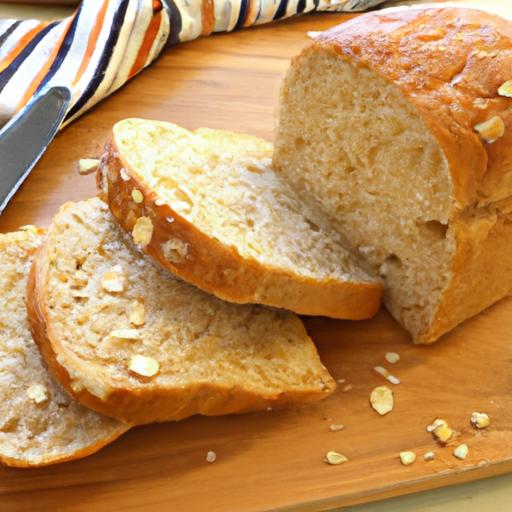

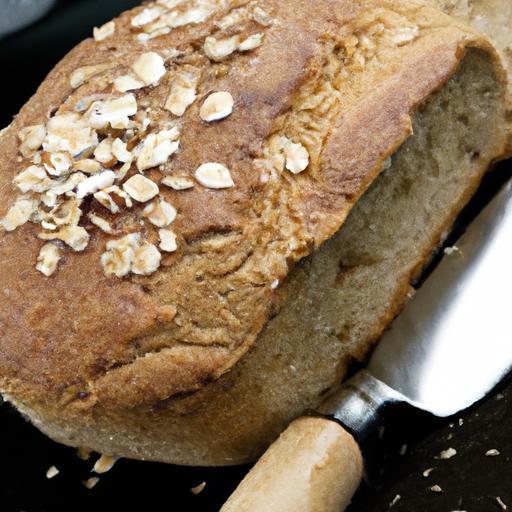
There’s something irresistibly comforting about the warm, nutty aroma of freshly baked bread wafting through the kitchen-especially when it’s honey oat bread, a golden loaf that marries wholesome grains with the natural sweetness of honey. This humble bread is more than just a breakfast staple or a sandwich base; it’s a story woven from ancient grains, buzzing bees, and time-honored baking traditions. In this article, we’ll dive into the delicious history, the nourishing ingredients, and the enduring appeal of honey oat bread-a true golden goodness that has earned its place on tables around the world.
Golden goodness: Unveiling the Roots and Rewards of Honey Oat Bread
Golden Goodness begins with a celebration of simple ingredients transforming into a loaf that carries warmth, history, and health in every slice. this beloved bread traces its origins back to hearty Northern European traditions, where oats and honey combined to create nourishing staples for cold climates.Over generations, honey oat bread evolved into an all-day favorite, prized not onyl for its subtle sweetness and rustic texture but also for its wholesome nutrition and comforting aroma. Whether toasted thick for breakfast or included in a light lunch, this bread’s gentle nutty undertones and tender crumb invite endless culinary creativity.
prep and Cook Time
- Readiness: 20 minutes
- Rising time: 1 hour 30 minutes
- Baking time: 35 minutes
- Total: Approximately 2 hours 25 minutes
Yield
One 9×5-inch loaf, slices about 12 servings
Difficulty Level
Medium – Ideal for home bakers familiar with yeast-based bread, but approachable with clear guidance.
Ingredients
- 3 cups all-purpose flour, sifted
- 1 cup rolled oats, plus extra for topping
- 1/4 cup honey, raw and golden
- 1 cup warm water (around 110°F/43°C)
- 2 1/4 tsp active dry yeast (1 packet)
- 2 tbsp unsalted butter, melted
- 1 tsp salt
- 1/3 cup buttermilk (or substitute with milk + 1 tsp lemon juice)
Instructions
- Activate the yeast: In a small bowl, combine warm water and honey. Sprinkle the yeast over the surface and stir lightly. Let it rest 5-10 minutes until foamy, indicating the yeast is alive.
- Mix dry ingredients: In a large mixing bowl, whisk together all-purpose flour, rolled oats, and salt.
- Combine wet ingredients: Pour the buttermilk and melted butter into the yeast mixture, stirring gently.
- Form the dough: Slowly add the wet mixture to the dry ingredients, stirring with a wooden spoon or dough hook until a shaggy dough forms. Transfer to a floured surface and knead for 8-10 minutes until smooth and elastic. The dough should be slightly sticky but manageable.
- First rise: Place the dough in a greased bowl,cover with a damp cloth or plastic wrap,and let it rise in a warm spot for about 1 hour or until doubled in size.
- Shape the loaf: Punch down the risen dough gently and transfer it to a lightly floured surface. Shape into a tight loaf and place it into a greased 9×5-inch bread pan.
- Final rise: Cover again and let the dough rest for 30-40 minutes until it puffs to the top of the pan.
- Prepare for baking: Preheat your oven to 375°F (190°C). Brush the loaf lightly with water or melted butter and sprinkle extra rolled oats on top for a rustic finish.
- Bake: Bake for 30-35 minutes until golden brown and the loaf sounds hollow when tapped. An instant-read thermometer inserted into the center should read 190°F (88°C).
- Cool: Allow the bread to cool on a rack for at least 1 hour before slicing to set the crumb.
Tips for Success
- Honey choice: Using raw,local honey enhances flavor depth and natural sweetness.
- Flour variation: Substitute up to 1 cup with whole wheat flour for an earthier taste and chewier texture, but reduce water slightly to compensate.
- Moisture balance: Keep an eye on dough hydration; oat flours and rolled oats absorb more water, so add small increments if dough feels too dry.
- Make-ahead: Dough can be prepared in advance and refrigerated overnight after the first rise.Allow it to reach room temperature and complete final rise before baking.
- Crispier crust: Place a small pan of water at the bottom of your oven during baking to create steam for a gorgeous crust.
Serving Suggestions to Elevate Your honey Oat Bread Experience
There’s a subtle sophistication to each slice coated with golden honey and dotted with hearty oats.This bread shines toasted with a pat of creamy butter and a sprinkle of flaky sea salt-perfect for breakfast or mid-afternoon snacks. Pair it with fresh avocado mash and a squeeze of lemon for a refreshing bite. For a cozy meal,stack slices layered with tangy goat cheese,ripe tomato,and fresh basil leaves. It also makes a delightful base for open-faced sandwiches featuring smoked turkey, crisp apple slices, and a drizzle of honey mustard.Garnishing with more oats or a light dusting of cinnamon sugar before baking elevates both texture and visual appeal beautifully.
For sweetening your mornings or adding crunchy contrast, consider homemade nut butters or a smear of ricotta mixed with a dash of lemon zest. The versatility of honey oat bread is truly an invitation to experiment and make each loaf your own golden masterpiece.
| Nutrient | Per Slice (1/12 of loaf) |
|---|---|
| Calories | 130 kcal |
| Protein | 4 g |
| Carbohydrates | 24 g |
| Fat | 2 g |
| Fiber | 2 g |
Discover how this recipe fits perfectly into a wholesome lifestyle – learn more by exploring our article on nutritional benefits of whole grains. For in-depth scientific insights into oats and honey, check this informative resource from the American Society for Nutrition.

Q&A
Q&A: Golden Goodness – The Delicious story of Honey Oat Bread
Q1: What makes honey oat bread so special compared to other breads?
A1: Honey oat bread stands out thanks to its perfect harmony of natural sweetness and hearty texture. the golden touch of honey adds a subtle, floral flavor that complements the nutty earthiness of oats. This combination creates a loaf that’s both nourishing and delightfully comforting-a bread that feels wholesome yet indulgent at every bite.
Q2: How did honey oat bread come to be a beloved staple in bakeries?
A2: The story of honey oat bread traces back to bakers who sought a bread that combined health and taste without compromise. Oats, prized for their nutrition and texture, found a natural partner in honey, an ancient sweetener celebrated for its flavor and preserving qualities. Over time, this pairing evolved into a bread that’s cherished for its golden crust, moist crumb, and rich, subtly sweet profile.
Q3: What role do oats play in the texture and nutrition of the bread?
A3: Oats are the unsung heroes of this bread, lending a pleasantly chewy bite and a gently nutty flavor. Beyond texture, oats bring a boost of fiber, vitamins, and minerals, making honey oat bread both delicious and beneficial for digestion and heart health. When nestled within the dough, oats also help retain moisture, keeping the bread fresh longer.
Q4: Why is honey a superior sweetener choice in this bread?
A4: Honey isn’t just a sweetener; it’s a flavor enhancer and natural preservative. Its gentle sweetness mingles beautifully with the oats, adding depth without overpowering the bread’s natural grain flavors. Moreover, honey helps keep the bread moist and extends its shelf life, making every slice taste freshly baked for days.
Q5: Can honey oat bread be customized for different tastes or dietary needs?
A5: Absolutely! Honey oat bread is wonderfully versatile. You can experiment by adding seeds like flax or chia for extra crunch and nutrition or swap whole wheat flour for gluten-free blends if needed. Just be sure that any substitutions harmonize with the bread’s signature balance of sweet and hearty to preserve that golden goodness.
Q6: How can honey oat bread be best enjoyed?
A6: This bread shines brightest in countless ways-fresh with a smear of creamy butter, toasted alongside jam or nut butter, or as the foundation for robust sandwiches packed with fresh veggies and cheeses. its natural sweetness and wholesome texture make it a perfect partner for both savory and sweet pairings throughout the day.Q7: What should bakers keep in mind when making honey oat bread at home?
A7: Patience and quality ingredients are key. Use pure, high-quality honey and rolled oats for the best results. Allow the dough enough time to rise so that the yeast can work its magic, and don’t rush the baking process-this ensures a tender crumb and beautifully browned crust. The aroma that fills your kitchen will be the perfect reward!
In Summary
From its humble ingredients to its warm, inviting aroma, honey oat bread is more than just a staple on your breakfast table-it’s a delicious testament to the harmony of nature and craftsmanship. This golden loaf, enriched by the sweetness of honey and the hearty texture of oats, carries a story of tradition, nutrition, and comfort baked into every slice. So next time you savor its tender crumb and subtle sweetness, remember you’re tasting a perfect blend of history and wholesome goodness-a truly golden delight that nourishes both body and soul.