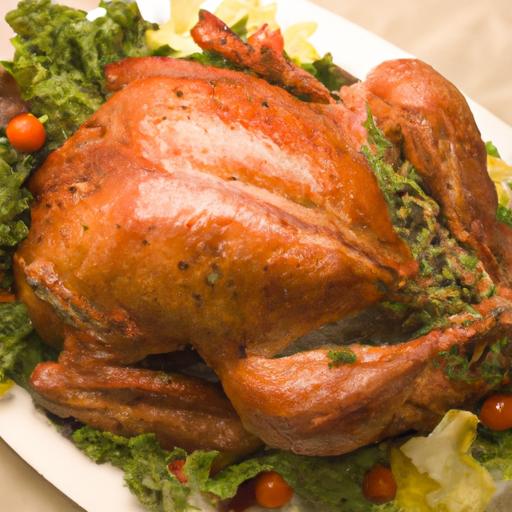

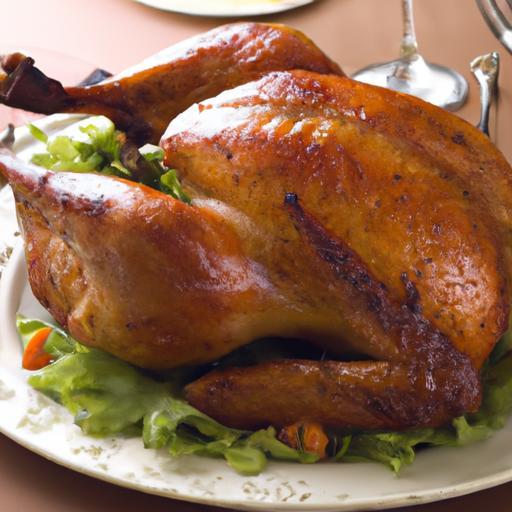
There’s nothing quite like the aroma of a perfectly roasted turkey wafting through the kitchen-a tantalizing promise of a feast to come. Yet, achieving that coveted juicy, tender bird is frequently enough shrouded in mystery and culinary mishaps.In “Mastering Good Eats Roast Turkey: Secrets to Juicy Perfection,” we unravel the art and science behind the legendary roast turkey that’s juicy to the last bite. From time-honored techniques to insider tips, this guide will empower home cooks to elevate their holiday centerpiece from ordinary to remarkable, ensuring every carve reveals moist, flavorful meat that delights the senses and gathers loved ones around the table in celebration.
mastering Good Eats Roast Turkey: Secrets to juicy Perfection
Mastering Good Eats Roast Turkey: Secrets to Juicy Perfection begins with selecting the ideal bird that promises robust flavor and tender moisture throughout. The journey to an unforgettable roast turkey involves deliberate choices – from the turkey’s origin to expert brining and roasting techniques that guarantee crispy, golden skin and succulent meat. Let’s dive into these essential culinary secrets that bring your holiday centerpiece to life like never before.
Prep and Cook Time
- Readiness: 45 minutes (plus 12-24 hours brining time)
- Cooking: 3 to 4.5 hours (depending on size)
- Total Time: Approximately 4 to 6 hours including resting
Yield
serves 8 to 12 guests, depending on turkey size and appetites.
Difficulty Level
Medium – perfect for confident home cooks eager to elevate their roasting skills with advanced brining and roasting methods.
Ingredients
- 1 whole fresh or thawed turkey (12-14 lbs),neck and giblets removed
- 1 cup kosher salt
- 1/2 cup brown sugar
- 1 tablespoon black peppercorns
- 4-5 bay leaves
- 4-5 sprigs fresh rosemary
- 4-5 sprigs fresh thyme
- 1 tablespoon whole allspice berries
- 1 gallon cold water
- 1/2 cup unsalted butter,softened
- 4 garlic cloves,minced
- 1 tablespoon lemon zest
- Fresh herbs for cavity (thyme,rosemary,sage)
- Black pepper and additional salt for seasoning
- Olive oil or more butter for skin
Instructions
- Choose your turkey wisely. Opt for a fresh or fully thawed turkey with a nice layer of fat under the skin to help baste the meat as it roasts, locking in moisture and flavor.
- Prepare the brine. In a large container, dissolve kosher salt and brown sugar in 1 gallon cold water. Add black peppercorns, bay leaves, rosemary, thyme, and allspice berries to infuse the brine with aromatic complexity.
- Submerge the turkey in the brine. Use a weight to keep it fully submerged. Refrigerate for 12 to 24 hours; this step helps to break down muscle proteins, resulting in juicier meat.
- remove and rinse. After brining, discard the brine, rinse the turkey thoroughly under cold water, and pat dry with paper towels. This is crucial for the skin to crisp up during roasting.
- Enhance the butter rub. Combine softened butter with minced garlic and lemon zest. Gently separate the skin from the breast and thighs, and spread the herbed butter underneath for deep, flavorful penetration.
- Season the exterior. Lightly rub the turkey skin with olive oil or softened butter, than sprinkle with freshly ground black pepper and a pinch of salt.
- Stuff the cavity. Place fresh sprigs of thyme, rosemary, and sage inside for fragrant steam that subtly perfumes the meat while roasting.
- Roast expertly. Preheat your oven to 325°F (165°C).Set the turkey breast-side up on a rack in a roasting pan. Tent loosely with foil for the first 2 hours, then remove foil to allow the skin to turn a deep golden brown and become crisp.
- Monitor temperature. Use a meat thermometer, checking the thickest part of the breast and thigh. The turkey is done when the breast reaches 160°F and the thigh 170°F. This ensures perfect juiciness without drying out.
- Rest thoroughly. Once roasted, transfer the turkey to a cutting board and cover lightly with foil. Rest for 30 to 45 minutes to allow juices to redistribute, locking in tenderness and flavor.
- Carve with care. Begin with the legs, then move to the breast. Use a sharp carving knife and slice against the grain to preserve texture and juiciness in every bite.
Chef’s Notes: Tips for Success
- Brine alternatives: For a quicker method, try a dry brine by rubbing kosher salt and herbs under the skin; allow 24-48 hours in the fridge uncovered for crispy skin.
- Butter variations: Mix in finely chopped fresh sage or a splash of citrus juice to complement the garlic and lemon zest.
- Oven placement: Position your rack in the lower third of the oven for more even heat around the turkey.
- resting matters: Resist the urge to carve immediately. Resting is the key to juicy slices and prevents drying out.
- Make-ahead: Brine the turkey the day before roasting and prepare the butter rub up to 24 hours ahead,keeping it covered in the fridge.
Serving Suggestions
Present your roast turkey on a large wooden board or elegant platter scattered with fresh herbs and lemon wedges for vibrant color contrast. Garnish slices with a drizzle of pan juices or warm herb gravy. Complement the main course with roasted root vegetables, homemade cranberry sauce, and a fresh green salad to offer a balanced plate that excites every palate.

| Nutrient | per Serving (1 slice) |
|---|---|
| Calories | 320 |
| Protein | 38g |
| Carbohydrates | 0g |
| Fat | 16g |
For an in-depth primer on complementary side dishes, visit our Classic Roast Vegetables post. To explore safe and proper turkey handling techniques trusted by food safety experts, check out the USDA’s guidelines here.
Q&A
Q&A: Mastering Good Eats Roast Turkey: Secrets to Juicy Perfection
Q1: What’s the secret to keeping a turkey juicy and tender rather than dry?
A1: The magic lies in moisture retention. Brining your turkey-either wet or dry-infuses the meat with salt and flavors, helping it retain moisture during roasting. Additionally, roasting at the right temperature and allowing the turkey to rest after cooking lets the juices redistribute, resulting in a juicy, tender bird.
Q2: How important is brining, and what’s the difference between wet and dry brines?
A2: brining is a game-changer for juicy turkey. A wet brine uses saltwater infused with herbs and aromatics, soaking the bird for hours or overnight. A dry brine involves rubbing salt and seasonings directly on the turkey’s skin and underneath it, allowing flavors to penetrate and the skin to crisp beautifully.both methods boost moisture and flavor-choose based on your prep preference!
Q3: Should I stuff the turkey to keep it moist?
A3: Stuffing the cavity can add flavor, but it can also slow cooking and lead to uneven temperatures. If you do stuff your turkey,make sure the stuffing reaches a safe temperature (165°F/74°C). For maximum moistness, cooking stuffing separately allows better heat control and faster cooking, helping the turkey roast evenly without drying out.
Q4: What roasting technique ensures the best texture and juiciness?
A4: Start with a high oven temperature (around 425°F/220°C) for the first 20-30 minutes to crisp the skin, then reduce to 325°F (165°C) and roast until done. This method locks in juices while developing a golden,crackling exterior. Tent the breast with foil if it’s browning to quickly to prevent drying.
Q5: How do I know when my turkey is perfectly cooked?
A5: The most reliable method is to use an instant-read thermometer. Insert it into the thickest part of the thigh without touching bone. The turkey is done when it reaches 165°F (74°C).Overcooking dries the meat, so keep a close eye on it in the final stages.
Q6: Any tips for seasoning beyond salt and pepper?
A6: Absolutely! Aromatics like garlic,rosemary,thyme,sage,and citrus zest bring layers of flavor. Slide fresh herbs and lemon slices under the skin or inside the cavity to infuse subtle fragrance. Butter or herb-infused oil rubbed beneath the skin adds richness and keeps the meat moist.
Q7: Can basting help keep the turkey juicy?
A7: Basting can add moisture to the surface but opening the oven frequently releases heat, lengthening cooking time. To keep juices inside,baste sparingly or choose to brush herb butter on the bird halfway through roasting instead.
Q8: What’s the role of resting the turkey after roasting?
A8: Resting is essential-it allows the muscle fibers to relax and reabsorb the juices that get pushed to the surface during cooking. Let the turkey rest, tented loosely with foil, for at least 20 minutes before carving. The difference is juicy, flavorful slices rather of dry, crumbly meat.
Q9: Are there tricks for achieving crispy, golden skin?
A9: Yes! Pat the skin dry before seasoning to reduce moisture, which helps it crisp up. A dry brine is especially effective here. Also, rubbing the skin with oil or melted butter before roasting promotes browning and adds that irresistible golden crunch.
Q10: How can I elevate my roast turkey presentation?
A10: Garnish with fresh herbs,citrus slices,and colorful roasted vegetables around the platter. Carve thoughtfully, slicing the breast meat and pulling apart the dark meat for easy serving. A beautifully arranged bird invites guests to savor every flavorful bite!
Closing Remarks
As the aroma of your perfectly roasted turkey fills the room, you’ll know that mastering Good Eats’ secrets isn’t just about following a recipe-it’s about embracing a culinary craft that transforms a simple bird into a centerpiece of juicy perfection. With each tender, flavorful slice, you celebrate the harmony of technique, patience, and passion that turns every roast into a feast to remember. So next time you carve into your masterpiece, remember: the true secret lies not just in the method, but in the joy of sharing good eats with those you love. Happy roasting!