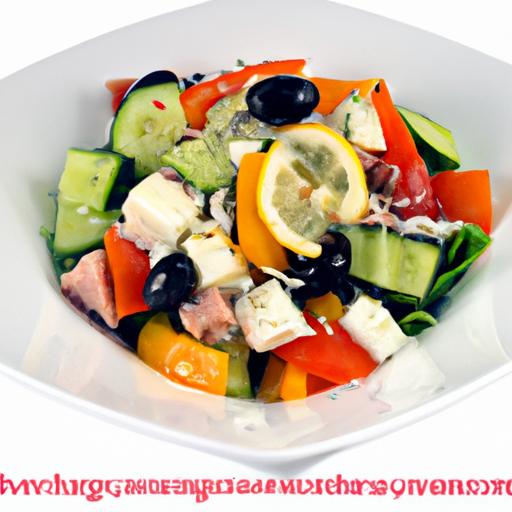


Bask in the vibrant flavors of the Mediterranean with the timeless allure of a Classic Greek Salad. Bursting with sun-ripened tomatoes, crisp cucumbers, briny olives, and creamy feta, this salad is more than just a side dish-it’s a celebration of simplicity and freshness.Steeped in tradition and rich with wholesome ingredients, the Mediterranean Delight offers a perfect balance of tangy, salty, and herbaceous notes that transport you straight to the sun-soaked shores of Greece. Whether enjoyed as a light lunch or a colorful companion to your favorite grilled dishes, this salad embodies the heart of Mediterranean cuisine: healthy, appetizing, and effortlessly elegant.
Mediterranean Delight: Classic Greek Salad with Feta & Olives
Mediterranean Delight: classic Greek Salad with Feta & Olives is much more than just a refreshing dish-it’s a celebration of sun-soaked coastal flavors and vibrant cultural heritage. Originating from the Mediterranean basin, this iconic salad perfectly captures the spirit of Greece, where simple, fresh ingredients harmonize to create something truly timeless. From the cobblestone streets of Athens to seaside tavernas on the Aegean islands, this salad tells a story of tradition, community, and the joy of sharing wholesome food.
Origins and Cultural significance of the Classic Greek Salad
Often referred to as “Horiatiki” (meaning village salad in Greek), this dish emerged as a staple in rural Greek life, where farmers and fishermen combined what the land and sea abundantly provided.The salad’s composition-chunky cucumbers, ripe tomatoes, crisp green peppers, pungent red onions, briny olives, and creamy feta cheese-embodies the essence of Mediterranean agriculture and lifestyle. It serves as a vibrant, rustic meal that honors the Mediterranean diet, celebrated for its health benefits and vibrant flavors. Enjoying this salad is not only a sensory pleasure but also a participation in a centuries-old dietary tradition.
Selecting the Freshest Ingredients for Authentic Flavors
The hallmark of a perfect Greek salad is clearly the freshness and quality of its ingredients.When choosing vegetables, seek out vine-ripened tomatoes that are firm yet juicy, and crisp English cucumbers with bright green skin. The crunch and sweetness of fresh green bell peppers balance the salad’s layers. Opt for small red onions-sweet but with a slight sharpness. Authentic Kalamata olives, glossy and dark purple, offer a rich, fruity saltiness that elevates every bite.
Most importantly, the salad demands high-quality feta cheese. Conventional Greek feta is made from sheep’s milk or a mixture of sheep and goat milk, which gives it a crumbly texture and distinct tang. Avoid overly processed or pre-crumbled feta to preserve that silky creaminess and authentic flavor. Look for blocks wrapped in brine to maintain optimal moisture and depth.
Mastering the Art of the perfect Feta and Olive Combination
The combination of feta and olives is the soul of this dish, and mastering their balance is crucial. Rather than shredding, cut feta into substantial chunks or slabs that hold their shape, providing creamy bursts amidst crisp veggies. Gently toss rather than fully mixing the feta, allowing pockets of flavor to shine through. Likewise, scatter olives thoughtfully-not too many to overpower, but enough to deliver a briny counterpoint that complements the salad’s freshness.
Tips for Crafting a Vibrant Dressing That Elevates Every Bite
A simple dressing of extra virgin olive oil, red wine vinegar, dried oregano, and a pinch of sea salt is the secret to tying all ingredients together. Use a cold-pressed Greek olive oil for fruity, peppery notes that lift the salad’s flavors. Balance acidity carefully with vinegar-too much can dominate, too little can leave the salad flat. Whisk the ingredients until emulsified,and drizzle generously over the salad just before serving to keep vegetables crisp and fresh. Adding a hint of freshly cracked black pepper brings subtle warmth and depth.
Prep and Cook Time
- Planning: 15 minutes
- Cook Time: None (assembly only)
- Total Time: 15 minutes
Yield
Serves 4 generously as a side or light main course.
Difficulty Level
easy
Ingredients
- 3 medium vine-ripened tomatoes, chopped into large chunks
- 1 large English cucumber, peeled and sliced thickly
- 1 green bell pepper, seeded and thinly sliced
- 1 small red onion, thinly sliced into rings
- 150g Kalamata olives, pitted
- 200g block of authentic Greek feta cheese, cut into thick cubes
- 4 tbsp extra virgin olive oil (preferably Greek)
- 2 tbsp red wine vinegar
- 1 tsp dried oregano
- Sea salt, to taste
- Freshly ground black pepper, to taste
Instructions
- In a large salad bowl, combine the chopped tomatoes, sliced cucumber, green bell pepper, and red onion. Gently toss to distribute evenly.
- Add the Kalamata olives, scattering them evenly but not stirring too vigorously to maintain texture.
- Carefully place the feta cubes on top without breaking them, creating visual appeal and textural contrast.
- In a small bowl, whisk together the extra virgin olive oil, red wine vinegar, dried oregano, a pinch of sea salt, and a few cracks of black pepper, until the dressing becomes slightly emulsified.
- Drizzle the dressing evenly over the salad just before serving to preserve the crispness of the vegetables.
- Serve immediately, garnished optionally with a few fresh oregano sprigs or lemon wedges for an added zing.
Tips for Success
- Use room temperature vegetables: This enhances flavor release and texture.
- Don’t over-dress: Add the dressing in stages if preferred, to avoid soggy salad.
- Feta alternatives: for a dairy-free option, try firm tofu marinated with lemon and herbs.
- Make-ahead: Prepare vegetables in advance but add feta and dressing just before serving.
- Fresh herbs like oregano or mint can be sprinkled to add complexity and freshness.
Serving Suggestions
This Mediterranean Delight pairs perfectly with warm pita bread or as a side to grilled seafood or lemon-herb chicken. For an authentic experience, serve on a rustic ceramic plate to showcase the vibrant reds, greens, and whites. Garnish with fresh oregano, a drizzle of extra olive oil, and a sprinkle of flaky sea salt to elevate every bite.

| Nutrient | Per Serving (approx.) |
|---|---|
| Calories | 220 kcal |
| Protein | 6 g |
| Carbohydrates | 10 g |
| Fat | 18 g |
Explore more wholesome Mediterranean recipes like our Mediterranean Chickpea and Feta Stew for a delightful weeknight dinner.For nutritional details and the cultural background of Greek salads, visit the Encyclopaedia Britannica’s entry on Greek Salad.
Q&A
Q&A: Mediterranean Delight – Classic Greek Salad with Feta & Olives
Q1: what makes a Greek salad truly authentic?
A1: An authentic Greek salad is a vibrant celebration of fresh, simple ingredients.Crisp cucumbers, ripe tomatoes, sweet red onions, tangy Kalamata olives, and creamy, crumbly feta cheese come together, dressed lightly with olive oil and a splash of red wine vinegar. Fresh oregano or dried oregano adds the perfect herbal note, making each bite a burst of Mediterranean sunshine.
Q2: Can I use any type of olives in a Greek salad?
A2: While you can experiment, the traditional choice is Kalamata olives. Their deep purple color and rich, fruity flavor are iconic to Greek cuisine. They bring a briny brightness that complements the mild feta and fresh vegetables beautifully.
Q3: How do I ensure the feta cheese doesn’t overpower the salad?
A3: Feta is deliciously tangy and salty, so balance is key. Use a good-quality feta and crumble it sparingly over the salad-think of it as the final flourish rather than the main event. Freshness of the other ingredients also helps prevent the feta from dominating, letting all flavors shine in harmony.
Q4: Is ther a secret to achieving the perfect dressing?
A4: The dressing is simple but crucial. Use extra virgin olive oil for richness and silky texture, a splash of red wine vinegar for acidity, a pinch of dried oregano for earthiness, and a little sea salt and cracked black pepper to enhance every note. Whisk these gently and drizzle just before serving to keep the salad crisp.
Q5: Can I prepare the salad in advance?
A5: Greek salad is best enjoyed fresh to preserve the crunch of the vegetables and the creamy texture of the feta. If you need to prepare ahead, keep the dressing separate and add it right before serving. This ensures the salad stays vibrant without turning soggy.
Q6: What are some simple additions to elevate this salad?
A6: For a heartier twist, add slices of avocado or toss in some toasted pine nuts for crunch. Fresh herbs like mint or basil introduce a bright freshness. Roasted red peppers can lend a smoky sweetness, turning this classic into a delightful Mediterranean feast.
Q7: Is Greek salad suitable for special diets?
A7: Absolutely! Greek salad is naturally vegetarian and gluten-free, packed with wholesome vegetables and healthy fats.It’s a refreshing,nutrient-rich option that fits beautifully into many dietary lifestyles.
Q8: How can I serve Greek salad to highlight its Mediterranean roots?
A8: Serve Greek salad alongside warm pita bread or a plate of grilled vegetables like zucchini and eggplant. It pairs wonderfully with grilled seafood or as part of a mezze spread featuring hummus, tzatziki, and dolmas, bringing the flavors and spirit of the Mediterranean right to your table.
to sum up
As the vibrant colors and bold flavors of the Classic Greek Salad settle on your palate, your reminded that this simple dish is much more than just a salad-it’s a celebration of Mediterranean heritage and culinary artistry. With every bite of crisp cucumbers, sun-ripened tomatoes, briny olives, and creamy feta, you’re tasting the essence of Greece itself. Whether enjoyed as a refreshing side or a light main,this Mediterranean delight invites you to savor wholesome ingredients and timeless tradition in one bowl. So next time you seek a burst of sunshine on your plate, remember that the classic greek salad is always ready to transport you straight to the heart of the Aegean. opa!