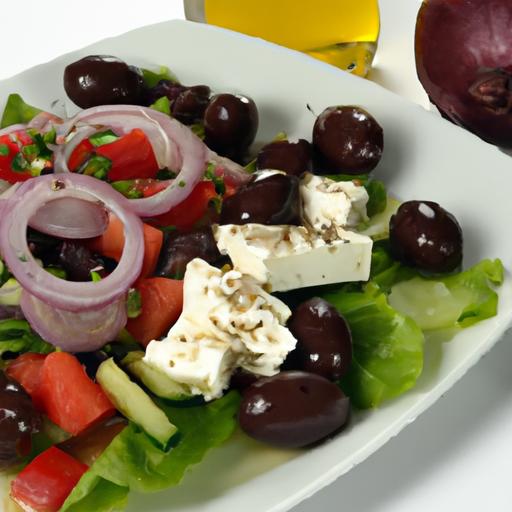

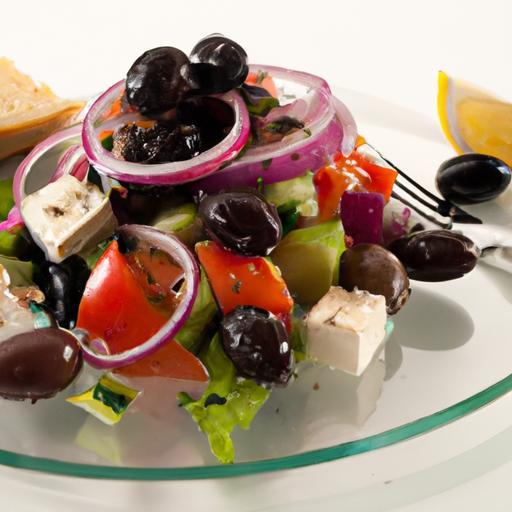
Beneath the sun-drenched skies of the Mediterranean, where ancient olive trees whisper tales of time, a simple yet vibrant dish has captured the hearts and palates of food lovers worldwide: the classic Greek salad. Far more than just a medley of fresh vegetables, this colorful plate is a party of heritage, health, and harmony-a culinary embodiment of Greece’s rich culture and bountiful land. In this article, we dive deep into the origins, ingredients, and enduring appeal of the Mediterranean delight known as the Greek salad, uncovering what makes it a timeless favorite on tables across the globe.
Origins and Cultural Meaning of the Classic Greek Salad
Mediterranean delight recipes like the Classic Greek salad celebrate the vibrant simplicity and fresh flavors intrinsic to southern European cuisine.Rooted in the sun-kissed island families of Greece, this salad embodies more than just a refreshing dish-it’s a symbol of community, health, and tradition. Historically, Greek farmers created this salad using only what the earth and sea offered: crisp garden tomatoes, creamy feta, tangy olives, and fresh herbs. it became a refreshing lunch after long days in the fields, pairing beautifully with rustic bread and regional olive oils.
Over centuries,this salad transcended its humble origins to become a global ambassador of Mediterranean cuisine,prized for its harmony of textures and bold flavor contrasts. In Greek culture, sharing this salad at the table reflects warmth, hospitality, and a celebration of simple, quality ingredients-a timeless reminder that good food is at the heart of every gathering.
Essential Ingredients and How to Choose the Freshest Produce
Crafting the perfect mediterranean delight salad starts by selecting the freshest, ripest ingredients, as each component brings both texture and vibrant flavor that define the dish. Here’s what to look for:
- Tomatoes: Opt for firm, ripe vine tomatoes or heirlooms with deep colour and a fragrant aroma. avoid overly soft or green-tinged tomatoes as they lack flavor.
- Cucumbers: Select smaller, thinner-skinned cucumbers, like English or Persian varieties, for their crisp texture and minimal seeds.
- Red Onions: Choose crisp,radiant red onions with tight skins; mild varieties reduce pungent bite but retain sweetness.
- Kalamata Olives: Authentic, plump Kalamata olives are essential-look for deep purple color with a glossy finish.
- Feta Cheese: Pick a good-quality block of feta made from sheep’s or goat’s milk, ideally stored in brine for moisture and tanginess.
- Fresh Herbs: Fresh oregano or basil, ideally harvested the same day, offer aromatic lift to the salad.
- Extra Virgin Olive Oil: Use a robust, fruity Mediterranean olive oil for dressing; quality here elevates every bite.
Step-by-Step Guide to Crafting the Perfect Greek Salad Dressing
No Mediterranean Delight salad is complete without the perfectly balanced dressing that ties the flavors together. This dressing is elegantly simple, yet when crafted carefully, it provides a luscious, tart, and herbal pulse beneath every crisp bite.
- Prepare the base: In a small bowl, whisk together 3 tablespoons of extra virgin olive oil and 1 tablespoon of fresh lemon juice for brightness.
- Add acidity: Stir in 1 tablespoon red wine vinegar-this mellows and sharpens the dressing with subtle fruitiness.
- Season: Incorporate 1 teaspoon dried oregano,1/2 teaspoon sea salt,and freshly ground black pepper to taste,whisking until well-emulsified.
- Optional touch: A small garlic clove,finely minced,can be added for a gentle pungency that doesn’t overpower.
- Final taste test: Adjust acidity or seasoning as desired.The dressing should be bright but balanced, with oiliness and tang playing equal roles.
This dressing can be made ahead and stored covered in the fridge for up to 3 days; simply whisk again before use to reincorporate any separated oil.
Creative Variations and Serving Suggestions to Elevate Your Salad Experience
While the classic Mediterranean Delight salad commands attention, exploring creative twists can make it your signature dish. Consider these inspiring variations:
- Add roasted vegetables: Charred sweet peppers or grilled zucchini add smoky warmth and soften the fresh crunch.
- Incorporate grains: Toss in a handful of cooked quinoa or farro to transform the salad into a more substantial, satisfying meal.
- Introduce texture: Toasted pine nuts or almonds lend a buttery crunch that complements creamy feta beautifully.
- Herbal refresh: Try mint or dill for a new herbal dimension that brightens every forkful.
- Seasonal fruit: pomegranate seeds or sliced figs add bursts of sweetness and jewel-like visual appeal, especially during festive occasions.
Serve this salad chilled or slightly room temperature.Accompany it with warm, crusty artisan bread or pair alongside grilled seafood or chicken for a complete Mediterranean feast. Garnish with additional fresh oregano sprigs and a drizzle of olive oil for an inviting, rustic presentation.
Prep and Cook time
- Prep Time: 15 minutes
- Cook Time: 0 minutes (dressing prep: 5 minutes)
- Total Time: 20 minutes
Yield
- Serves 4 as a side dish
Difficulty Level
- Easy
Ingredients
- 4 medium ripe tomatoes, cut into wedges
- 1 large cucumber, peeled and sliced into half-moons
- 1 small red onion, thinly sliced
- 1 cup Kalamata olives, pitted
- 7 ounces block feta cheese, cut into cubes or large crumbles
- 1 tablespoon dried oregano (for dressing and garnish)
- 3 tablespoons extra virgin olive oil (plus more for drizzling)
- 1 tablespoon fresh lemon juice
- 1 tablespoon red wine vinegar
- Salt and freshly ground black pepper, to taste
- Optional: 1 garlic clove, finely minced (for dressing)
Instructions
- Prepare the produce: Wash all vegetables thoroughly. Cut tomatoes into bite-size wedges and cucumber into thin, half-moon slices. Thinly slice the red onion and gently rinse under cold water if you prefer to soften its pungency.
- Combine salad ingredients: In a large bowl, gently toss tomatoes, cucumber, red onions, and Kalamata olives, taking care not to crush the delicate tomatoes.
- Make the dressing: Whisk together olive oil, lemon juice, red wine vinegar, dried oregano, salt, pepper, and minced garlic (if using) until fully emulsified.
- Toss salad with dressing: Pour the dressing over the vegetables and mix lightly but thoroughly for even coating.
- Add feta cheese: Scatter feta cubes or crumbles on top, adding a final sprinkle of dried oregano for aroma.
- Finish and serve: Drizzle a little extra olive oil over the salad before serving and garnish with oregano sprigs or basil leaves for a fresh pop of color.
Chef’s Notes and Tips for Success
- Produce freshness is key: Choose high-quality, seasonal vegetables to ensure natural sweetness and texture. Avoid overripe tomatoes that may cause the salad to become watery.
- Feta alternatives: For a dairy-free option, try marinated tofu or a nut-based cheese substitute while maintaining the essential tang.
- Make ahead: prep the vegetables and dressing separately and assemble just before serving to keep textures crisp and vibrant.
- Olive oil quality: Invest in a premium cold-pressed extra virgin olive oil as it profoundly impacts the final flavor.
- Storage: Leftovers keep well refrigerated for up to 24 hours but are best enjoyed fresh to savor the bright flavors.
Serving Suggestions
This Mediterranean Delight salad thrives when presented in a wide, shallow bowl or rustic wooden platter. Garnish with fresh herbs like oregano or basil for eye appeal and aroma. Pair it with warm pita bread or whole grain baguette slices to scoop up every luscious bite.
It also complements grilled dishes brilliantly-consider serving alongside lemon herb chicken, grilled shrimp, or charred eggplant for a full Mediterranean-style feast. A sprinkle of toasted pine nuts or a dollop of creamy tzatziki alongside can enrich the experience further.
| Nutrient | Per Serving |
|---|---|
| Calories | 210 kcal |
| Protein | 6 g |
| Carbohydrates | 12 g |
| Fat | 16 g |

For more mediterranean-inspired recipes,check out our Grilled Vegetables Medley. To dive deeper into the nutritional profile of this cuisine, visit Medical News Today – Mediterranean Diet.
Q&A
Q&A: Mediterranean Delight: Exploring the Classic Greek Salad
Q1: What makes a Greek salad truly “classic”?
A1: the classic Greek salad, or “Horiatiki,” is a vibrant medley of fresh, simple ingredients that celebrate the flavors of the Mediterranean. It typically features ripe tomatoes,crisp cucumbers,sweet red onions,briny Kalamata olives,and creamy feta cheese,all dressed with high-quality extra virgin olive oil and a sprinkle of dried oregano. Unlike other salads, it traditionally omits lettuce, focusing rather on chunky, rustic cuts that highlight each component’s texture and freshness.
Q2: Why is feta cheese so critically important in a Greek salad?
A2: Feta cheese brings a unique creamy tang that balances the salad’s bright vegetables and salty olives. Made from sheep’s or goat’s milk, feta adds a rich, tangy flavor and crumbly texture, making each bite more decadent and authentic.its salty notes complement the sweetness of the tomatoes and the pungency of the onions, creating a delicious harmony of tastes.
Q3: Can the dressing affect the salad’s authenticity?
A3: Absolutely! The dressing is deceptively simple but essential. A classic Greek salad is dressed with just olive oil, a dash of red wine vinegar or lemon juice, and a pinch of dried oregano. This minimalist approach lets the fresh ingredients shine, enhancing their natural flavors without overpowering them. Overdressing can mask the salad’s crispness, so a light hand is key.
Q4: Are there regional variations of the Greek salad in Greece?
A4: Yes! While the core ingredients remain consistent, subtle regional twists exist. For example,some coastal areas might add capers or fresh herbs like dill,while mountain villages may incorporate green bell peppers for an extra crunch. However, irrespective of these nuances, the salad’s spirit-freshness, balance, and simplicity-stays intact.
Q5: What role do olives play beyond flavor in a greek salad?
A5: Kalamata olives do more than bring a rich,salty bite; they are a symbol of the Mediterranean diet’s heart and heritage.Their deep purple color adds visual appeal, and their naturally briny flavor contrasts beautifully with the mildness of the cucumbers and the acidity of the tomatoes. Nutritionally,olives provide healthy fats and antioxidants,making the salad as wholesome as it is delicious.
Q6: How can someone best enjoy a Greek salad?
A6: Greek salad is versatile-it can be a refreshing appetizer, a vibrant side dish, or a light main course when paired with crusty bread or grilled vegetables. To enjoy it at its best, serve it fresh and chilled, ideally made just before eating to preserve the crispness.The combination of textures-from juicy tomatoes to creamy feta-makes it a joyous eating experience with every forkful.
Q7: Is it possible to create a vegan version of the classic Greek salad without losing its essence?
A7: Definitely! To craft a vegan Greek salad, simply substitute feta with a plant-based cheese alternative that mimics feta’s tangy creaminess, or use marinated tofu cubes seasoned with lemon and oregano.The remaining ingredients-tomatoes, cucumbers, olives, onions, and olive oil-remain the same, preserving the salad’s authentic Mediterranean zest.
Q8: What season is best for enjoying a Greek salad?
A8: Summer reigns supreme for Greek salad, as the peak season for juicy tomatoes and crisp cucumbers lends itself to the freshest flavors. However, thanks to modern agriculture, these ingredients are often available year-round, offering a taste of the mediterranean sunshine even in the cooler months.
This Q&A unpacks the layers of the classic Greek salad, inviting readers to savor its simplicity and timeless character with every bite.
In Retrospect
As our journey through the vibrant layers of the classic greek salad comes to a close, it’s clear that this Mediterranean delight is much more than just a simple dish. Each crisp cucumber,sun-ripened tomato,briny olive,and creamy cube of feta carries with it centuries of tradition and a celebration of fresh,wholesome ingredients. Whether enjoyed as a light meal or a colorful side, the Greek salad invites us to savor the essence of the Mediterranean-where health, history, and hearty flavors come together in perfect harmony. So next time you reach for a salad bowl, let the crisp, tangy notes of a classic Greek salad transport you straight to the sun-soaked shores of Greece, reminding us all that sometimes, the simplest combinations bring the greatest joy.