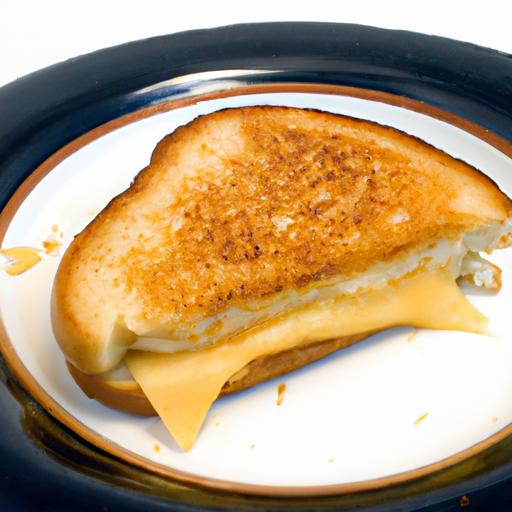

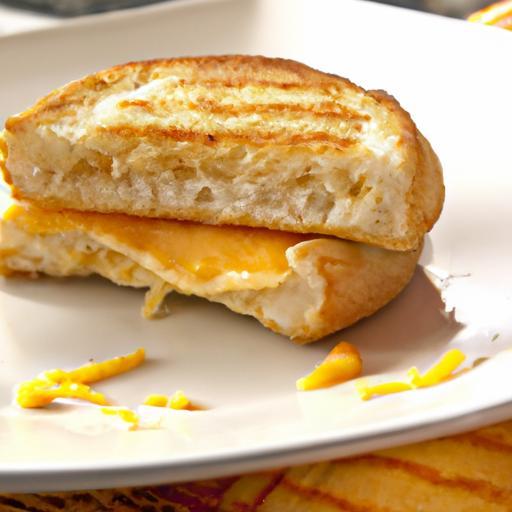
There’s something undeniably magical about the humble grilled cheese sandwich-a golden, crispy exterior giving way to a luscious, molten core of melted cheese. More than just comfort food, the grilled cheese is a culinary canvas where art meets science, inviting both creativity and precision. In “Melting Moments: The Art and Science of grilled Cheese,” we journey beyond the simple sandwich to explore the alchemy of heat and dairy, the perfect bread-to-cheese ratio, and the subtle techniques that transform this everyday staple into a gourmet masterpiece.Weather you’re a curious foodie or a devoted sandwich lover, prepare to unlock the secrets behind that irresistibly gooey bite that has captivated taste buds for generations.
Melting Moments revolves around crafting the quintessential grilled cheese sandwich that boasts a golden crispy crust paired with a luscious, perfectly melted center. From selecting the ideal bread to mastering heat control and experimenting with cheese blends, each element harmonizes to deliver an unforgettable bite that elevates this comfort classic to culinary art.
Prep and Cook Time
- Preparation: 10 minutes
- Cooking: 12 minutes
- Total Time: 22 minutes
Yield
Serves 2 generously sized sandwiches.
Difficulty Level
Easy – perfect for home cooks looking to level up a simple favorite.
the Perfect Bread for a Golden Crispy Crust
Choosing the right bread is basic to achieving that coveted crunch and color contrasted by a tender crumb. Opt for sourdough or artisan country loaves with a flaky crust and an open crumb, which soak up butter without becoming soggy. Thick, slightly stale slices hold the cheese better and brown evenly, creating a crackly shell full of texture and flavor that invites you to crunch right in.
Choosing Cheese Blends for Ultimate Melt and Flavor
Balance sharpness,creaminess,and meltability by combining cheddar with mozzarella or fontina. Sharp aged cheddar delivers boldness, while mozzarella offers that coveted stretchy pull. Fontina adds a subtly nutty background that melts silky and smooth. For a twist, incorporate a pinch of grated Parmesan or a few dabs of creamy ricotta on the inside for luscious layers of richness.
Mastering Heat Control for an Evenly Melted Masterpiece
Low and slow is the guiding mantra here. Start cooking over medium-low heat to gently melt your cheese without scorching the bread. resist temping up the burner too quickly – patience lets the interior cheese liquefy while the exterior crisps to a golden-brown masterpiece. Use a heavy-bottomed skillet or cast iron pan for steady heat distribution and flip carefully once the first side is evenly toasted.
Creative Twists to Elevate Your Classic Grilled Cheese
Add radiant, crunchy layers like thinly sliced apples, caramelized onions, or fresh herbs-thyme and basil work wonders. For a lux touch, spread a thin layer of Dijon mustard or a swipe of sun-dried tomato pesto beneath the cheese. Experiment with breads like garlic focaccia or olive-studded ciabatta to introduce savory nuances that harmonize beautifully with your cheese blend. The result? A grilled cheese that surprises the palate and captivates with every bite.
Ingredients
- 4 slices artisan sourdough bread, lightly stale
- 2 tablespoons unsalted butter, softened
- 3/4 cup sharp cheddar cheese, shredded
- 1/2 cup mozzarella cheese, shredded
- 1/4 cup fontina cheese, shredded
- Optional toppings: 1/4 cup caramelized onions, 1 small apple thinly sliced, fresh thyme leaves
- Optional spread: 1 teaspoon Dijon mustard or sun-dried tomato pesto
Instructions
- butter one side of each slice of bread generously but evenly. The buttered side will be the exterior for toasting.
- On the unbuttered side, layer cheese blends evenly: start with a mix of cheddar and fontina, then top with mozzarella for stretchiness.
- Add any optional fillings like apple slices or caramelized onions on top of the cheese,then sprinkle fresh thyme leaves if using.
- close the sandwich with the second slice, buttered side facing out.
- Heat a heavy skillet or cast iron pan over medium-low heat. Place sandwiches in the pan and cook slowly for about 5-7 minutes without flipping too early, until the underside is golden and crisp.
- Carefully flip the sandwich with a spatula and cook the other side for another 5 minutes or until golden brown and all cheese is melted inside.
- Remove from heat and let rest briefly before cutting diagonally for a stunning cheese pull that impresses visually and sensorially.
Tips for Success
- Use softened butter for easy spreading and even browning.
- If your bread is too fresh and soft, toast it lightly beforehand to prevent sogginess.
- Cover the pan loosely with a lid during cooking to trap heat and encourage better melt inside without burning the crust.
- For a dairy-free option, replace cheese with plant-based melts designed for good stretch and flavor.
- Make ahead: Assemble sandwiches and wrap tightly.Refrigerate for up to 24 hours before cooking.
Serving Suggestions
Serve these golden masterpieces alongside a vibrant tomato basil soup for dipping – the acidic brightness cuts through richness beautifully. Garnish with freshly ground black pepper and a sprinkle of chopped chives or microgreens for a pop of color and freshness. A crisp pickle or a handful of kettle-cooked chips on the side completes the perfect nostalgic and elevated meal.
| Nutrient | Per Sandwich |
|---|---|
| Calories | 480 kcal |
| Protein | 22 g |
| Carbohydrates | 38 g |
| Fat | 25 g |

Explore more in our Ultimate Guide to Cheese Pairings to customize your Melting Moments experience. For science on cheese melting properties,visit Exploratorium’s Cheese Melting Science.
Q&A
Q&A: Melting Moments: The Art and science of Grilled Cheese
Q1: what makes a grilled cheese sandwich truly stunning?
A1: The magic lies in the perfect balance of crispy, buttery bread and velvety, molten cheese. When the bread crisps to a golden brown while the cheese melts evenly inside, each bite becomes a harmonious blend of texture and flavor – that satisfying crunch paired with rich creaminess creates an unforgettable comfort food experience.
Q2: Is there a “best” type of bread for grilled cheese?
A2: The “best” bread frequently enough depends on personal preference, but sturdiness and flavor are key. Classic white sandwich bread is beloved for its soft crumb and ability to crisp up nicely. Though, hearty sourdough or a rustic country loaf add tang and depth, while whole grain breads offer a nuttier profile. The bread’s ability to hold the melty cheese without falling apart is essential.
Q3: How do different cheeses affect the final grilled cheese?
A3: Cheese is the star, and each variety brings its own personality. Cheddar offers sharp, tangy notes and smooth melting; mozzarella provides gooey stretchiness with mild, milky flavors; Gruyère adds a nutty complexity; and fontina melts silky and buttery. Combining cheeses can create layers of flavor and texture, elevating a simple sandwich into an artisanal delight.
Q4: What’s the science behind achieving that perfect cheese melt?
A4: Cheese is made of proteins and fats that respond to heat in distinct ways. As the sandwich heats,proteins unwind and fats soften,causing the cheese to become stretchy and creamy. Too much heat too fast can seperate fats and create greasiness, while too little heat leaves the cheese firm and unmelted. cooking low and slow ensures even heat penetration and that glorious “pull” from melted cheese.
Q5: Can the choice of cooking fat influence the grilled cheese experience?
A5: Absolutely! Butter is the classic choice, imparting rich, nutty flavors and encouraging browning through the maillard reaction. However, oils like olive oil or a blend can introduce different aroma notes or a lighter texture. Some opt for mayonnaise spread on the bread’s exterior, which can create an ultra-crisp, golden crust with a subtle tang.
Q6: Are there creative ways to elevate a grilled cheese without overpowering it?
A6: Yes! Adding a whisper of herbs like thyme or chives can brighten the palate, while caramelized onions or roasted red peppers contribute sweetness and depth. The key is subtlety-enhancements should support, not overshadow, the star: the melty cheese experience.
Q7: How important is the cooking temperature and method?
A7: Crucial! A moderate temperature allows the bread to brown evenly and the cheese to melt fully without burning. Pan-frying in a skillet gives great control, letting you adjust heat as needed. Pressing down lightly with a spatula helps achieve even contact and golden crusts. Some adventurous cooks use a sandwich press or griddle, but the simple skillet remains the perfect tool for that nostalgic, golden melt.
Q8: What’s the best way to serve and enjoy grilled cheese?
A8: Serve your grilled cheese hot from the pan, when the cheese is at its meltiest state and the crust is crispest. Pair it with a bowl of comforting tomato soup or a fresh crisp salad for contrast. Eating it with bare hands lets you fully appreciate the tactile joy of gooey cheese and crackling bread, turning each bite into a moment of pure delight.
Whether you’re a purist seeking the classic warm embrace of cheddar on white or an experimenter crafting new flavor symphonies, understanding the interplay of art and science behind grilled cheese invites you to savor every melting moment.
The Conclusion
As the final slices of golden, gooey grilled cheese disappear, we’re reminded that this simple comfort food is much more than melted dairy between bread. It’s a delicate interplay of heat and texture, chemistry and creativity-a testament to how everyday ingredients can transform into something extraordinary. Whether you savor the classic version or experiment with unexpected fillings and artisanal breads, the grilled cheese invites us all to appreciate the art and science behind every perfect, melting moment. So next time you cradle that warm, crispy sandwich in your hands, remember: you’re tasting the appetizing result of culinary magic and mindful technique, coming together in a timeless dance of flavor and warmth.