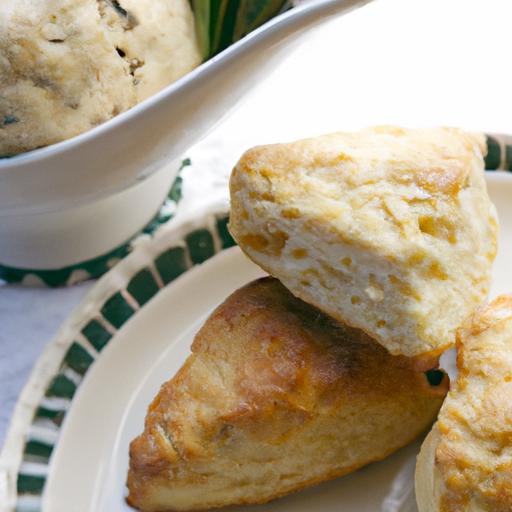

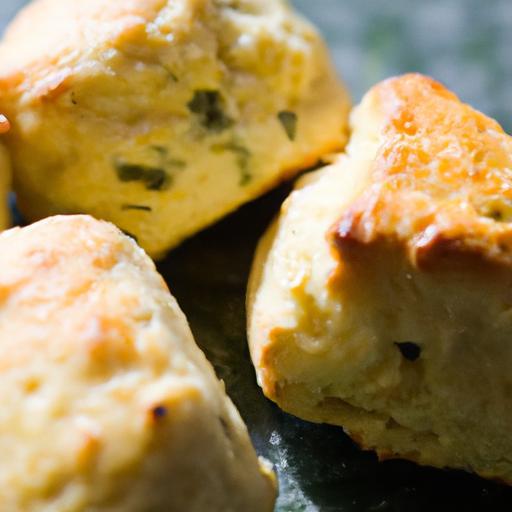
There’s somthing irresistibly comforting about the warm, buttery aroma of freshly baked scones wafting through the kitchen-especially when those scones are infused with the rich flavors of sharp cheese and fragrant herbs.Thes savory delights are much more than a teatime treat; they’re a versatile staple that can transform any meal or snack into a moment of pure indulgence. In this article, we’ll explore the art and science behind mastering cheese and herb scones at home, unraveling the secrets to achieving that perfect tender crumb, golden crust, and mouthwatering burst of flavor in every bite. Whether you’re a seasoned baker or a curious beginner, get ready to elevate your baking repertoire and fill your home with the unmistakable scent of homemade goodness.
Savory delights: mastering cheese and herb scones at home unlocks a world of mouthwatering aroma and irresistible textures that elevate your baking prowess. The classic British-inspired scone meets a savory twist with a harmonious marriage of sharp cheeses and fragrant herbs, creating a treat perfect for breakfast, brunch, or an elegant afternoon tea. Drawing on years of culinary exploration,this recipe post guides you through selecting the perfect cheese and herb combinations,mastering techniques for achieving tender,fluffy interiors,and baking to golden perfection.
Prep and Cook Time
- Preparation: 15 minutes
- Resting Time: 10 minutes
- baking Time: 15-20 minutes
- Total Time: Approximately 45 minutes
Yield
About 12 medium-sized scones, perfect for sharing or savoring throughout the day.
Difficulty Level
Easy to Medium: perfect for confident beginners or seasoned bakers looking to refine technique.
Ingredients
- 2 cups (250g) all-purpose flour, sifted
- 1 tablespoon baking powder
- 1/2 teaspoon fine sea salt
- 1/4 teaspoon freshly ground black pepper
- 6 tablespoons (85g) cold unsalted butter, cut into cubes
- 1 cup (100g) sharp cheddar cheese, grated
- 2 tablespoons fresh chives, finely chopped
- 1 tablespoon fresh thyme leaves, finely chopped
- 3/4 cup (180ml) buttermilk, cold
- 1 large egg, beaten (for egg wash)
Choosing the Perfect Cheese and herb combinations for Irresistible Flavor
Combining the right cheese and herbs is key to infusing your scones with vibrant yet balanced flavor. Sharp, aged cheddar offers a tangy, nutty profile that contrasts beautifully with the creamy crumb. Alternatively,gruyère or gouda can add subtle caramel notes while maintaining a luscious melt.
Herbs like fresh thyme and chives bring brightness and a fragrant earthiness,awakening the palate without overpowering the cheese. Rosemary or parsley also complement these scones well,but fresh is essential,as dried herbs lack intensity. The interplay between nutty cheese and herbaceous freshness creates a delicate savory balance that makes every bite exciting and comforting.
Techniques to Achieve the Ideal Fluffy and Tender Scone Texture
achieving that hallmark fluffy and tender texture hinges on careful technique.Begin by chilling your butter, grating it if desired to speed distribution, then cutting it into the flour mixture until the texture resembles coarse crumbs. These tiny butter pockets create steam when baking, producing lightness.
Next, handle the dough gently-overmixing activates gluten which toughens the crumb.Use a light touch when folding in cheese and herbs and stir just until combined. Resting the dough briefly in the refrigerator helps relax gluten strands and keeps butter firm, key to flakiness.
When shaping, avoid compressing the dough harshly; pat it out evenly with your hands or a rolling pin. applying an egg wash provides an irresistible, glossy crust that browns evenly, boosting visual appeal.
Step by Step Guide to Preparing and Baking Savory Cheese and Herb Scones
- Preheat your oven to 425°F (220°C). Line a baking tray with parchment paper or use a non-stick mat.
- In a large mixing bowl, whisk together the sifted flour, baking powder, salt, and black pepper until evenly combined.
- Incorporate the cold butter. Using a pastry cutter or your fingertips,work the butter into the flour mixture until it resembles coarse breadcrumbs with some pea-sized pieces remaining. The lumps ensure pockets of steam for a tender interior.
- Fold in the grated cheddar cheese, chopped chives, and thyme. Toss gently to distribute evenly without overworking.
- Pour in the cold buttermilk and quickly stir with a fork or spatula until the dough just comes together.It should feel slightly sticky but manageable.
- Turn the dough onto a lightly floured surface. gently pat and shape into a round disk about 1 inch (2.5 cm) thick. Avoid kneading to keep the crumb light.
- Cut the disk into 12 equal wedges using a sharp knife or bench scraper. Arrange the wedges on the prepared baking tray,leaving a little space between for expansion.
- Brush the tops with beaten egg to achieve a shiny, golden crust.For a rustic touch, sprinkle a few extra herbs or a pinch of flaky sea salt on top.
- Bake in the preheated oven for 15 to 20 minutes, rotating the tray halfway through for even browning. The scones are done when golden brown on top and a toothpick inserted into the center comes out clean.
- Remove from the oven and transfer to a wire rack to cool slightly before serving. Enjoy warm for best texture and flavor.
Tips for Success
- Butter Temperature: Keep butter cold until mixing to ensure tender layers and avoid greasy dough.
- Herbs: fresh herbs always, finely chopped for vibrant flavor; dry herbs can be used sparingly but won’t yield the same brightness.
- Cheese Varieties: Try mixing sharp cheddar with a milder cheese like mozzarella for a beautifully balanced melt.
- Make Ahead: prepare scones through shaping, freeze on a tray, then transfer to a bag. Bake from frozen, adding 5 extra minutes to baking time.
- Troubleshooting: If scones feel dense, ensure cold ingredients and minimal handling; warm butter or overmixing toughens gluten.
Creative Serving Suggestions to Elevate Your Homemade Scone experience
Savory cheese and herb scones are versatile stars that complement many accompaniments. For a simple delight,serve warm with a pat of cultured butter or rich crème fraîche. Add a drizzle of honey for a sweet-savory contrast that surprises and delights.
Take presentation further by pairing scones with scrambled eggs garnished with microgreens or roasted tomatoes for a gorgeous brunch plate.For gatherings, create a cheese board featuring these scones alongside olives, sun-dried tomatoes, and a variety of spreads such as pesto or tapenade.
Top scones with sliced avocado and a sprinkle of smoked paprika for a modern twist. Adding fresh leaves of arugula or watercress introduces peppery freshness that cuts through richness, crafting a perfectly balanced bite.
| Nutritional Info (per scone) | Amount |
|---|---|
| Calories | 210 kcal |
| Protein | 7 g |
| Carbohydrates | 22 g |
| Fat | 11 g |

For those wanting to dive deeper into pairing herbs and cheeses, Serious Eats offers an excellent guide on herb and cheese affinities. Plus, explore our detailed homemade butter tutorial for an ideal companion spread to your scones.
Q&A
Q&A: Savory Delights – Mastering cheese and Herb Scones at Home
Q1: What makes cheese and herb scones diffrent from traditional sweet scones?
A1: Cheese and herb scones embrace a savory flavor profile that balances the rich, sharp notes of cheese with the fresh, aromatic hints of herbs. Unlike their sweet counterparts, these scones often feature ingredients like cheddar, parmesan, chives, rosemary, or thyme, creating a perfect companion to soups, salads, or as a standalone snack.
Q2: Which types of cheese work best in savory scones?
A2: Hard cheeses with a pronounced flavor work wonderfully in savory scones. Sharp cheddar is a classic choice for its tang and meltability.Parmesan adds a nutty, umami depth, while gouda or aged gruyère can lend a creamy richness. The key is to pick cheeses that complement herbs without overpowering them.
Q3: Can I use fresh herbs, or are dried herbs better for scones?
A3: Both fresh and dried herbs can be used, but fresh herbs tend to impart a brighter, more vibrant flavor, elevating the scone’s aroma and taste. Popular choices include chives, thyme, rosemary, and parsley. If using dried herbs, be sure to adjust the quantity since their flavor is more concentrated.
Q4: how do I ensure my cheese and herb scones are light and flaky, not dense?
A4: Achieving a tender crumb depends on cold ingredients and minimal handling. Use cold butter cut into small pieces and mix it gently into the flour until the mixture resembles coarse crumbs. Add buttermilk or a similar liquid just until the dough comes together – overmixing activates gluten,resulting in dense scones.A hot oven helps produce a crisp outside with a tender interior.
Q5: Is it necessary to grate the cheese finely, or can I use chunks?
A5: Finely grated cheese distributes evenly throughout the dough, ensuring every bite tastes cheesy. Though, small chunks create pockets of melted cheese that burst with flavor. A mix can work beautifully, but avoid large chunks that may cause uneven baking or fall through the dough.
Q6: Can cheese and herb scones be made ahead of time?
A6: Absolutely! You can prepare the dough in advance and refrigerate it for up to 24 hours before baking, which can actually enhance flavor. Once baked, store scones in an airtight container at room temperature for up to two days, or freeze them for longer storage. To refresh, warm gently in the oven to revive the flaky texture.
Q7: How can I customize my scones to fit different tastes or dietary needs?
A7: Tailor your scones by swapping cheeses or herbs and adding extra ingredients such as sun-dried tomatoes, olives, or caramelized onions for an extra depth of flavor. For a dairy-free option, experiment with plant-based cheeses and oils, but note this may alter the classic crumb and flavor.Q8: What are ideal occasions to serve savory cheese and herb scones?
A8: These scones shine at brunch gatherings, afternoon teas, or as part of a casual lunch spread. Their savory richness also makes them delightful accompaniments to vegetable soups, hearty stews, or simply enjoyed plain with a swipe of butter.
Q9: Any secret tips for a golden, perfectly risen scone?
A9: Brush the tops of your scones with a little buttermilk or milk before baking to encourage a golden, shiny crust. Use fresh baking powder for lift, and avoid overworking the dough to keep scones tender. Baking on a preheated tray can also help create a beautifully puffed and crusty base.Q10: How do temperature and baking time affect the final scone?
A10: High oven temperatures (around 425°F/220°C) provide the quick burst of heat needed to rise and set the scones, creating a crisp, golden exterior. Baking too long or at too low a temperature can dry them out or result in dense texture. Keep an eye during baking; perfectly baked scones will be golden on top with a fluffy interior.
Feel inspired? Now all you need is a good recipe, a pinch of enthusiasm, and the joy of kneading your way to savory scone perfection!
Concluding Remarks
As the warm, buttery aroma of freshly baked cheese and herb scones fills your kitchen, you begin to understand that mastering this savory delight is more than just a recipe-it’s an invitation to savor simple pleasures and elevate everyday moments. With each flaky bite, the harmony of sharp cheese and fragrant herbs transforms humble ingredients into a comforting experience that’s uniquely your own. Whether enjoyed alongside a steaming cup of tea or as a savory companion to soups and salads, these scones embody the perfect marriage of tradition and creativity. So roll up your sleeves,embrace the art of baking,and let your kitchen become a haven where cheesy,herbal goodness rises effortlessly-ready to delight family and friends,time after time.