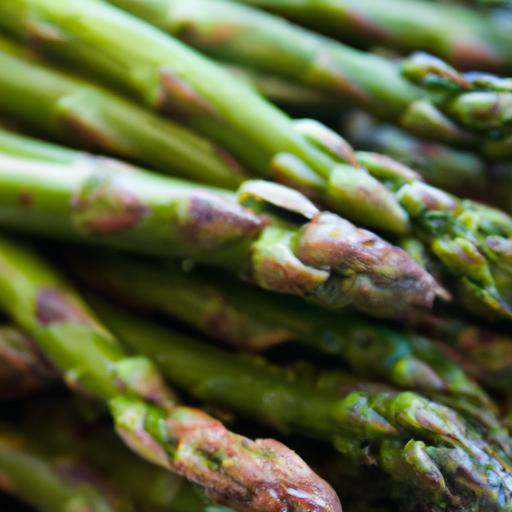

There’s something undeniably satisfying about crisp-tender asparagus, its vibrant green spears bursting with flavour and just the right hint of char. Yet, achieving that perfect stovetop cook-where each stalk is evenly tender, radiant, and delicious-can feel like a mystery reserved for seasoned chefs. Fear not: mastering asparagus on the stovetop is both an art and a science, and with the right technique, anyone can unlock its full potential. In this article, we’ll reveal the stovetop secrets to cook asparagus perfectly every time, transforming this humble vegetable into the star of your plate. Whether you’re whipping up a speedy weeknight side or impressing guests with gourmet flair, these tips will elevate your asparagus game to vibrant, mouthwatering heights.
Stovetop Secrets guide you through the art of transforming fresh asparagus into a vibrant and crisp delight that bursts with flavor in every bite. Whether you’re a seasoned chef or a home cook, mastering these simple yet essential techniques unlocks the full potential of asparagus-celebrated for its delicate sweetness and satisfying snap.
Prep and Cook Time
- Readiness: 10 minutes
- Blanching: 3 minutes
- Sautéing: 5-7 minutes
- total Time: 20 minutes
Yield
Serves 4 as a side dish
Difficulty Level
Easy to Medium – Perfect for cooks seeking to elevate everyday vegetables to stunning, restaurant-level quality.
Ingredients
- 1 lb fresh asparagus spears, firm and bright green
- 1 tablespoon olive oil or melted unsalted butter
- Salt (preferably flaky sea salt) to taste
- Freshly ground black pepper to taste
- 1 lemon, zested and juiced
- 2 cloves garlic, thinly sliced (optional)
- ice water for blanching
- Optional garnish: toasted almonds, grated Parmesan, or chili flakes
Instructions
- Select and prepare your asparagus: Choose spears that are straight, firm, and a vibrant emerald green with tightly closed tips. snap off the woody ends gently-they naturally break at the perfect point.
- Blanching technique: Bring a large pot of salted water to a rolling boil. Add the asparagus and cook for 2-3 minutes until just tender but still crisp.Immediately transfer spears to a bowl of ice water to halt cooking and preserve the bright color and crunch.
- Drain and dry thoroughly: Use a clean kitchen towel or paper towels to pat the asparagus dry.Excess water will cause oil splatter during sautéing.
- Sautéing to perfection: Heat olive oil or butter in a wide skillet over medium-high heat.Add sliced garlic (if using) and sauté 30 seconds until fragrant. Add asparagus in a single layer and cook, turning occasionally, until spears develop a light golden sear, about 5-7 minutes. Season with salt and pepper midway.
- Finish with bright accents: Remove from heat, zest lemon over asparagus and drizzle with fresh lemon juice. Toss gently to coat evenly. Adjust seasoning to taste and add optional garnishes for enhanced texture and flavor contrast.
- Serve immediately to savor the lively flavors and crisp texture that stovetop secrets reveal in this timeless vegetable.
Tips for Success
- Choosing asparagus: Thinner spears cook faster and are tender, while thicker stalks benefit from slightly longer blanching and sauté times.
- Blanching perks: This step is key to retaining the vegetable’s rich green hue and balancing tenderness with crunch-don’t skip it!
- Oil alternatives: Use avocado oil for higher smoke point or a dab of browned butter to introduce nutty complexity.
- Make ahead: Blanched asparagus can be refrigerated, dried thoroughly, and sautéed fresh when ready to serve.
- Flavor variations: Experiment with herbs like thyme or tarragon during sautéing, or finish with a splash of balsamic vinegar for sweet tanginess.
Serving Suggestions
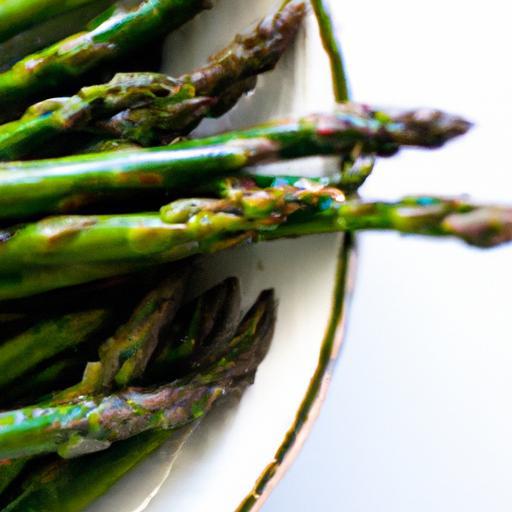
This versatile asparagus dish pairs beautifully with grilled meats, roasted chicken, or creamy risottos.For an elegant touch, garnish with toasted almond slivers and a sprinkle of freshly grated Parmesan cheese. Serve on a bright white plate to highlight the vegetable’s vivid green, finished with a wedge of lemon for guests to squeeze as desired. A drizzle of high-quality extra virgin olive oil just before serving adds an inviting sheen and a luscious mouthfeel.

| Nutrient | Per Serving |
|---|---|
| Calories | 75 kcal |
| Protein | 3 g |
| Carbohydrates | 5 g |
| Fat | 5 g |
To further enhance your kitchen prowess, explore our comprehensive guide on stovetop vegetables. For scientific insights on vegetable blanching, visit ScienceDirect: Blanching in Food Science.
Q&A
Q&A: Stovetop Secrets – Perfectly cook Asparagus Every Time
Q1: Why choose stovetop cooking for asparagus instead of roasting or steaming?
A1: Stovetop cooking offers unmatched control over texture and flavor. By sizzling asparagus right in the pan,you achieve a vibrant snap and a slightly charred,smoky edge that roasting might miss and steaming can’t deliver.Plus, it’s fast-ready in minutes!
Q2: What’s the ideal thickness of asparagus for stovetop cooking?
A2: Medium to thick stalks are your best friends here. Thin spears can cook too quickly and become mushy, while thicker stalks hold up well and develop a delightful crunch. If you have thinner asparagus, lower the heat and watch them closely.
Q3: How do I properly prep asparagus before hitting the stovetop?
A3: Start by snapping or trimming off the woody ends-usually the bottom inch or two-that can be tough and fibrous. Then, rinse under cold water and pat dry to ensure good searing. For extra flavor, consider a quick toss in olive oil and a sprinkle of salt.
Q4: What type of pan should I use to cook asparagus on the stovetop?
A4: A heavy-bottomed skillet, like cast iron or stainless steel, is perfect. It heats evenly and helps develop a gorgeous golden crust. Non-stick pans work too but might not give you that signature sear.
Q5: What heat level is best for stovetop asparagus?
A5: Medium-high heat is the sweet spot. It allows the asparagus to cook quickly and caramelize on the outside without steaming or burning. Be sure to preheat your pan well before adding the spears.
Q6: how long does stovetop asparagus usually take to cook?
A6: Usually 5 to 8 minutes, depending on thickness and heat. You want them tender-crisp-soft enough to bite through but still bright and firm.
Q7: Should I cover the pan while cooking asparagus?
A7: Generally,no. Leaving the pan uncovered allows moisture to evaporate, which helps achieve that slightly charred texture. If you want to soften them more, a brief lid-on finish can do the trick, but use sparingly.
Q8: Any secret ingredients to elevate stovetop asparagus?
A8: Absolutely! Fresh garlic or shallots tossed in early lend aromatic depth. A squeeze of lemon juice or a sprinkle of parmesan after cooking adds brightness and richness. for a smoky kick, a dash of smoked paprika or chili flakes works wonders.
Q9: How can I tell when asparagus is perfectly cooked?
A9: Look for vibrant green color, slight blistering or golden spots, and a tender-crisp bite. It should snap easily but not be limp or stringy.
Q10: What are common mistakes to avoid when cooking asparagus on the stovetop?
A10: Overcrowding the pan-this steams rather than sears. Cooking on too low heat-no caramelization. Ignoring the ends-woody parts ruin texture. And under-seasoning-simple salt and pepper are essential to bring out the natural flavor.
With these stovetop secrets in hand, your asparagus will be the star of the plate every time-crisp, vibrant, and bursting with flavor!
to sum up
Mastering the art of stovetop asparagus is more than just a cooking skill-it’s a gateway to elevating your everyday meals with vibrant color, crisp texture, and balanced flavor. With these stovetop secrets tucked into your culinary toolkit, you’ll transform humble asparagus into a star side dish that’s perfectly cooked every time.So next time you hear that gentle sizzle, know it’s the sound of simplicity meeting deliciousness, inviting you to savor each bite with confidence and flair. happy cooking!