
ThereS something undeniably enchanting about a rainbow cake-the moment you slice into its vibrant layers,a spectrum of colors unfolds like a whimsical secret waiting to be discovered. But beyond its playful appearance lies a fascinating blend of science, artistry, and a dash of culinary magic. In this article, we’ll peel back the layers-quite literally-to explore how bakers create these colorful confections, the techniques behind their striking hues, and the little surprises that make rainbow cakes a feast not just for the palate, but for the eyes and imagination as well. Get ready to dive into the vibrant world where chemistry meets creativity, and every bite tells a story in color.
The Magic behind Rainbow Cakes: Colorful Layers Explained
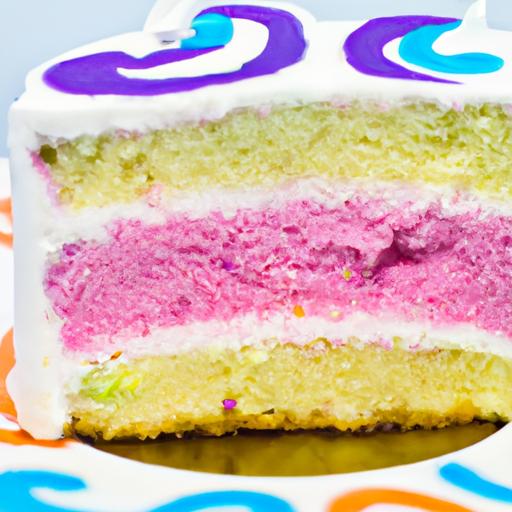
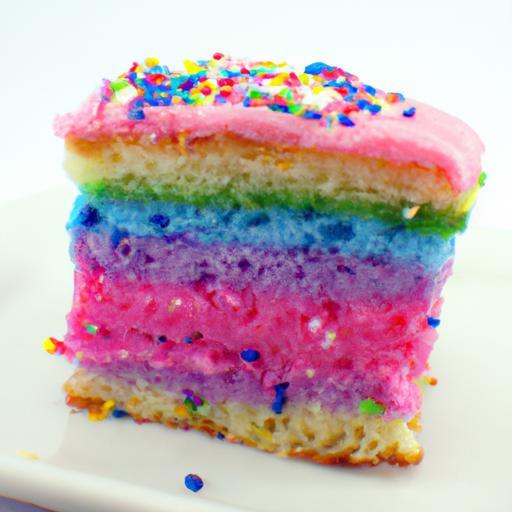
The Magic Behind Rainbow Cakes: Colorful Layers Explained begins with understanding how to achieve those vibrantly dazzling layers that make the cake truly unforgettable. each slice is a burst of color and flavour, inviting both the eyes and taste buds on a whimsical journey. This cake’s charm lies not just in its rainbow hues but in the careful science and artistry behind creating perfectly balanced, evenly tinted layers that stay crisp and radiant after baking. Whether you’re a seasoned baker or a curious home cook, mastering these techniques will empower you to bake a stunning showstopper that captivates every festivity.
Prep and Cook Time
- Readiness Time: 30 minutes
- Cook Time: 25 minutes per cake layer
- Total Time: Approximately 3 hours (including cooling and decorating)
Yield
serves 12-16 slices
Difficulty Level
Medium – Requires attention to detail but perfectly achievable with clear steps
Ingredients
- 2 ½ cups all-purpose flour, sifted
- 2 ½ tsp baking powder
- ½ tsp salt
- 1 cup unsalted butter, softened to room temperature
- 2 cups granulated sugar
- 4 large eggs, at room temperature
- 1 tbsp pure vanilla extract
- 1 cup whole milk, room temperature
- Gel food coloring in rainbow hues (red, orange, yellow, green, blue, purple)
- Buttercream frosting (recipe linked below)
instructions
- Preheat your oven to 350°F (175°C). Butter and lightly flour six 8-inch round cake pans or line with parchment paper for easy release.
- Whisk together the sifted flour, baking powder, and salt in a medium bowl. Set aside.
- Cream the butter and sugar in a large mixing bowl using an electric mixer on medium speed until fluffy and pale, about 3-4 minutes. This aeration is key to light, tender layers with vibrant color clarity.
- Beat the eggs in one at a time, mixing well after each addition, followed by the vanilla extract.
- Alternate adding the dry ingredients and milk in three parts, beginning and ending with the flour mixture. Mix until just combined to avoid overdeveloping gluten, which dulls the cake’s texture and color.
- Divide the batter evenly into six separate bowls, one for each color layer. Use a kitchen scale for precision-the evenness makes your rainbow truly remarkable.
- Add gel food coloring to each bowl, stirring gently with a rubber spatula to fully incorporate without overmixing. Remember, gel colors achieve brighter, more vivid hues than liquid dyes.
- Pour each colored batter into its prepared pan. Tap pans gently on the counter to release any air bubbles for smooth layers.
- Bake one or two pans at a time for 22-25 minutes, rotating halfway thru. Insert a toothpick to check doneness; it should come out clean but moist.
- Cool the cakes completely in pans on wire racks for 10 minutes, then turn out to cool fully. Warm cakes distort and cause colors to bleed during stacking.
- Level each cake layer gently with a serrated knife for uniform height, improving the visual impact when stacked.
- Assemble your cake by spreading a thin, even layer of buttercream between each color, stacking carefully to preserve the sharp contrasts without blending.
- Cover the entire cake with a crumb coat, chill for 20 minutes, then frost smoothly for a polished finish.
Chef’s Notes: Tips for Success
- Use gel food coloring exclusively for intense, non-watery colors that don’t dilute your batter.
- Weighing batter portions ensures each color layer is the same thickness, crucial for a professional rainbow effect.
- Bake layers on the middle rack, avoiding the top or bottom ovens spots that cause uneven rising or browning.
- For extra stability, chill layers before stacking, especially in warm kitchens or humid environments.
- Storing assembled cakes in an airtight container in the fridge helps maintain moisture without color run.
- Try using color theory principles to experiment creatively with your palette beyond the classic rainbow spectrum.
- For a dairy-free version, substitute butter with a plant-based spread and use almond or oat milk.
serving Suggestions
Present your rainbow cake on a simple white or pastel cake stand to let the vivid layers do the talking. Garnish the top with fresh berries or edible flowers for bursts of natural color that complement the bright tiers.For a whimsical twist, sprinkle subtle gold leaf flakes or tiny silver dragées atop to catch the light. Serve each slice with a dollop of lightly whipped cream or a scoop of vanilla bean ice cream for an indulgent restaurant-style finish.

| Nutrient | Per Serving (1 slice) |
|---|---|
| Calories | 320 kcal |
| Protein | 4g |
| Carbohydrates | 45g |
| Fat | 12g |
For those inspired to explore further,check out our Ultimate Buttercream Frosting Recipe to complete your rainbow cake with the perfect icing texture and taste.
Q&A
Q&A: The Magic Behind Rainbow Cakes: Colorful Layers Explained
Q1: What exactly is a rainbow cake?
A rainbow cake is a vibrant,multi-layered dessert featuring separate layers of cake in different colors of the rainbow-typically red,orange,yellow,green,blue,and purple. When sliced, the cake reveals a stunning spectrum of hues, making it as much a feast for the eyes as for the palate.Q2: How do bakers achieve such vivid, distinct layers?
The secret lies in dividing the cake batter evenly, then tinting each portion with food coloring-frequently enough gel or paste for the moast intense shades. These colored batters are baked layer by layer or stacked raw and baked together, ensuring each hue stays bright and separate.
Q3: Are the colors natural or artificial?
Both options exist! while most traditional rainbow cakes use artificial food dyes for vibrancy,there’s a growing trend toward natural alternatives like beet juice for red,turmeric for yellow,or spirulina for blue,catering to those seeking a more organic dessert experience.
Q4: Does coloring the batter affect the flavor?
Typically, the colors add no noticeable flavor-the dyes are tasteless. This allows the cake to shine purely through its classic vanilla or butter flavor, keeping the focus on the visual spectacle rather than altering the taste.
Q5: What kind of cake is best for a rainbow cake?
A vanilla or white sponge cake is the ideal canvas-its light in color and flavor, allowing the dyes to pop and the layers to remain distinct. Dense or chocolate cakes can dull the colors, so they’re less commonly used.
Q6: How are the layers assembled to keep their shape and colors?
After baking, the layers are cooled and stacked with a thin coat of frosting or buttercream between them-this not only holds the layers together like a colorful sandwich but also prevents colors from bleeding into each other, preserving the cake’s clean, vivid stripes.
Q7: Why are rainbow cakes so popular?
Rainbow cakes tap into our love for whimsy and celebration. Their joyful colors evoke happiness and wonder, perfect for birthdays, pride events, or any occasion in need of a slice of magic. Plus, they turn the simple act of eating cake into a bright, unforgettable experience.
Q8: Can rainbow cakes be customized beyond the classic colors?
Absolutely! Bakers get creative with pastel versions, ombré gradients, or even incorporating metallic shimmer. Some experiment with unexpected flavor pairings in each layer, turning the cake into a multisensory journey of color and taste.
Q9: What’s the biggest challenge in making a rainbow cake?
Maintaining consistency across layers-both in thickness and baking time-can be tricky. Uneven layers can spoil the aesthetic, and overbaking can dull colors. Precision, patience, and a bit of magic are key to achieving that perfect rainbow balance.
Q10: Can I make a rainbow cake at home?
definitely! With a few quality food colorings,a basic vanilla cake recipe,and some careful layering,home bakers can create their own dazzling rainbow masterpiece. The reward? A slice of pure joy that looks as amazing as it tastes.
Closing Remarks
As the final slice reveals its vibrant spectrum, the magic behind rainbow cakes reminds us that baking is more than just mixing ingredients-it’s an art form where science, creativity, and a touch of wonder come together. each colorful layer tells a story of precise technique and playful experimentation, turning a simple cake into a joyful celebration of color and flavor. so next time you bite into a rainbow cake, savor not only its sweetness but also the fascinating blend of chemistry and craft that makes every slice a little masterpiece.