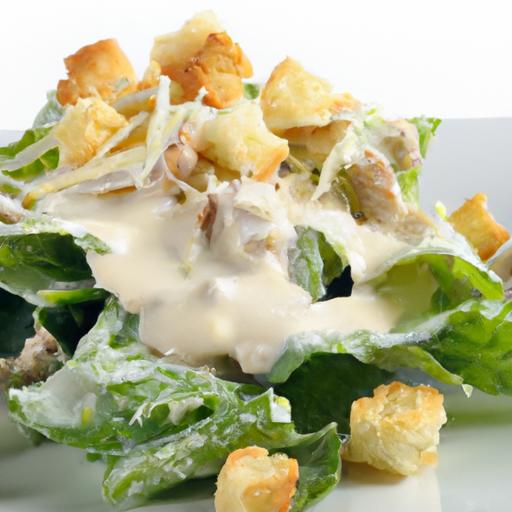

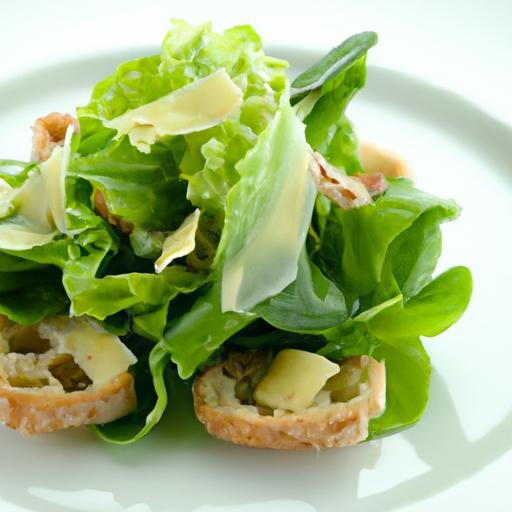
Beneath the vibrant crunch of romaine lettuce and the sprinkle of Parmesan cheese lies a culinary legend: the original Caesar salad dressing. More than just a simple sauce, this iconic blend of flavors has captivated taste buds for nearly a century, weaving a story of innovation, passion, and a dash of mystery. Join us as we peel back the layers and unlock the secrets behind the classic Caesar salad dressing-exploring its origins, key ingredients, and the timeless techniques that continue to inspire chefs and home cooks alike. Whether you’re a salad aficionado or a curious foodie, prepare to discover why this dressing remains a beloved staple on tables around the world.
Unlocking the secrets of the Original Caesar Salad Dressing takes us back to a small restaurant in Tijuana, Mexico, where restaurateur Caesar Cardini first crafted this iconic salad in 1924. What began as a spur-of-the-moment creation has evolved into a beloved classic, adored worldwide for its bold, tangy, and umami-packed flavors.This dressing’s magic lies not onyl in its ingredients but also in the balance and technique, which transforms simple components into a vibrant symphony of taste.
Prep and Cook Time
- Preparation: 10 minutes
- Cook Time: 2 minutes (for emulsification and warming)
Yield
Approximately 1 cup, enough to dress 4 classic Caesar salads generously.
Difficulty Level
Easy – perfect for home cooks seeking authentic restaurant-quality results.
Key ingredients That Define Authentic Caesar Flavor
- 2 large egg yolks (pasteurized if preferred for safety)
- 2 cloves fresh garlic, finely minced or grated
- 4 anchovy fillets, finely chopped (the essence of umami)
- 2 tablespoons freshly squeezed lemon juice – brightness and acidity
- 1 teaspoon Dijon mustard to help emulsify and add subtle spice
- 3/4 cup mild olive oil (extra virgin for flavor, but mild to avoid bitterness)
- 1/2 cup finely grated Parmigiano-Reggiano cheese – salty, nutty character
- Freshly ground black pepper, to taste
- A pinch of sea salt, if needed (remember the anchovies and cheese add salt)
Step by Step Guide to crafting the Perfect Dressing at Home
- Prepare your mise en place: finely mince the garlic and anchovies. Set all ingredients within reach for smooth assembly.
- In a medium bowl,whisk the egg yolks until smooth and slightly frothy.
- Add minced garlic and anchovies, then whisk to combine until the mixture is uniform and fragrant.
- Whisk in the lemon juice and Dijon mustard, which will help create a stable emulsion.
- Begin adding the olive oil slowly,drop by drop at first, whisking vigorously to emulsify.As it thickens, increase to a slow steady stream, ensuring the dressing stays creamy and glossy.
- Once all the oil is incorporated, whisk in the grated Parmigiano-Reggiano cheese and freshly ground black pepper.
- Taste and adjust seasoning with salt (sparingly) and additional lemon juice or pepper as preferred.
- For a smoother texture, you may lightly warm the dressing over a double boiler, whisking constantly, just until slightly thickened but not cooked.
Expert Tips for Customizing and enhancing Your Caesar Salad Experience
- Use quality, fresh ingredients: A well-aged Parmigiano-Reggiano and high-grade olive oil make a world of difference.
- Anchovy paste can substitute whole fillets, but finely chopped fillets give more nuanced texture.
- For a lighter twist, swap half the olive oil with avocado oil- it adds creaminess without overpowering.
- Prefer a dairy-free version? Nutritional yeast adds a cheesy flavor without the cheese, but the texture will vary.
- To transform your salad into a complete meal, consider adding grilled chicken breast, roasted chickpeas, or avocado slices.
- Make-ahead tip: Store your dressing in an airtight jar in the fridge for up to 3 days. Whisk or shake well before serving.
Serving Suggestions
Dress crisp, freshly chopped romaine lettuce just before serving to maintain crunch. Top with crunchy homemade croutons, freshly shaved Parmigiano-Reggiano, and a final crack of black pepper. For a stunning presentation, serve the salad in chilled bowls and garnish with lemon wedges and extra anchovies on the side.Pair with crusty artisan bread or a light vegetable antipasto for a balanced meal.

| Nutrient | Per 2 Tbsp Serving |
|---|---|
| Calories | 180 kcal |
| Protein | 3 g |
| Carbohydrates | 1 g |
| Fat | 18 g |
For more inspiration on salads and dressings, explore our Fresh and Flavorful Green Salads collection.To deepen your understanding of mediterranean flavors,visit Serious Eats’ Caesar Salad History for a well-researched background.
Q&A
Unlocking the Secrets of the Original Caesar Salad Dressing: Q&A
Q1: What makes the original Caesar salad dressing so iconic?
A1: The original Caesar salad dressing is a masterful balance of bold flavors-creamy, tangy, savory, and slightly tangy all at once. It’s the combination of simple yet distinct ingredients that create a unique taste experience. The magic lies not just in the ingredients but in how thay are carefully emulsified to achieve that perfect silky texture that clings to crisp romaine leaves.
Q2: who invented the Caesar salad dressing, and where did it originate?
A2: The original Caesar salad was created by Caesar Cardini, an italian-American restaurateur, in Tijuana, Mexico, during the 1920s. Legend has it that when faced with a shortage of ingredients in his kitchen, Cardini improvised with what he had on hand-and the result was a culinary classic that has stood the test of time.
Q3: What key ingredients define the classic Caesar dressing?
A3: The essence of the dressing comes from fresh garlic, creamy egg yolks, tangy lemon juice, rich olive oil, salty anchovies, sharp Parmesan cheese, and a dash of Worcestershire sauce. Each component plays a role in building layers of flavor-from the umami depth of anchovies to the brightness of lemon,all balanced by the richness of egg yolks and cheese.Q4: Are anchovies essential in the original recipe?
A4: Yes, anchovies are a cornerstone of the original dressing, providing a subtle yet essential umami complexity. They don’t overpower but instead meld seamlessly into the dressing, elevating it beyond mere garlic and cheese.Their presence is a secret weapon that adds depth without fishiness.
Q5: How is the dressing traditionally prepared to achieve its creamy consistency?
A5: Traditionally, the dressing is made by whisking fresh egg yolks with garlic and Worcestershire sauce, then slowly drizzling in high-quality olive oil to create a smooth emulsion. Lemon juice and finely grated Parmesan cheese are added last to balance richness with acidity and umami. This slow incorporation ensures a luscious, creamy texture without heaviness.
Q6: Why are raw egg yolks used, and is there a safe way to enjoy the original recipe?
A6: raw egg yolks act as a natural emulsifier, giving the dressing its signature velvety texture. However, to enjoy the dressing safely, many chefs now use pasteurized eggs or gently cook the yolks using a double boiler technique to reduce any risk, while retaining that authentic creaminess.
Q7: Can the original Caesar dressing be recreated at home with pantry staples?
A7: Absolutely! While fresh ingredients yield the best results, most of the classic components like garlic, lemon, Parmesan, anchovies, Worcestershire sauce, and olive oil are common pantry items. With a little patience in emulsifying the dressing,home cooks can experience the authentic flavors of the original recipe right in their own kitchens.
Q8: What conventional accompaniments complete an authentic caesar salad?
A8: Crisp romaine lettuce and crunchy toasted croutons are essential to the original salad. The croutons are typically made from rustic bread,toasted with olive oil and garlic,providing a satisfying texture contrast that complements the creamy dressing and fresh greens.
Q9: How has the original Caesar dressing influenced modern culinary practices?
A9: The original Caesar dressing is a shining example of how simplicity and technique can transform humble ingredients into a beloved classic. Its perfect balance of flavors and creamy texture has inspired countless variations across the globe, influencing salad dressings, marinades, and even sauces in contemporary cuisine.
Q10: What is the enduring appeal of the Caesar salad and its dressing?
A10: The enduring appeal lies in its brilliant simplicity-a harmonious blend of bright acidity,rich umami,silky texture,and fresh crispness in each bite. it’s a timeless dish that continues to captivate palates, offering a taste experience that’s both comforting and refined. Unlocking its secrets is a flavorful journey into culinary history and mastery.
Closing Remarks
As we peel back the layers of history and flavor, the original Caesar salad dressing reveals itself not merely as a recipe, but as a story-a harmonious blend of simple ingredients elevated by passion and tradition. unlocking its secrets invites us to appreciate the delicate balance of tang, creaminess, and umami that has enchanted palates for generations.So next time you toss a Caesar salad, remember: you’re not just savoring a dressing, you’re tasting a timeless culinary masterpiece crafted with care and creativity.