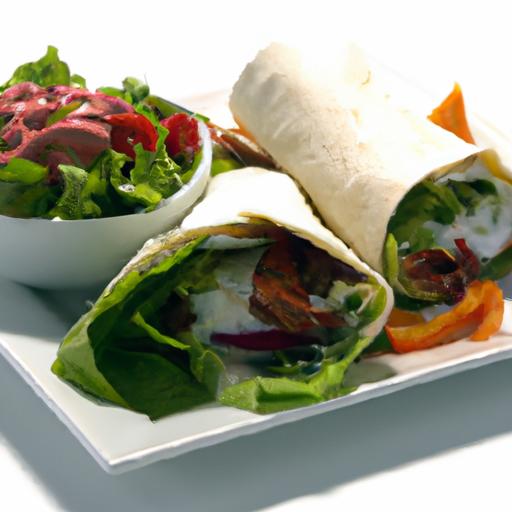

Step into the vibrant world of Mediterranean cuisine, where every bite tells a story of sun-soaked shores and ancient traditions. Among the region’s culinary treasures, Greek wraps stand out as a flavorful fusion of fresh ingredients and bold flavors, wrapped in warm, tender flatbread. From the zesty tang of tzatziki to the savory embrace of grilled meats and crisp veggies, unwrapping a Greek wrap is like embarking on a flavorful journey through the heart of Greece itself. Join us as we explore the origins, ingredients, and cultural significance of these mouthwatering pockets of Mediterranean magic-each one a portable feast bridging history and taste in the most delicious way.
Unwrapping Greek wraps is like stepping into a vibrant Mediterranean marketplace, where each bite bursts with history and flavor.Rooted deeply in Greek culinary tradition, these wraps capture the essence of regional ingredients and time-honored techniques. From the sun-soaked islands to the mountainous mainland, every area adds its own signature fillings-be it spiced lamb from Thessaloniki or the tangy halloumi of the Aegean. Discovering these layers of flavor invites you to create an authentic experience in your own kitchen, elevating simple ingredients into a festivity of taste.
prep and Cook time
- Preparation: 20 minutes
- Cooking: 15 minutes
- Total Time: 35 minutes
Yield
Serves 4 hearty Greek wraps
Difficulty Level
Medium – Perfect for home cooks eager to explore Mediterranean cuisine with approachable steps.
Ingredients
- 4 large pita breads or Greek flatbreads, warmed
- 1 lb (450g) boneless, skinless chicken thighs, cut into strips
- 3 tbsp extra virgin olive oil
- 2 tsp dried oregano
- 1 tsp smoked paprika
- 1 lemon, juiced and zested
- 3 garlic cloves, minced
- 1 cup Greek yogurt (full fat for creaminess)
- 1 cucumber, finely diced
- ½ red onion, thinly sliced
- 1 cup cherry tomatoes, halved
- ½ cup Kalamata olives, pitted and chopped
- ½ cup crumbled feta cheese
- Fresh parsley, chopped for garnish
- Salt and freshly ground black pepper, to taste
- Optional: 1 tsp ground cumin for a warm, earthy note
Instructions
- Marinate the chicken: In a mixing bowl, combine olive oil, dried oregano, smoked paprika, lemon zest and juice, minced garlic, salt, and pepper.Toss chicken strips in the marinade and let them rest for at least 15 minutes to absorb the flavors.
- Prepare the tzatziki-style sauce: In a separate bowl, stir Greek yogurt with diced cucumber, a pinch of salt, and a drizzle of lemon juice. Mix well and refrigerate until ready to serve.
- Cook the chicken: Heat a large skillet over medium-high heat. Add the marinated chicken and sauté until golden brown and cooked through, about 6-8 minutes, stirring occasionally to prevent sticking.
- Warm the wraps: While the chicken cooks, wrap pita breads in foil and heat them briefly in the oven at 350°F (175°C) for 5 minutes or toast on a dry skillet until pliable.
- Assemble the wraps: Lay each warmed pita flat. Spread a generous layer of the tzatziki sauce, than arrange cooked chicken strips, sliced red onion, halved cherry tomatoes, kalamata olives, and crumbled feta cheese.
- Garnish and roll: Sprinkle fresh parsley on top. Fold or roll the wraps tightly, securing with parchment paper or foil if desired, for easier handling.
- Serve promptly alongside your favorite Mediterranean sides.
Tips for Success
- Protein sways taste: While chicken is a staple, feel free to swap with grilled lamb meatballs (keftedes) or a medley of sautéed vegetables for a vegetarian take.
- Avoid sogginess: Spread the yogurt sauce just before adding moist veggies to keep the wraps crisp.
- Make ahead: Marinate chicken up to 4 hours in advance. The wraps can be prepped but hold assembling until serving to preserve freshness.
- Regional touch: For a northern Greek twist, add grilled eggplant slices or roasted red peppers.
- Flatbread varieties: Opt for thicker pita or thinner lavash breads depending on preference and availability to mimic authentic textures.
Serving Suggestions
Pair these wraps with classic Mediterranean sides such as homemade hummus or a vibrant tabbouleh salad for freshness. Drizzle extra olive oil on top and sprinkle crushed sumac or za’atar for authentic flair. A chilled glass of freshly squeezed lemonade or iced herbal tea complements the savory spices beautifully. Garnish with lemon wedges and extend a bowl of extra feta for guests who love bold, salty bursts.

| Nutrient | Amount per Serving |
|---|---|
| Calories | 480 kcal |
| Protein | 36 g |
| Carbohydrates | 38 g |
| Fat | 18 g |
For more authentic Mediterranean inspiration and tips, explore Fine Dining Lovers’ guide to Greek Cuisine.
Q&A
Q&A: Unwrapping Greek Wraps – A Tasty Tour of Mediterranean Flavors
Q1: What makes Greek wraps stand out among other Mediterranean dishes?
A1: Greek wraps are like edible stories, weaving together fresh ingredients, bold herbs, and vibrant textures all wrapped in soft pita bread. Unlike heavier meals, these wraps offer a perfect balance of zest and simplicity, capturing the essence of Mediterranean sunshine in every bite.
Q2: What are the key ingredients that define a traditional Greek wrap?
A2: The soul of a Greek wrap lies in its harmonious blend of tender grilled chicken or lamb,cool and creamy tzatziki sauce,ripe tomatoes,crisp cucumbers,red onions,and a sprinkle of fresh herbs like oregano and dill. Sometimes, tangy feta cheese makes an appearance, adding a briny kick that ties all the flavors together.
Q3: Can Greek wraps be enjoyed by vegetarians or vegans?
A3: Absolutely! The Mediterranean kitchen is a treasure trove of plant-based delights. For vegetarians and vegans,grilled vegetables like zucchini,eggplant,and bell peppers replace the meat,paired with hummus or a vegan tzatziki made from coconut or almond yogurt. Chickpeas or falafel balls add heartiness, making these wraps just as satisfying and flavorful.
Q4: how does tzatziki contribute to the flavor profile of a Greek wrap?
A4: Tzatziki is the cool whisper in the wrap’s symphony-its creamy texture and refreshing notes of cucumber, garlic, and dill perfectly counterbalance the warmth from grilled meats or spices. This sauce acts as the unifying element, enriching every bite with a burst of Mediterranean freshness.
Q5: What’s the best way to prepare the pita bread for a Greek wrap?
A5: Soft,warm pita is the perfect vessel for Greek wrap fillings. Lightly toasting or gently warming the pita helps it stay pliable and enhances its subtle nutty flavor. This way, it holds all the juicy goodness inside without tearing, keeping each wrap neat and ready for that first delicious bite.Q6: Are there regional variations of Greek wraps across the Mediterranean?
A6: Indeed! While the core concept remains the same, each region adds its own flair. In coastal areas, wraps might include fresh seafood and a splash of lemon. Inland, you might find more emphasis on grilled lamb or herb-heavy marinades. Whether wrapped in pita or flatbread,these regional touches celebrate the diverse coastal and mountain landscapes of Greece and its neighbors.
Q7: How can someone recreate an authentic Greek wrap experience at home?
A7: Start with fresh, quality ingredients-think ripe tomatoes, crisp cucumbers, and fragrant herbs from a local market. Marinate your choice of protein in olive oil, lemon juice, garlic, and oregano for an hour or two to soak up those signature flavors. Don’t rush the tzatziki-it’s worth making fresh to capture its brightness. assemble your wrap with care, layering textures and tastes, and enjoy an aromatic, satisfying taste of the Mediterranean without leaving your kitchen.
Q8: Why are Greek wraps considered a healthy meal option?
A8: Greek wraps embody the Mediterranean diet’s emphasis on fresh vegetables, lean proteins, and heart-healthy olive oil. They’re packed with nutrients like antioxidants, vitamins, and good fats, making them not only delicious but also a wholesome choice that fuels and delights the body.Q9: What spices and herbs are essential for capturing the true essence of Greek wraps?
A9: Oregano, thyme, dill, and mint are the herbal heroes, infusing the wraps with authentic earthy and aromatic notes. A dash of smoked paprika or ground cumin can add subtle warmth. The magic lies in balancing these flavors without overpowering the fresh ingredients-keeping the wrap vibrant and clean-tasting.
Q10: How do Greek wraps reflect the culture and lifestyle of the Mediterranean region?
A10: Greek wraps symbolize the Mediterranean’s love for communal dining, fresh produce, and simple, flavorful food. They’re emblematic of a lifestyle that embraces balance-between bold and subtle,meat and vegetables,fast and leisurely eating. Sharing a Greek wrap is more than a meal; it’s a cultural experience steeped in tradition, warmth, and conviviality.
Wrapping Up
As our flavorful journey through the world of Greek wraps draws to a close, it’s clear that these humble handheld delights offer far more than just a rapid meal-they are a vibrant tapestry of Mediterranean culture, history, and tradition wrapped in every bite. From the tender, marinated meats to the fresh, zesty bursts of tzatziki and crisp vegetables, Greek wraps invite us to savor a rich heritage while enjoying a convenient, delicious experience.Whether you’re a seasoned foodie or a curious newcomer, unwrapping these Mediterranean treasures promises a tasty adventure that’s as nourishing for the soul as it is indeed for the palate. So next time you crave a meal with a story, let a Greek wrap transport you to sun-drenched shores and festive tables, one flavorful fold at a time.