
In the bustling rhythm of modern life, finding a snack that’s both nourishing and satisfying can feel like an elusive quest. Enter the humble duo of hummus and fresh veggies-a vibrant, colorful pairing that’s as delightful to the palate as it is beneficial to the body. More than just a tasty snack, this combination is a powerhouse of nutrients, offering a perfect balance of creamy, protein-packed goodness and crisp, vitamin-rich crunch. In this article, we’ll unwrap the science and secrets behind why wrapping up your wellness with hummus and veggies isn’t just a trend, but a deliciously smart choice for fueling your day and boosting your health.
Wrap Up Wellness: The Power of Hummus and Veggies comes alive when you discover the brilliant harmony between creamy, protein-packed hummus and the crisp, vibrant freshness of garden-picked vegetables. This timeless combination not only delights the palate with contrasting textures and flavors but also unlocks a world of nutritional synergy. Rooted in Mediterranean tradition and backed by modern science, blending hummus with fresh vegetables enhances nutrient absorption, balances blood sugar, and fuels your body with antioxidants and fiber-transforming simple snacks and meals into wholesome powerhouses.
Prep and Cook Time
- Preparation: 15 minutes
- Cook Time: 0 minutes (no cooking required)
- Total Time: 15 minutes
Yield
serves 4 as a vibrant snack or light meal
Difficulty Level
Easy – perfect for beginner cooks and busy days
Ingredients
- 1 cup classic chickpea hummus (smooth or slightly chunky, your choice)
- 1 large cucumber, sliced into crisp rounds
- 2 medium carrots, peeled and cut into matchsticks
- 1 medium bell pepper (red or yellow), sliced thinly
- 1 cup cherry tomatoes, halved
- 1 cup snap peas, trimmed
- Fresh parsley or cilantro, finely chopped for garnish
- 1 tablespoon extra virgin olive oil (optional, for drizzling)
- Fresh lemon wedges, to serve
- Pita bread or whole-grain crackers (optional, for dipping)
Instructions
- Prepare the vegetables: Wash all fresh vegetables thoroughly under cold water.Pat dry with paper towels to ensure crispness.
- Slice and arrange: Slice the cucumber and bell pepper thinly for easy dipping. Peel carrots and cut into thin matchsticks for bite-sized ease. Halve the cherry tomatoes for bursts of juicy freshness. Trim snap peas, keeping their natural crunch intact.
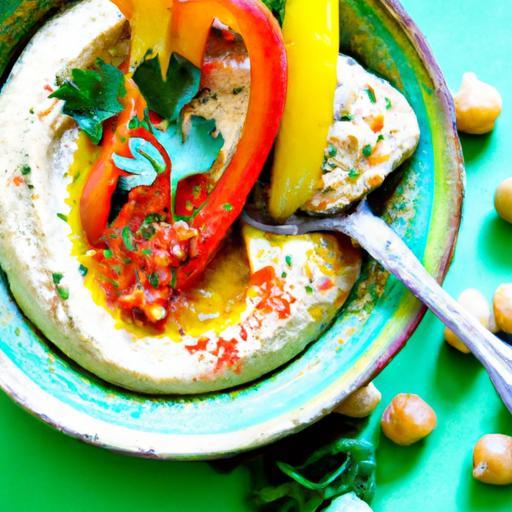
- Plate with flair: Spread the hummus evenly in a wide, shallow bowl or plate, creating a gentle swirl with the back of a spoon to invite dipping.
- Organize the vegetables: Arrange the sliced and cut vegetables around the hummus in a vibrant,colorful display-think rainbow hues that make the dish come alive.
- Garnish: Sprinkle finely chopped parsley or cilantro over the hummus and drizzle with a little extra virgin olive oil to add richness and shine.
- Serve: Present the platter with fresh lemon wedges and optional pita bread or whole-grain crackers to complete this hungry-for-health spread.
Expert Tips for Selecting and Storing Fresh Produce and Quality Hummus
- Choose crisp, firm vegetables: Look for vibrant colors and avoid any limp or bruised spots. fresher produce offers better flavor and higher nutrient value.
- Store veggies properly: Keep carrots and snap peas in perforated plastic bags in the fridge’s crisper drawer to maintain moisture and crunch. Store bell peppers away from ethylene-producing fruits like bananas to prolong freshness.
- Pick quality hummus: Opt for hummus made with simple, natural ingredients-chickpeas, tahini, lemon juice, garlic, olive oil, and a pinch of salt-for maximum flavor and health benefits.
- Refrigerate hummus promptly: once opened, store hummus in an airtight container to preserve creaminess and prevent separation. Consume within a week for best taste and safety.
- Make your own: For the freshest taste and control over ingredients, blend cooked chickpeas, tahini, lemon juice, garlic, and olive oil in a food processor.Add water slowly for desired consistency and season to taste.
Creative Ways to Incorporate hummus and Veggies into Every Meal
- Breakfast boost: Spread hummus on whole-grain toast and top with sliced avocado, radishes, and arugula for a savory morning treat.
- Lunch wraps: Use large lettuce leaves or whole-wheat tortillas to wrap hummus, shredded carrots, cucumber ribbons, and fresh herbs for a quick, nutrient-packed wrap.
- Dinnertime delight: Serve grilled vegetables alongside generous dollops of hummus flavored with smoked paprika or roasted red pepper for layers of depth and comfort.
- Snack upgrade: Pair crunchy vegetable sticks with different hummus variations-roasted garlic, beetroot, or spicy chipotle-to keep snack time exciting and wholesome.
Chef’s Notes
- Customize flavors: Enhance your hummus with spices such as cumin, sumac, or za’atar, or stir in finely chopped roasted vegetables for interesting texture and taste.
- Keep veggies crunchy: For extra crispness, soak carrot and cucumber sticks in ice water for 10 minutes before serving, then drain and pat dry.
- Make-ahead magic: Prepare veggies in advance and store airtight in the fridge for up to 3 days. Hummus can also be made ahead and refrigerated for up to 5 days.
- Allergy-pleasant: Substitute tahini-free hummus if you have sesame allergies-use sunflower seed butter or Greek yogurt to maintain creaminess.
Serving Suggestions
Serve your hummus and fresh vegetables on a rustic wooden board or vibrant ceramic platter to amplify visual appeal. Garnish with a few pomegranate seeds or toasted pine nuts for bursts of color and crunch. Pair with a chilled glass of sparkling water infused with lemon and mint for a refreshing complement. This dish shines as an appetizer, side, or light lunch, inviting guests to scoop, dip, and savor wellness in every bite.
| Nutrition (per serving) | Amount |
|---|---|
| Calories | 210 kcal |
| Protein | 7 g |
| Carbohydrates | 20 g |
| Fiber | 6 g |
| Fat | 10 g |

For more wholesome inspiration, dive into our Healthy Lunch Ideas collection, and discover how to nourish your body deliciously everyday.
Learn about the rich health-promoting properties of chickpeas and olive oil from this detailed NIH study, highlighting Mediterranean diet benefits.
Q&A
Q&A: Wrap Up Wellness: The Power of Hummus and Veggies
Q1: What makes hummus and veggies such a powerhouse combination for wellness?
A1: Hummus, a creamy blend of chickpeas, tahini, olive oil, lemon, and garlic, is packed with plant-based protein, fiber, and healthy fats. When paired with vibrant vegetables-think crunchy carrots, bell peppers, cucumbers, and celery-the combo delivers a balanced snack bursting with vitamins, minerals, and antioxidants. Together, they nourish your body, fuel your energy, and keep you feeling satisfied longer.
Q2: How dose hummus support digestive health?
A2: Chickpeas, the star of hummus, are rich in dietary fiber, which promotes healthy digestion by feeding beneficial gut bacteria and aiding regular bowel movements. The fiber content in both hummus and fresh veggies works synergistically to maintain gut balance and reduce digestive discomfort.
Q3: Can hummus help with weight management?
A3: Absolutely! Thanks to its protein and fiber content, hummus encourages satiety-meaning you feel full and energized without overeating. veggies add volume and crunch with minimal calories,making this duo a smart snack for those mindful of their waistline while providing essential nutrients.
Q4: What are some creative ways to enjoy hummus beyond the classic veggie dip?
A4: Hummus is incredibly versatile! Try it as a spread on whole-grain wraps or sandwiches, a dollop atop baked sweet potatoes, or a creamy salad dressing when thinned with a splash of lemon juice or water. Mixing in roasted garlic, smoked paprika, or fresh herbs can add exciting twists to your hummus experience.Q5: Are there specific veggies that pair best with hummus for maximum nutritional benefit?
A5: While all veggies are splendid, colorful bell peppers, crunchy snap peas, and nutrient-dense leafy greens like kale or spinach truly elevate the nutrient profile. These choices provide an array of antioxidants, vitamins A and C, and minerals like potassium and magnesium, complementing hummus’s wholesome goodness.
Q6: How can incorporating hummus and veggies into your daily routine boost overall wellness?
A6: Regularly enjoying hummus and veggies helps stabilize blood sugar levels, supports heart health with healthy fats, and encourages a diverse, nutrient-rich diet.This simple habit can lead to improved energy, better digestion, and a stronger immune system, making wellness both delicious and accessible.
Q7: Is hummus suitable for different dietary preferences and restrictions?
A7: Yes! Hummus is naturally vegan, gluten-free, and free from common allergens like dairy and nuts (though check labels for added ingredients). Its plant-based nature makes it an excellent choice for many diets, from vegetarian to Mediterranean and beyond.
Q8: How does the texture and flavor of hummus enhance the veggie-eating experience?
A8: The creamy, slightly tangy, and savory profile of hummus transforms raw veggies from plain to indulgent.It adds moisture, rich flavor, and a satisfying mouthfeel that encourages people-kids and adults alike-to reach for more veggies, making healthy eating feel like a treat rather than a chore.
Q9: Can homemade hummus offer advantages over store-bought options?
A9: Homemade hummus lets you control the freshness, texture, and seasoning to suit your palate. You can adjust olive oil levels for heart-healthy fats, add superfoods like turmeric or roasted beets, and avoid preservatives or excess sodium frequently enough found in pre-packaged varieties. It’s wellness you craft yourself!
Q10: What’s one simple tip for someone just starting to embrace the hummus and veggie lifestyle?
A10: Start small-swap your usual afternoon snack with a handful of fresh veggie sticks and a tasty scoop of hummus. Experiment with different veggie varieties and hummus flavors until you discover your favorites. Over time, this easy swap can blossom into a nourishing habit that uplifts your mind and body every day.
In Summary
As we’ve explored, the humble pairing of hummus and fresh veggies is more than just a tasty snack-it’s a vibrant party of wellness wrapped up in every bite. This dynamic duo delivers a powerhouse of nutrients, flavors, and textures that nourish both body and soul.Whether your seeking a quick energy boost, a satisfying crunch, or a wholesome way to brighten your plate, embracing hummus and veggies invites a simple yet profound step toward healthier living. So next time you reach for a snack, remember: wellness isn’t elaborate-it’s delicious, colorful, and just a dip away.